





Honoring consent is an essential part of safe and respectful online interactions.
Most parents would agree that it's important to teach our kids about consent. However, we don’t always realize that teaching our kids good online behavior starts with us - sometimes even long before our kids get their own device and online life.
By setting the example of how to behave online and taking the lead in modeling healthy habits, we have already come far in ensuring the same for our kids.
These are some examples of how we can lead the way and model consent for our kids.

Sharing photos or information
Before posting or tagging someone in a photo or sharing personal details about them, check in with them first. This includes sharing photos of our kids online too. For example, asking, “Is it okay if I post this picture of us?” - and respecting if the answer is “no” - helps our kids understand that they and everyone else have the right to control their online image and privacy.
Communicating respectfully
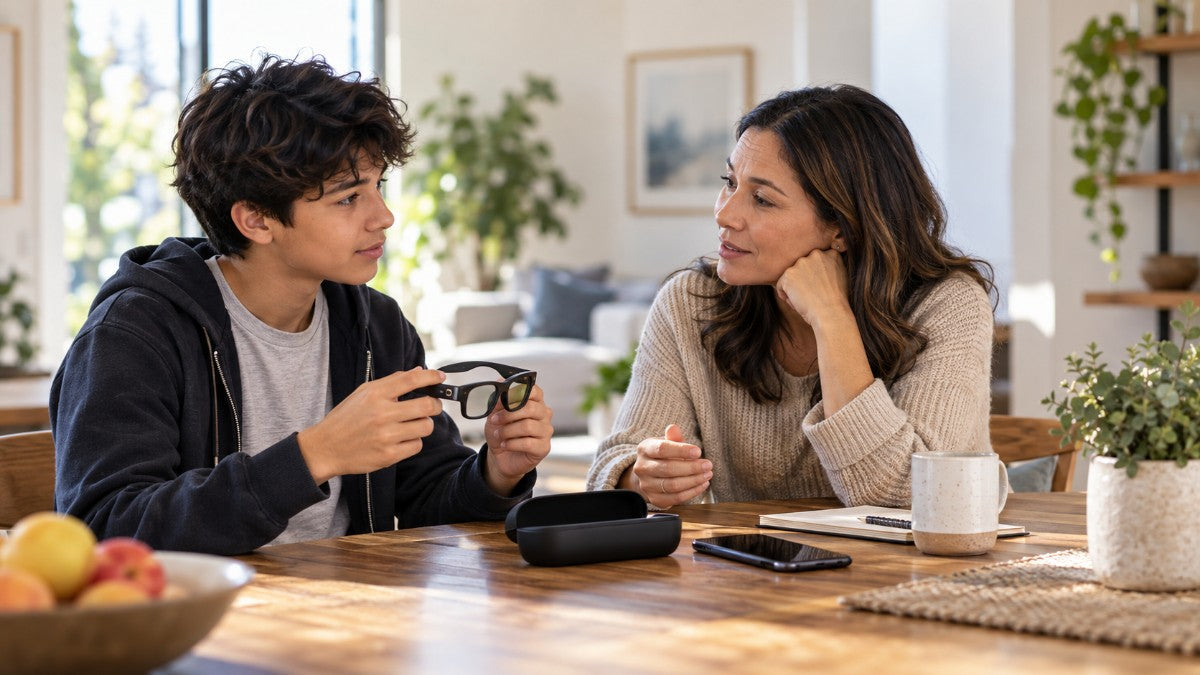
Consent applies to messaging too. Before sending frequent messages or making video calls, especially with new contacts, consider asking how they prefer to communicate and if the timing is right. We might say, “Is texting or calling more convenient for you?” or “Is it okay if we make it a video call?”. We can make it a habit to share the thought process around these decisions with our kids to make it natural for them to do the same in the future.
Using someone’s devices or accounts
If we need to use someone else’s phone, tablet, or account, we have to remember to always ask first. This also includes the belongings or accounts of our kids. Respecting these boundaries helps create a habit of asking before accessing anything personal. This way our kids feel respected and they will be used to the habit of respecting the privacy and personal belongings of others.

Location sharing
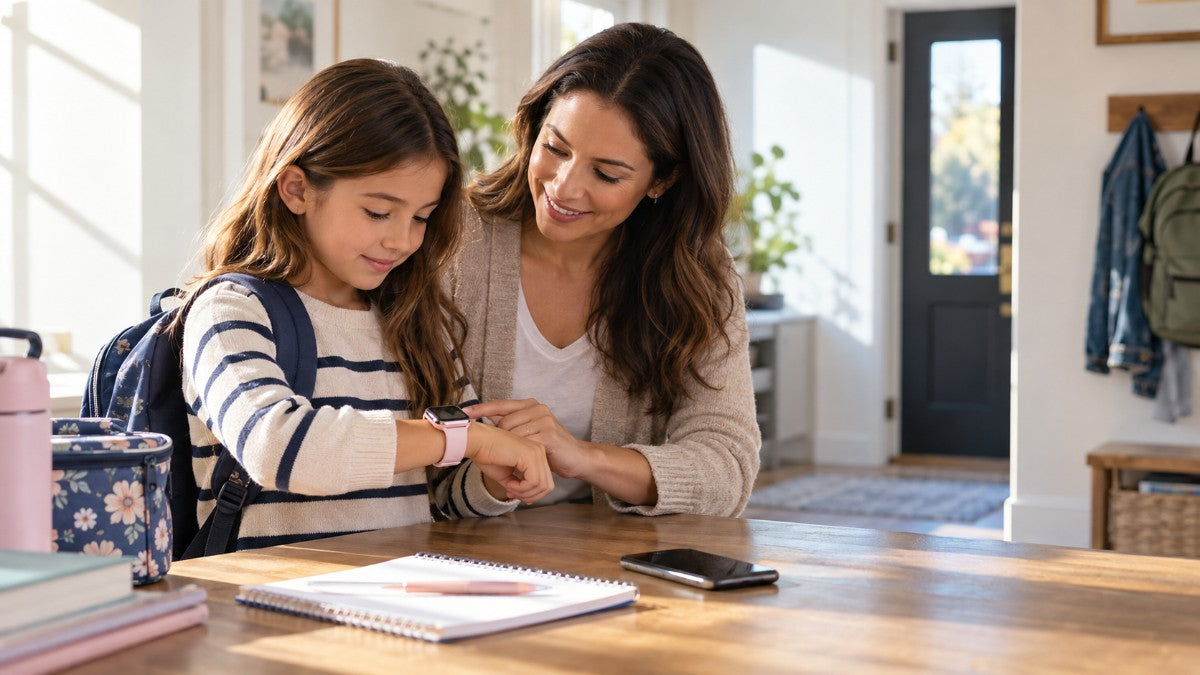
Sharing our location can be helpful but also sensitive. Before using a location-sharing feature with others, check if they’re comfortable with it - this includes our kids too. Everyone has different comfort levels with location data being shared. Some might find it incredibly intrusive and feel uncomfortable being monitored while others might feel safe using this feature.
If we feel a need to monitor our kids’ location we should at minimum let them know and make sure they understand why we find it necessary and what the purpose is. But ideally we only track someone's location with permission. Modeling this behavior for our kids will make it likely for them to do the same.
…
By practicing consent in these small but impactful ways, we create a more respectful, trusting digital environment. It shows we value each other’s boundaries and helps ensure everyone feels secure and comfortable online. Our kids are watching us closely, learning by our example. So the best way to teach them about consent and respectful behavior online is by setting an example and showing them.