

Children today are not just growing up with technology. They are growing up inside it. The images they see daily are no longer simple reflections of reality. Many are enhanced, reshaped, or entirely generated by artificial intelligence.
This creates a visual environment that feels real but often is not. For children, this distinction is not always clear. What they see repeatedly begins to feel normal, even when it is highly edited or unrealistic.
Over time, this exposure can influence how children see themselves. It can shape how they relate to others and how they define worth and belonging.
Children’s sense of identity is increasingly shaped by their digital development environment. Curated and AI-enhanced visuals become everyday reference points. This is not just about screens. It is about how children build meaning in a changing world.
Why Children Compare Themselves to AI Images
The Natural Instinct to Measure and Belong
Comparison is a normal part of childhood. Children look outward to understand who they are and where they fit.
In the past, this comparison was limited to:
- Friends and classmates
- Family members
- Occasional media exposure
Today, that circle has expanded significantly. Children are exposed to endless streams of polished images that present a narrow version of beauty and success.
These images are often not seen as exceptions. They are interpreted as expectations.
Over time, comparison becomes automatic. A child may not consciously think they are comparing. Instead, they may quietly feel that they are falling short.
How AI Quietly Redefines “Normal”
AI-edited images do more than enhance photos. They subtly reshape reality. Skin appears smoother, features more symmetrical, and imperfections disappear.
Because these edits are often invisible, children rarely question them.
Repetition strengthens this effect. The more children see these images, the more familiar they become. Familiarity can quickly turn into a new standard.
What draws children back to these images is often a powerful reward loop.
This loop is driven by:
- Curiosity about what comes next
- Subtle feelings of validation
- The desire to keep engaging
These factors work together quietly, without children being fully aware of their influence.

How Digital Spaces Shape What Children See
The Subtle Power of Repeated Exposure
Children are not just browsing randomly. What they see is shaped by patterns. Even small actions, like pausing on an image, can influence what appears next.
Much of what children encounter is guided by content algorithms that learn quickly. Over time, this repeated exposure can quietly influence their digital development and how they interpret what is normal or expected.
Over time, this can create:
- A narrow version of beauty
- Repeated exposure to similar faces and bodies
- A sense that “everyone looks like this”
For a child, this can feel like reality, even when it is not.
The Tension Between Privacy and Awareness
Parents often find themselves balancing two important needs:
- Protecting children from harmful exposure
- Respecting their growing independence
Too much control can lead to secrecy. Too little involvement can leave children navigating complex spaces alone.
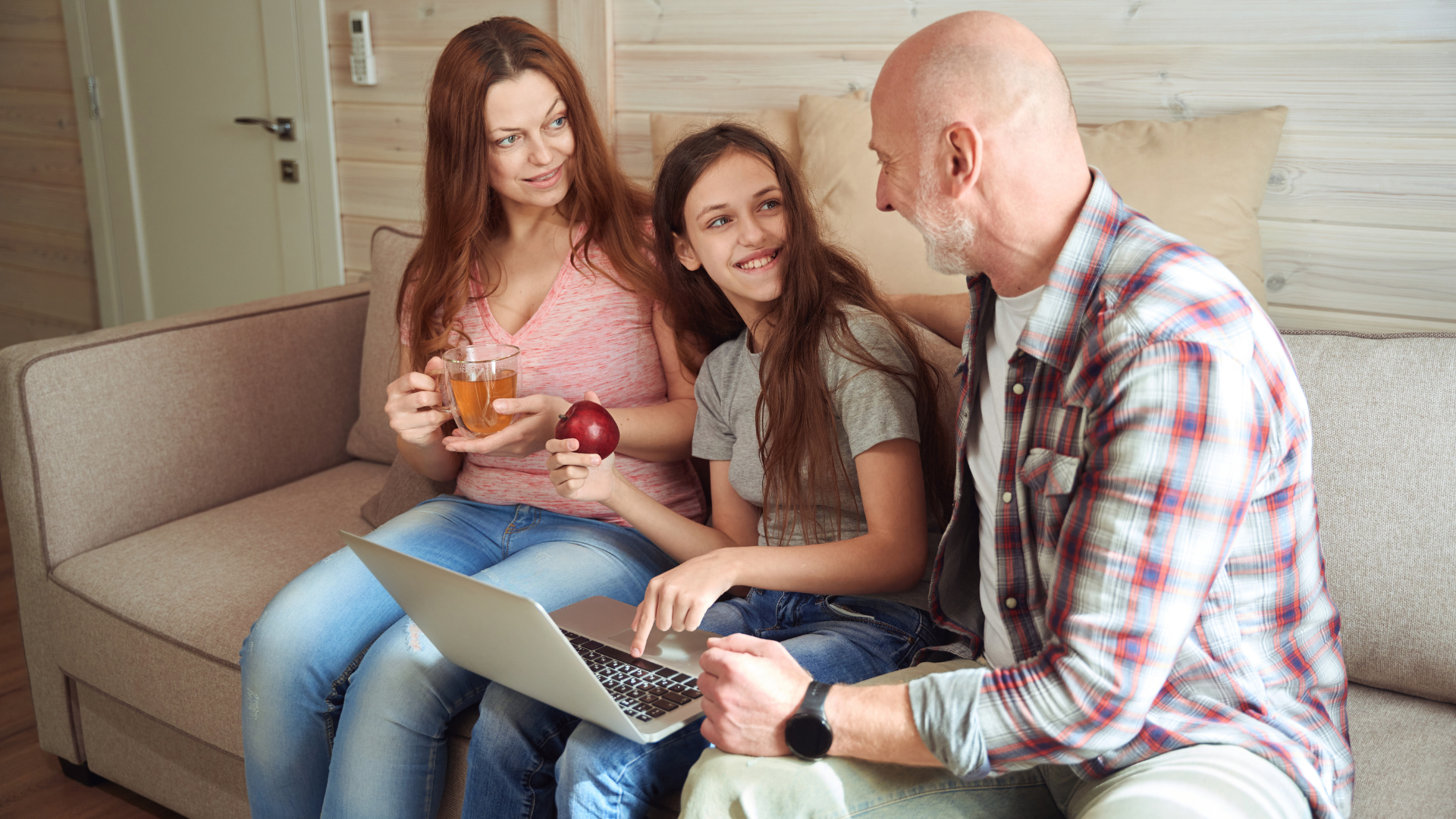
Many families move toward a middle ground that focuses on ongoing conversation. When children feel safe sharing what they see, parents gain insight in a more natural way.
|
More Control-Focused Approach |
More Connection-Focused Approach |
|
Emphasis on restriction |
Emphasis on conversation |
|
Decisions made by parents |
Understanding develops together |
|
Risk of hiding behavior |
Encourages openness |
|
Focus on immediate safety |
Focus on long-term awareness |
What Comparison Can Feel Like for Children
Shifts in Body Image and Self-Worth
When children compare themselves to AI-edited images, they are often comparing themselves to something that does not exist in real life.
Even without fully understanding this, they may begin to notice:
- Small details about their appearance
- Features they did not question before
- A growing sense of dissatisfaction
These changes are often subtle. They may show up as hesitation, self-consciousness, or discomfort with being seen.
Children may not express these feelings directly. Instead, they may simply behave differently.
Belonging, Acceptance, and Social Pressure
Comparison is not only about appearance. It is also about belonging.
Children often look at images and ask themselves:
- Do I fit in?
- Am I like others?
- What makes someone accepted?
When children begin to measure themselves against edited images, their sense of belonging can shift away from real friendships. Instead, they may focus more on:
- Appearance-based validation
- External approval
- Trying to match what they see
This can create distance from their authentic self and from others.
Recognizing Small but Meaningful Changes
What Parents Might Notice Over Time
The effects of comparison rarely appear suddenly. They tend to build gradually.
Some signs may include:
- Increased focus on appearance
- Avoiding photos or social situations
- Frequent comparisons to others
- Changes in mood or confidence
These are not problems to fix immediately. They are signals that something deeper may be unfolding.
Opening Conversations That Feel Natural
Making Space Without Pressure
Conversations about appearance and online experiences can feel sensitive. Children may not always have the words to explain what they feel.
Everyday moments often create the best opportunities. These might include:
- Sitting together casually
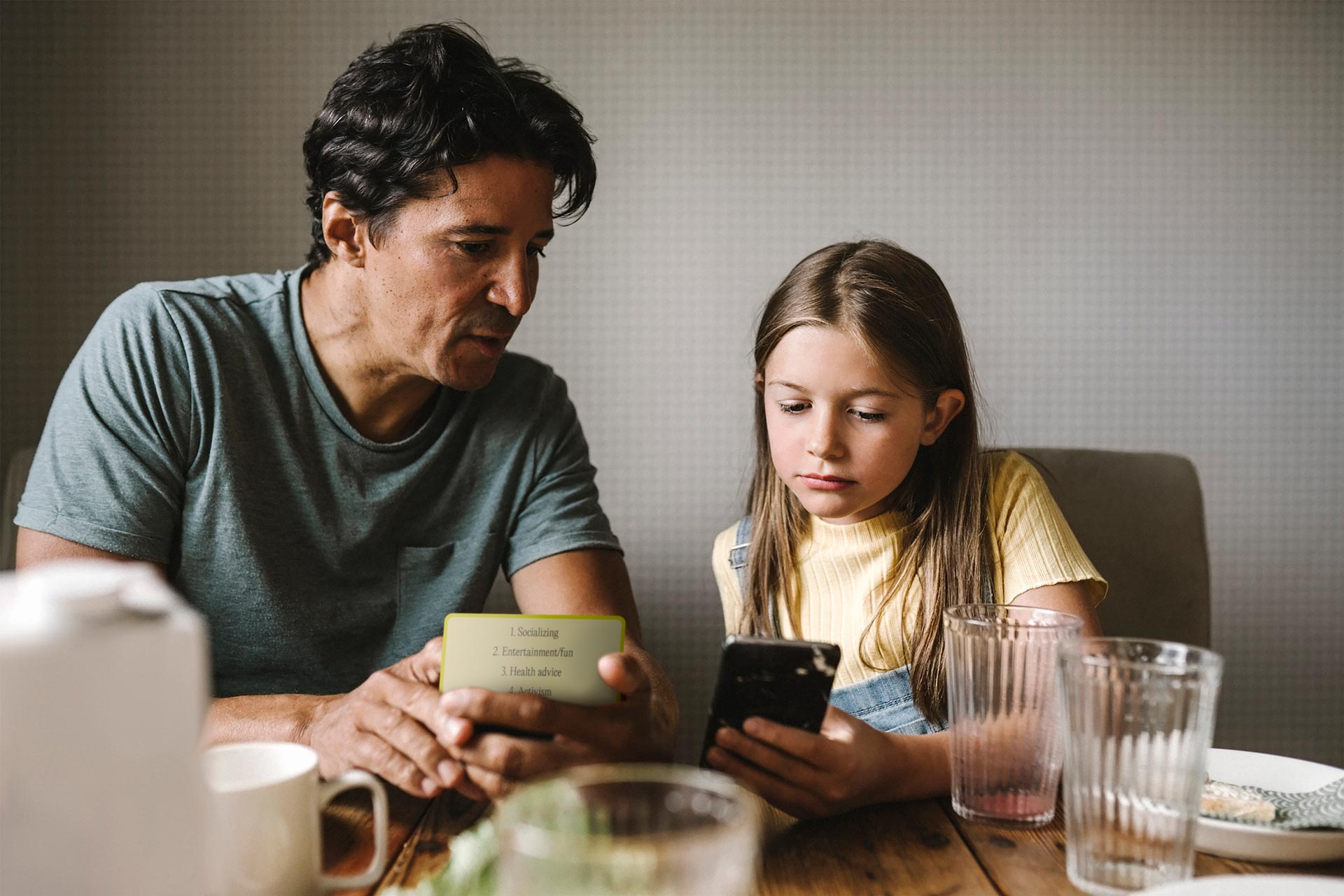
- Talking about something seen online
- Sharing observations without judgment
Instead of correcting, parents can stay curious. This helps children feel safe to open up.
Helping Children Make Sense of What They See
Children may know that images are edited. Still, that knowledge does not always change how those images feel.
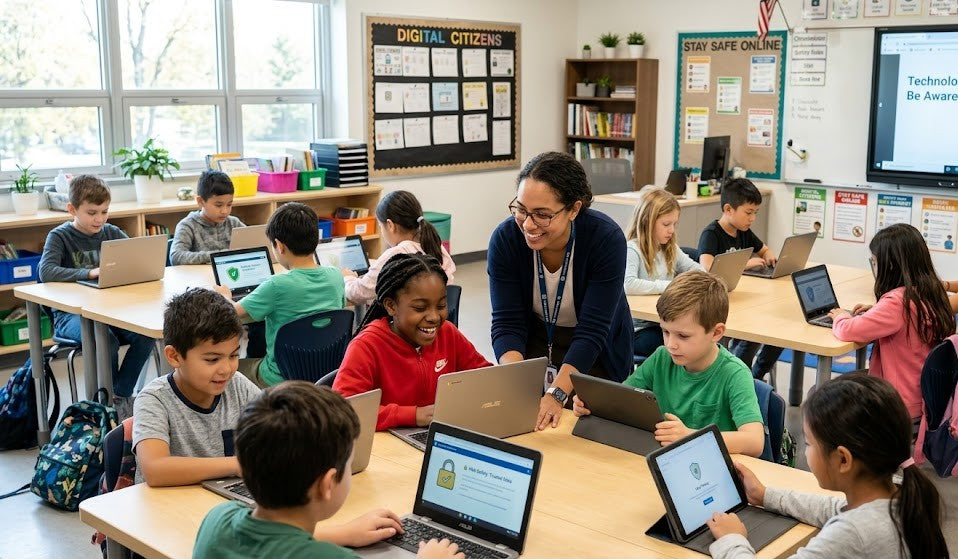
Developing early AI awareness can support understanding.
This can begin with simple reflections:
- How might this image have been created?
- What do you notice about it?
- Does it look natural or altered?
These questions encourage thinking rather than comparison.

Supporting Children Without Taking Over
What Tends to Help Over Time
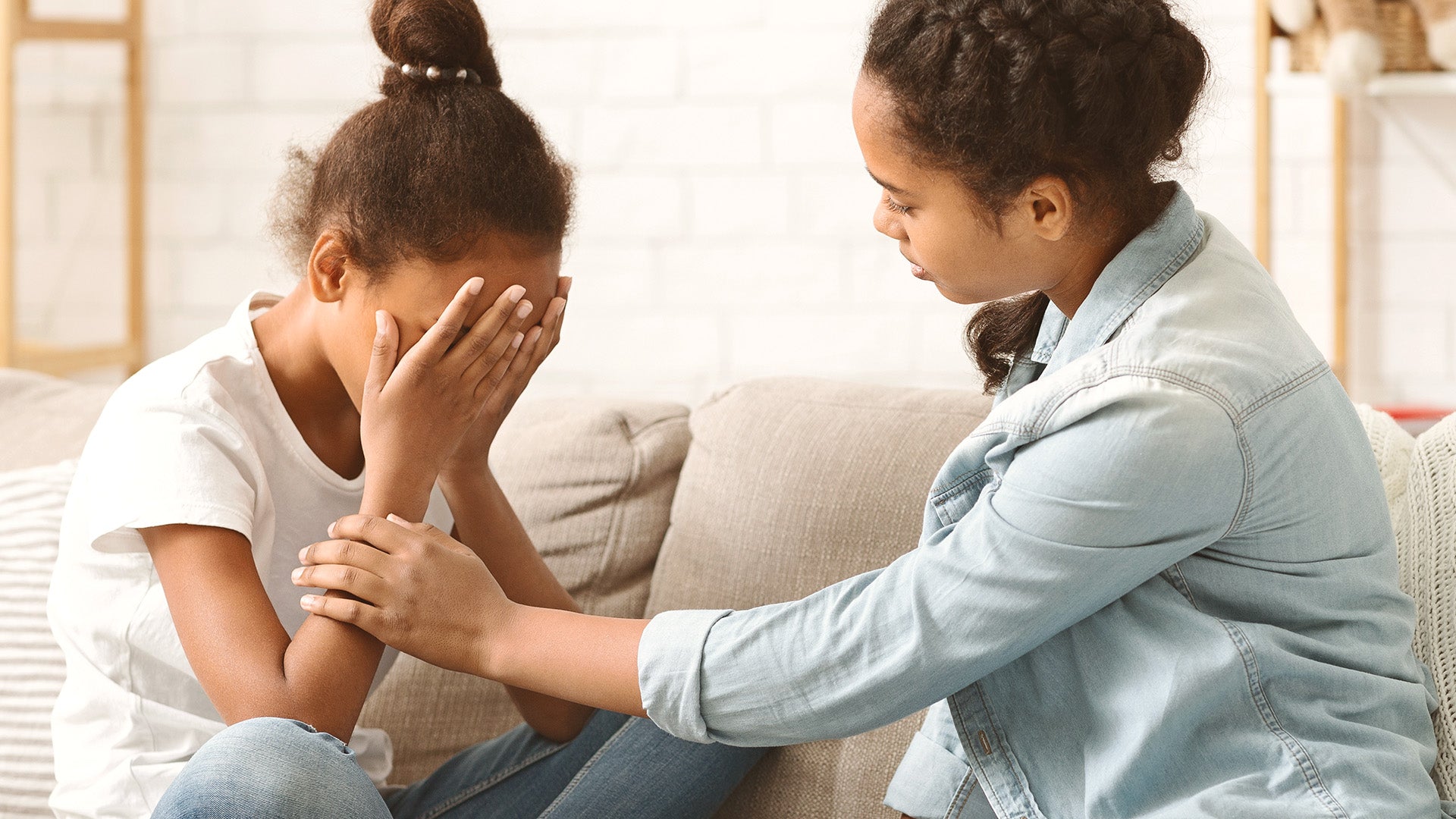
Children often respond best when they feel supported rather than controlled.
Helpful approaches often include:
- Listening without rushing to solve
- Acknowledging feelings
- Sharing observations gently
- Staying open to their perspective
These small actions create space for reflection and trust.
What Can Create Distance Instead
Some responses, even when well intentioned, can unintentionally create distance.
|
Responses That Create Distance |
Responses That Build Connection |
|
“Just ignore it” |
“That sounds like it mattered to you” |
|
“It’s not real” |
“It can still feel real” |
|
Immediate restrictions |
Ongoing conversations |
|
Quick reassurance |
Shared reflection |
The difference often lies in whether children feel heard.

Creating Balance Beyond the Screen
Experiences That Ground Identity
Children’s sense of self is shaped by more than what they see online.
Experiences outside the digital world can provide:
- A sense of competence
- Opportunities for real connection
- Confidence not based on appearance
These experiences help balance the influence of online comparison.
Keeping Conversations Part of Everyday Life
Conversations do not need to feel structured or intentional to be meaningful. They often unfold in small, ordinary moments such as during a car ride, while cooking together, or in passing comments about something seen online.
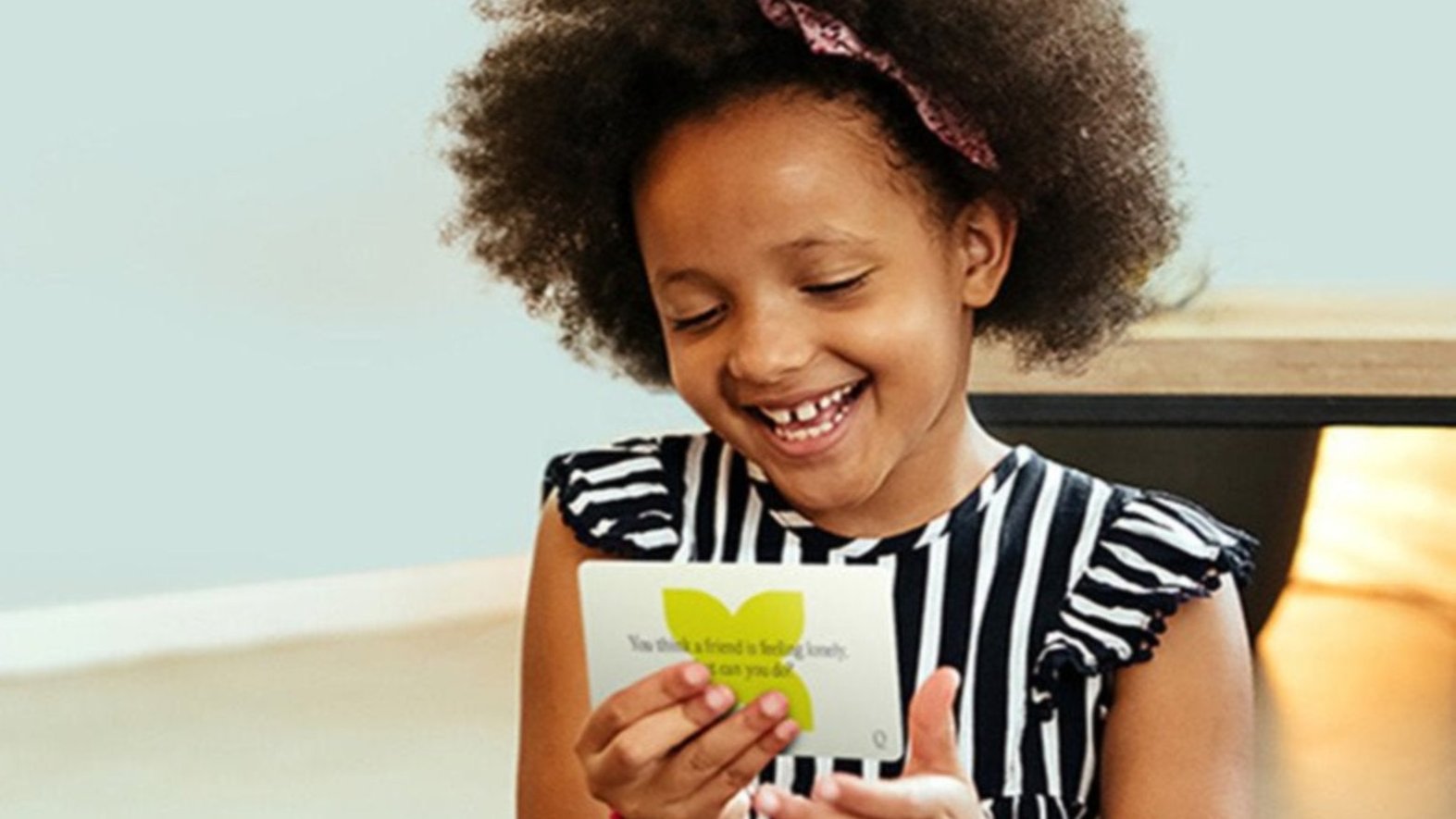
Sometimes, having a simple prompt can make it easier for both parents and children to begin. Tools like conversation cards can naturally support these moments, offering gentle ways to open dialogue without making it feel like a serious discussion.
Over time, what matters most is not how conversations start, but the feeling they create. When children sense that sharing is always welcome, they are more likely to return to these moments on their own.
Helping Children See Themselves Clearly in an Edited World
Children comparing themselves to AI images is part of the world they are growing up in. It cannot be fully prevented. What shapes their experience most is how they understand and respond to what they see.
When children feel heard and supported, they are more likely to question unrealistic standards. They begin to see themselves more clearly. In a world filled with edited images, real connection remains the strongest influence.

