






We are raising children in a world where AI can answer questions in seconds, trends can shape identity overnight, and much of childhood now unfolds through screens. It is exciting, overwhelming, and at times hard to know which skills will truly matter most as our children grow up.

The truth is, the future will not belong only to the people who know how to use technology. It will belong to those who can think clearly, stay curious, handle challenges, communicate with care, and build real trust with others.
Human-centered skills are not extra

These skills are often called “soft skills,” but that phrase can make them sound secondary.
They are not secondary at all.
They shape whether a child can recover after an online mistake, speak up when something feels wrong, work through conflict, and think clearly under pressure. Later, those same qualities help adults lead, adapt, solve problems, and build trust with others.
What counts as a human-centered skill?
The World Economic Forum groups them into several key areas: creativity and problem solving, emotional intelligence, communication and collaboration, learning and growth, and self-awareness.
In family life, that often looks like:
- asking thoughtful questions
- listening with care
- managing frustration
- working through conflict
- showing empathy
- staying curious
- adapting when things change
Why these skills matter at home and later at work
|
Human-centered skill |
In a child’s digital life |
In future work |
|
Critical thinking |
Questioning posts, videos, AI answers, and rumors |
Better decisions and stronger problem solving |
|
Empathy |
Understanding how words affect others online |
Teamwork, leadership, and trust |
|
Resilience |
Recovering from mistakes or social setbacks |
Adapting to change and handling pressure |
|
Communication |
Asking for help and expressing concerns clearly |
Collaboration and conflict repair |
|
Curiosity |
Wanting to understand how things work |
Lifelong learning and flexibility |
This is why these skills matter so much. They are not only about future careers. They are about how our children move through life right now.
Why human skills still matter in the age of AI

AI can summarize, generate, sort, and speed things up.
What it cannot fully replace is human judgment, emotional understanding, lived experience, and real relationship.
Children still need to know how to read a room, notice when a friend is hurting, pause before reacting, and think beyond the first answer that appears on a screen. Those abilities remain deeply valuable.
The WEF paper notes that tasks linked to empathy, creativity, leadership, and curiosity have only about 13% AI transformation potential.In other words, these are among the least likely human strengths to be fully reshaped by AI.
Human plus digital is the real goal
This is not about teaching children to fear technology.
It is about helping them use technology while staying grounded in judgment, connection, and values.
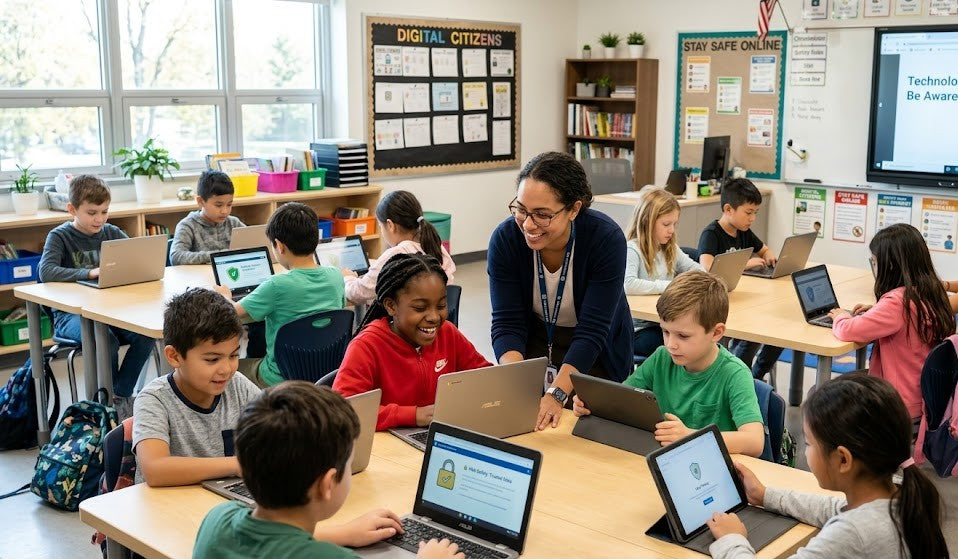
That is why conversations around digital citizenship matter so much. The goal is not to keep children away from the digital world entirely. It is to prepare them to move through it wisely.
The future of work begins in everyday family life
We do not start building these skills when children are older and applying for jobs.
We start now.
We build them in the car, at bedtime, after school, during arguments, after mistakes, and in those small moments when something online feels confusing or upsetting.
The same skills show up in daily parenting
A lot of what employers say they need is already present in everyday family life:
- Critical thinking helps children question online claims and peer pressure.
- Empathy helps them understand the impact of words in chats, comments, and group texts.
- Resilience helps them come back after embarrassment or conflict.
- Communication helps them ask for help early.
- Curiosity helps them stay open and willing to learn.
The gap is real
The World Economic Forum reports that by 2030, nearly 6 in 10 workers will need some form of training. It also found that almost 80% of employers see reskilling and upskilling as important, while fewer than half believe schools are doing well at developing creativity, curiosity, or resilience.
That is a big gap.
Parents are not meant to fill it alone, but home does become one of the places where these skills are practiced most consistently.
Schools cannot carry this work by themselves

Many of us assume children will pick up these habits naturally through school.
Sometimes they do. But not always in a consistent or supported way.
The WEF paper points out that while many education systems talk about communication, creativity, and problem solving, these skills are not always clearly taught or measured. It also found that 30% of teachers of 15-year-olds had no training in using social and emotional skills in classroom practice, and 40% lacked training to monitor them regularly.
What that means for parents
This does not mean schools are doing something wrong.
It means children benefit from practicing these skills in more than one place.
At home, we can help by making room for:
- discussion instead of only correction
- reflection instead of quick punishment
- repair after mistakes
- honest conversations about emotions and choices
That is part of being real with children, especially when online experiences bring up strong feelings.
Human-centered skills need practice

It is not enough to say we want our children to be kind, thoughtful, and resilient.
These skills grow through repetition.
They need chances to be used, reflected on, and strengthened over time.
The WEF paper makes an important point here: human-centered skills are often described as durable, but they can weaken without enough practice, feedback, and real interaction.
During the pandemic, use of interpersonal skills like teaching and resilience dropped more than 5% below 2019 levels, and by 2025 these skills had still not fully returned to pre-2019 levels.
Why this matters in family life
Children need room to:
- make mistakes
- reflect on what happened
- talk it through with support
- try again
That process builds far more than a polished outward behavior. It builds judgment.
What parents can do at home
This does not require perfect scripts or long lectures.
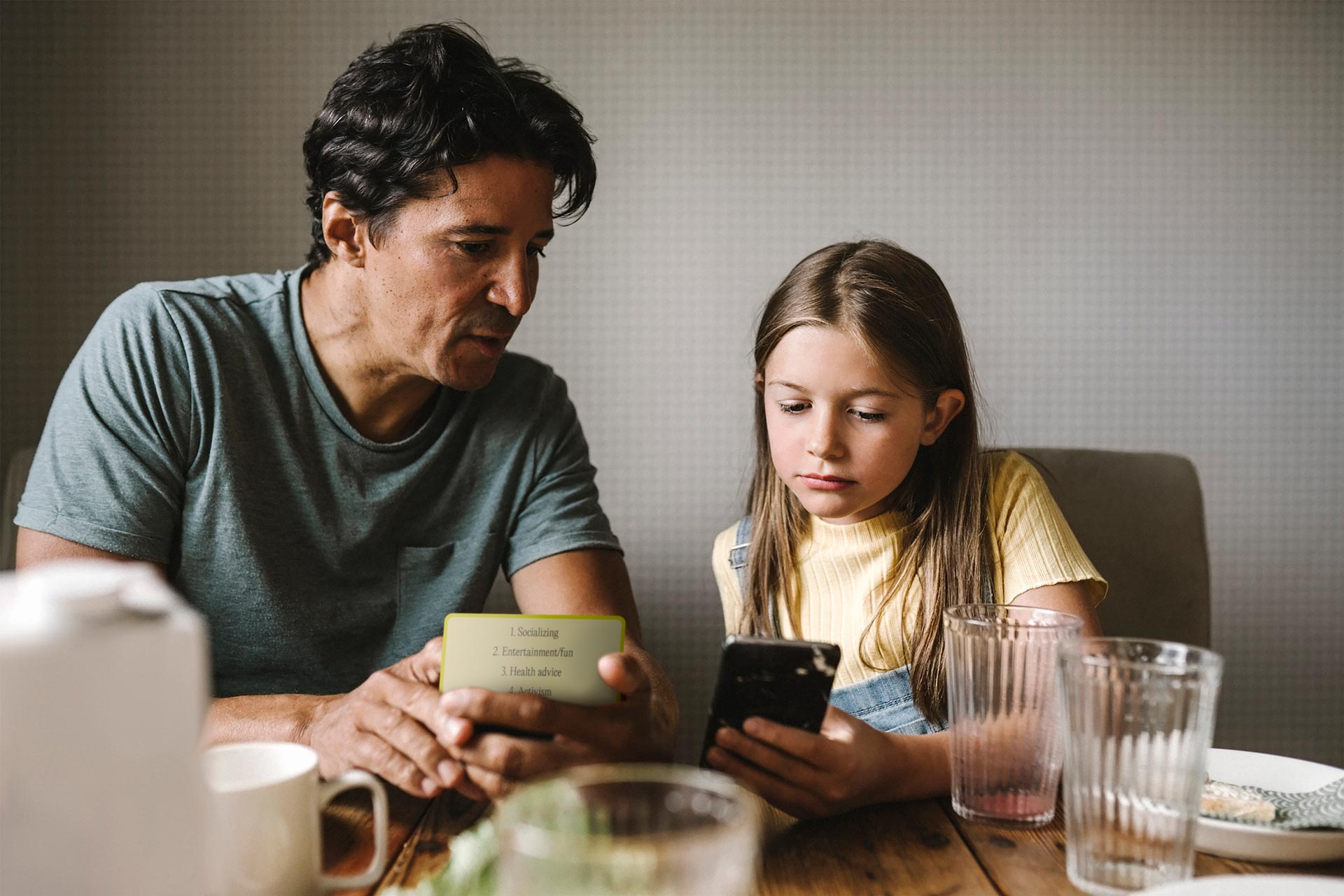
Usually, it starts with small, repeatable conversations.
Helpful questions to ask
These questions can build reflection without sounding heavy:
- “What do you think is going on here?”
- “How do you think that felt for the other person?”
- “What makes this seem true or not true?”
- “What would you do differently next time?”
- “Do you want help solving this, or do you want me to listen first?”
These questions slow the moment down and remind children that their thoughts and feelings matter.
Everyday ways to build human-centered skills
|
Skill |
Parent prompt |
Everyday moment |
|
Critical thinking |
“How do you know that is true?” |
Looking at a post, video, or AI-generated answer |
|
Empathy |
“How might that message land?” |
Talking through a group chat conflict |
|
Resilience |
“What can you learn from this?” |
After an online mistake or awkward moment |
|
Communication |
“How could you say that more clearly?” |
Rewriting a message or comment |
|
Curiosity |
“What do you want to understand better?” |
Exploring how an app or algorithm works |
When children are learning to think more carefully online, they are also building habits that will help them in friendships, school, and work later on.
Empathy deserves special attention
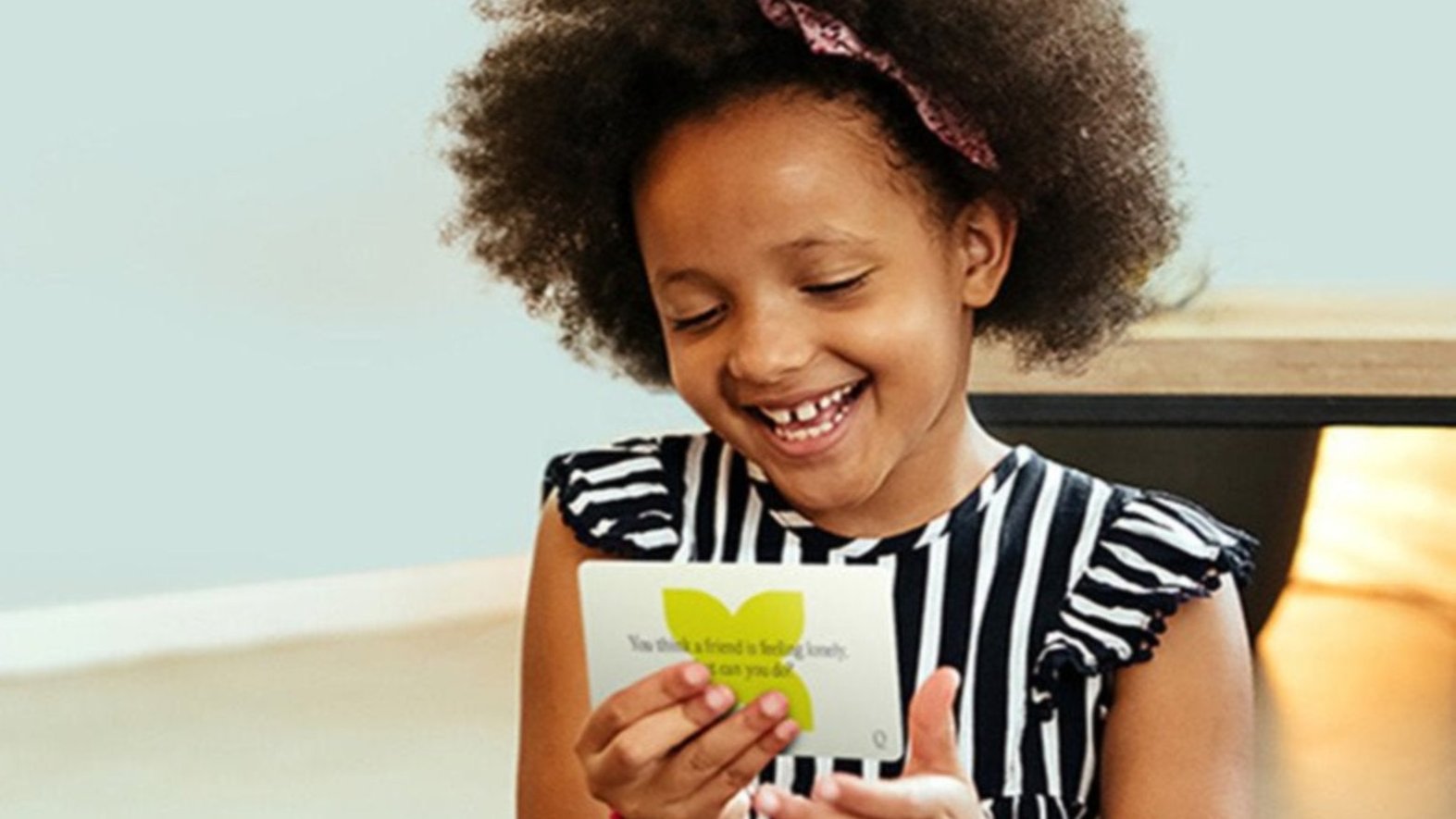
One of the hardest parts of digital life is how easy it is to forget there is a real person on the other side of the screen.
Children may be kind in person and still struggle online, where tone is missing, reactions are quick, and group dynamics can turn fast.
Why empathy matters so much online
Empathy helps children:
- notice when someone is being left out
- understand that jokes can hurt
- pause before piling on
- repair after causing harm
- offer care when a friend is struggling
It also helps them become the kind of future coworker, partner, and friend others trust.
These are the same values behind talking about digital empathy, not as a one-time lesson, but as an ongoing way of relating.
Why Curiosity Matters More Than Ever
Curiosity may not always get as much attention as resilience or confidence, but it matters deeply.
The WEF paper identifies curiosity and lifelong learning as among the weakest areas globally, even though they are essential in a fast-changing world.
What curiosity looks like in daily life
A curious child is more likely to:
- ask questions before believing something
- wonder why certain content keeps appearing
- stay open to new information
- keep learning after getting something wrong
- notice patterns instead of only reacting to them
Curiosity also helps keep conversations open at home. When we stay interested in what our children enjoy online, we are more likely to keep the relationship strong.
That same spirit is part of learning to notice the positives while still holding thoughtful boundaries.
Children learn from what we model

Before children follow our advice, they usually absorb our patterns.
They notice how we use our phones. They notice whether we check before sharing. They notice how we handle distraction, conflict, and repair.
That can feel uncomfortable. It can also be a gift.
We do not need to be perfect.
We need to be honest and willing to reflect.
Small modeling moments matter
Children learn a lot when they hear us say:
- “I reacted too quickly.”
- “I should have checked that first.”
- “I need to put my phone away and listen.”
- “I got that wrong, and I want to make it right.”
Those moments teach humility, care, and self-awareness.
They also support the quieter work of modeling healthy habits, which often shapes children more than rules alone.
What employers will value most later
It can help to step back and see the larger picture.
According to the WEF paper, the human-centered skills expected to remain most important include:
- analytical thinking
- creative thinking
- resilience, flexibility, and agility
- motivation and self-awareness
- curiosity and lifelong learning
What the data tells us
|
Area |
What the research shows |
|
Job change |
Nearly 40% of core job skills are expected to change in the next five years |
|
New roles |
170 million roles may be created while 92 million may be displaced |
|
Employer priority |
Almost 80% say reskilling and upskilling are important |
|
School gap |
Fewer than half of executives think schools are doing well at developing creativity, curiosity, or resilience |
|
AI reality |
Empathy, creativity, leadership, and curiosity remain harder to automate |
This is why technical knowledge alone will not be enough.
Children will need digital skills, yes. But they will also need the human strengths that help them adapt when tools, jobs, and expectations change.
What matters most for parents
Preparing children for the future of work does not begin with a résumé.
It begins with relationships.
It begins with helping them think clearly, speak honestly, repair after mistakes, notice the feelings of others, and stay open to learning.
A simpler way to hold this
We do not need to raise children who know every new tool.
We need to raise children who can:
- question what they see
- stay connected when things get hard
- use good judgment
- keep learning through change
- care about the people around them
That is not separate from success later on.
That is the foundation of it.
FAQs
How can I tell if my child is building human-centered skills?
Look for small signs in daily life: asking thoughtful questions, recovering after mistakes, listening during conflict, showing care for others, and being willing to try again when something feels hard.
At what age should parents start teaching these skills?
Earlier than most of us think. Young children can begin learning empathy, self-awareness, problem solving, and communication through everyday conversations, play, and guided reflection.
What if my child is strong academically but struggles socially?
That is more common than many parents realize. Academic success does not automatically build empathy, flexibility, or communication. These skills often need direct support at home and in real relationships.
Can too much screen time affect human-centered skills?
It can, especially if screens begin to replace face-to-face interaction, reflection, rest, or problem solving. The issue is not only time, but whether children still have enough space to practice connection, patience, and emotional regulation.
Are human-centered skills more important than digital skills?
They work together. Digital skills help children use tools. Human-centered skills help them use those tools wisely, respectfully, and with good judgment.

