
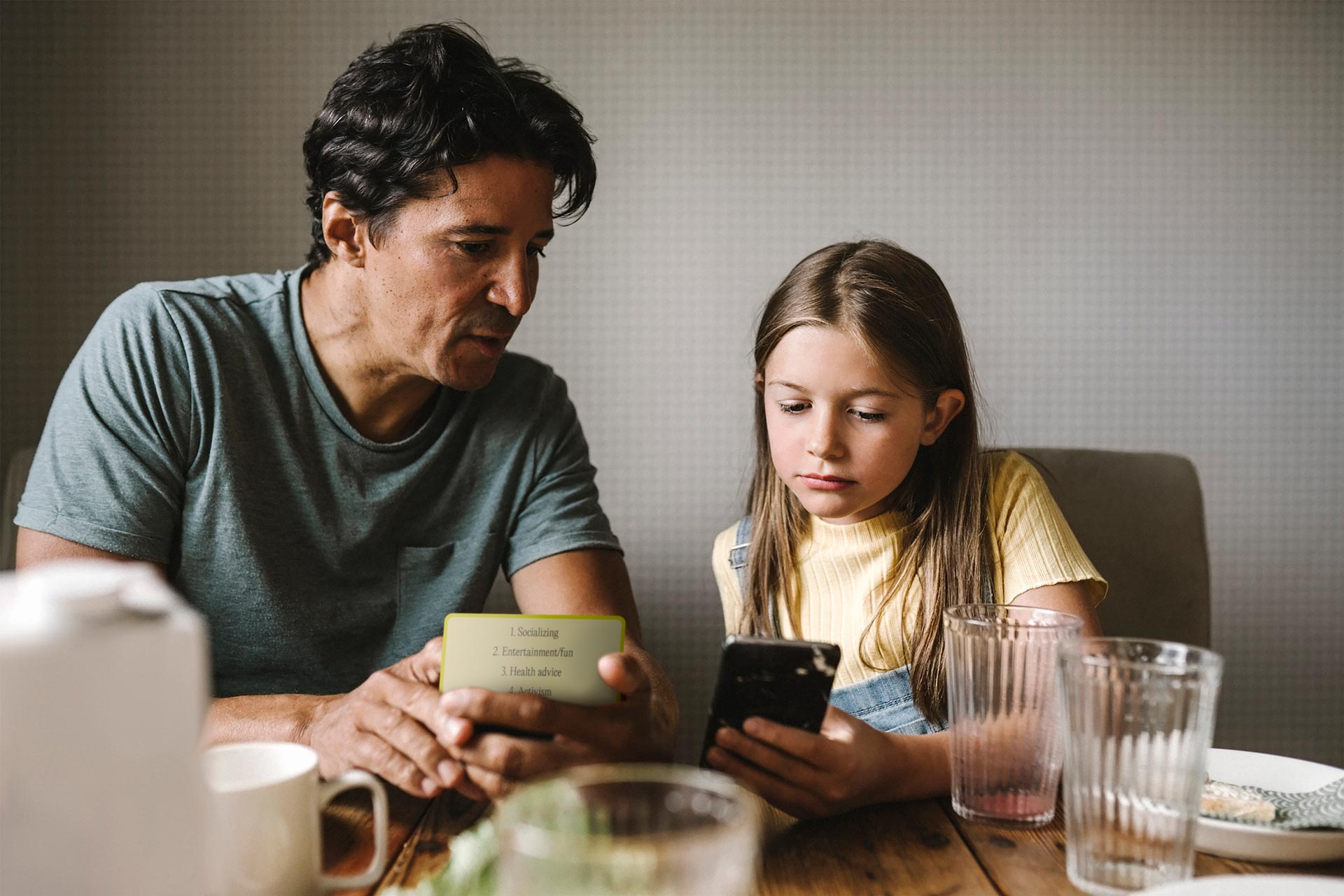


Facial recognition and biometric technologies are no longer experimental. They are part of the everyday systems children interact with. From school attendance tools to smartphone features and social media filters, these technologies quietly collect and process deeply personal data.
What makes this shift significant is not just the presence of technology. It is the scale and invisibility of its impact. Many of these systems operate in the background, without clear signals that data is being captured or stored.
For parents, this creates a new kind of awareness. Unlike screen time or content choices, biometric data is not always visible or easy to understand. Yet it plays a growing role in shaping children’s digital identities and long-term privacy.
What Is Facial Recognition and Biometric Data?

Understanding Facial Recognition in Simple Terms
Facial recognition technology identifies a person by analyzing unique facial features. It maps points such as the distance between the eyes or the structure of the face. Then it compares this information with stored data.
This process is fast and often feels ordinary. Unlocking a phone or tagging a photo may seem like small interactions. Over time, however, these repeated actions contribute to a larger collection of personal data tied to a child’s identity.
Types of Biometric Data Collected from Children
Biometric data includes several forms of identifiers that are directly linked to the body. These are not easily changed, which makes them especially sensitive, particularly as outlined in global biometric systems used with children.
Some common examples include:
- Facial scans
- Fingerprints
- Voice recognition patterns
- Eye or iris scans
- Behavioral traits such as typing or movement
Because these identifiers are permanent, their collection during childhood raises important questions about long-term privacy and control.
Where Children Encounter These Technologies
Schools and Educational Systems
In many schools, biometric systems are becoming part of daily routines. Facial recognition may be used for attendance, while fingerprint systems can manage payments or access to facilities.
These tools are often introduced to improve efficiency or safety. At the same time, they can shape how children understand privacy. When monitoring becomes routine, it can feel normal rather than something to question, especially given documented privacy risks in school environments.
Apps, Devices, and Everyday Use
Outside of school, children encounter biometric systems through everyday technology. Smartphones, gaming platforms, and apps often collect data in ways that are not always obvious.
Many parents are surprised to learn how subtle data collection practices can be, especially in tools designed to feel playful and harmless.
Why Facial Recognition Raises Privacy Concerns for Kids

Data Security and Long-Term Risks
Biometric data is valuable, which makes it a target. If it is exposed or misused, it cannot simply be replaced. This creates risks that extend far beyond the moment of collection.
Some of the concerns that often come up include:
- Long-term exposure of identity data
- Limited control over how information is stored or shared
- The possibility of misuse over time
These risks are not always visible in the moment, which can make them easy to overlook.
Identity, Autonomy, and Consent
Children are often too young to understand how their data is used. Yet their biometric information may be collected and stored from an early age.
Conversations around digital consent can help bring awareness to these ideas. Even when full understanding is not possible, early exposure to the concept of consent supports a child’s sense of autonomy over time.
Comparing Biometric Convenience vs Privacy Risks
|
Aspect |
Benefits |
Risks |
|
Convenience |
Quick access to devices and services |
Encourages passive data sharing |
|
Security |
Can reduce unauthorized access |
Data breaches may have lasting impact |
|
Personalization |
Tailored experiences |
Profiling and tracking over time |
|
Efficiency |
Faster processes in schools and apps |
Normalizes constant monitoring |
This contrast highlights a tension many families notice. The same features that feel helpful can also raise questions when viewed over a longer timeline.
Privacy Laws and Protections: What Parents Should Know
Existing Legal Frameworks
There are laws designed to protect children’s data, including regulations that require parental consent and limit how information can be used. These frameworks offer some level of protection.
At the same time, biometric data introduces complexities that many of these laws were not originally designed to address. Technology continues to evolve quickly, often outpacing regulation.
Advocacy and the Need for Stronger Protections
Organizations such as Common Sense Media continue to raise concerns about how facial recognition is used, especially when it involves children.
Their work reflects a broader conversation about transparency, accountability, and the need for clearer safeguards. For parents, this context helps explain why the topic continues to gain attention.
How Biometrics Shape Children’s Digital Experiences
Influence on Behavior and Choices
Biometric data does not exist in isolation. It often connects with larger systems that shape what children see and experience online. Over time, this can influence preferences and habits in subtle ways.
These systems may interact with recommendation engines and targeted ads, creating personalized digital environments that adapt to behavior.
Integration with AI Technologies
As children spend more time interacting with AI tools, biometric data becomes part of how these systems respond and evolve.
This integration can make experiences more engaging, but it also raises questions about how much data is being collected and how it is used over time.
Everyday Parenting Realities in a Biometric World
For many parents, these technologies are not something they actively chose. They are simply part of the environment children are growing up in.
This can lead to everyday moments of reflection:
- Noticing a school introducing a new system
- Watching a child use a face filter or unlock a device
- Wondering where that data goes and who has access to it
These moments are often subtle. They do not always feel urgent, yet they accumulate over time.
There is also an ongoing tension between wanting to keep children safe and wanting to respect their independence. Questions around trust vs monitoring often surface naturally in this context. Rather than clear answers, many families find themselves navigating these questions gradually, adjusting as situations arise.
Conversations That Grow With Children
Discussions about privacy tend to evolve as children grow. What feels abstract at one age can become more concrete later. Sometimes these conversations emerge naturally. A child may ask why a device recognizes their face or why an app asks for permission. Other times, the conversation begins with curiosity from a parent.
Using simple conversation starters can make these moments feel less formal and more connected to everyday life.
Over time, these small exchanges contribute to a broader understanding. They help children begin to see themselves not just as users of technology, but as individuals with a digital presence that matters.
Balancing Safety, Convenience, and Awareness

Biometric technologies are often designed to make life easier. Quick logins and seamless interactions can feel helpful in busy routines.
At the same time, these conveniences come with trade-offs that are not always immediately visible. The balance between ease and privacy is not fixed. It shifts depending on context, age, and personal values.
Some families lean toward convenience, while others prioritize privacy more strongly. Many find themselves somewhere in between, adjusting as new situations arise.
This balance is not about reaching a perfect answer. It is about staying aware of the choices being made, even when those choices are small.
Looking Ahead: Growing Up With Biometric Technology
Children today are growing up in a world where biometric systems are part of everyday life. This reality will likely continue to expand as technology develops further.
Rather than being a single issue to solve, this is an ongoing experience that unfolds over time. Children will encounter new tools, new platforms, and new questions as they grow.
What often matters most is not having all the answers, but staying engaged in the conversation. Awareness, curiosity, and openness create space for understanding to develop gradually.
Staying Present in a Changing Digital Landscape
Facial recognition and biometric technologies are shaping how children experience the world, often in ways that are not immediately visible. They bring both convenience and complexity, raising questions about privacy, identity, and long-term impact.
For parents, this is less about control and more about awareness. It is about noticing, reflecting, and staying present as children navigate these systems.
There is no single approach that fits every family. What remains consistent is the importance of connection, conversation, and a willingness to keep learning alongside our children in an evolving digital world.
Frequently Asked Questions
1. What is facial recognition and how does it affect children’s privacy?
Facial recognition is a technology that identifies a person by analyzing their facial features. For children, its impact goes beyond convenience. It contributes to the collection of biometric data that becomes part of their long-term digital identity, often without their full awareness.
Key points to understand:
- It collects unique facial data that cannot be changed
- It is often used in schools, apps, and devices
- It can store and track identity over time
2. Is biometric data more sensitive than other types of personal data?
Yes, biometric data is considered more sensitive because it is permanent. Unlike passwords or usernames, it cannot be reset if exposed. This makes it particularly important when it comes to children, whose data may be stored for many years.
Why it is more sensitive:
- It is tied directly to physical identity
- It cannot be replaced if compromised
- It can be used for tracking across systems
3. Are there laws protecting children’s biometric privacy?
There are laws designed to protect children’s data, but many were created before biometric technologies became widespread. This means there can be gaps in how effectively these protections apply today.
What current protections typically include:
- Requirements for parental consent
- Limits on data collection and sharing
- Guidelines for companies handling children’s data
4. How can children start understanding digital privacy and biometrics?
Children often begin to understand privacy through everyday experiences rather than formal explanations. Simple conversations and observations can gradually build awareness over time.
Ways this understanding develops:
- Asking questions about how devices recognize them
- Noticing when apps request permissions
- Talking about who owns and controls personal data

