
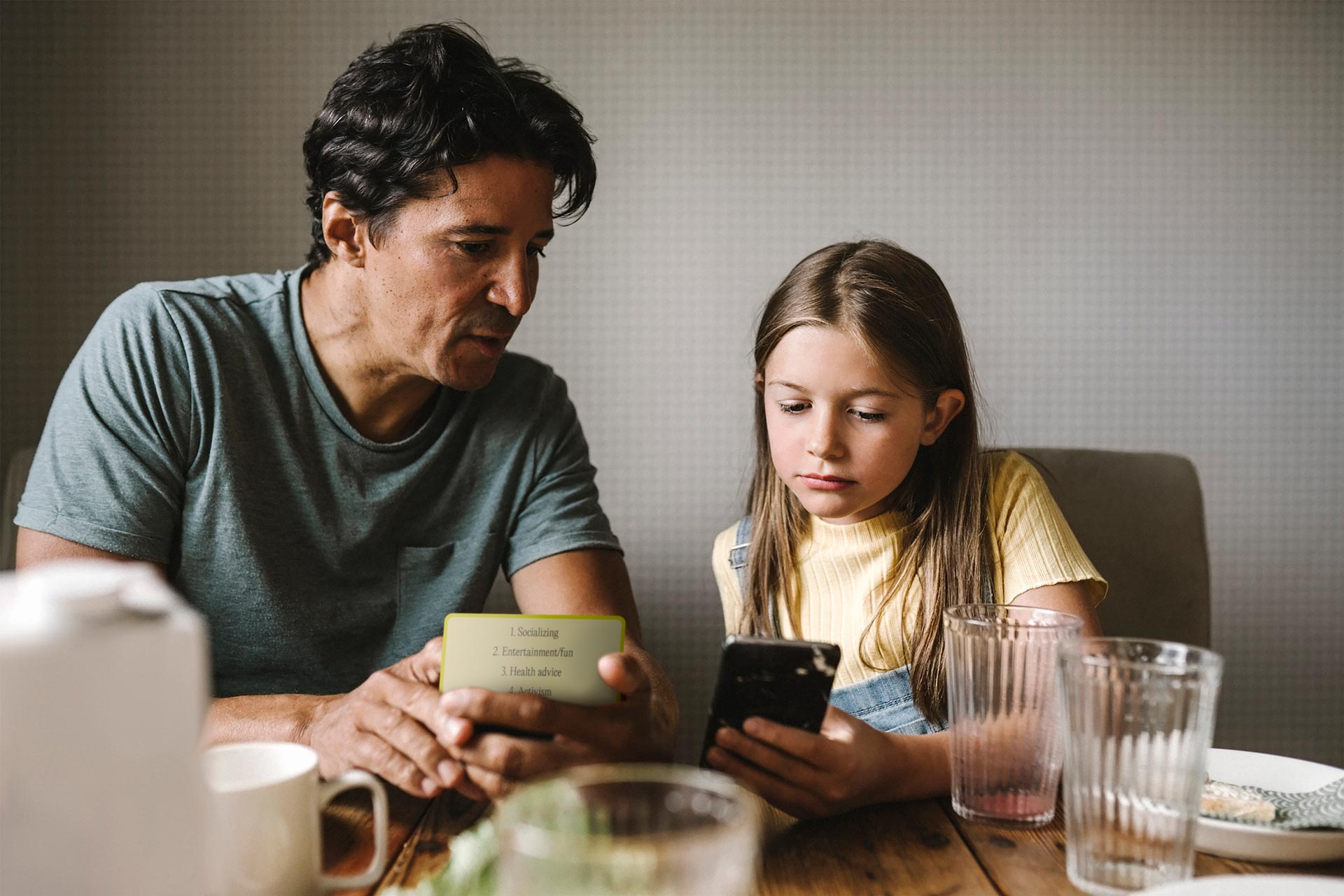


The rise of manipulated and fake sexual images represents one of the most complex forms of child online harassment today. Unlike traditional bullying, these situations blend technology, peer dynamics, and emotional pressure in ways that can feel overwhelming for both children and parents.
This is not an issue limited to certain types of children or specific platforms. It can affect anyone navigating friendships, identity, and belonging in a digital world. Images can be created and shared within minutes, often before a child fully understands what is happening.
For parents, the challenge is not only understanding the technology but also supporting children emotionally. The goal is not simply to prevent harm, but to create an environment where children feel safe enough to talk about what they are experiencing.
How Fake Sexual Images Are Created and Used
From Ordinary Photos to Harmful Content
In many cases, fake sexual images begin with something completely ordinary. A photo shared between friends, a picture posted on social media, or even an image taken in a classroom can be altered using simple editing tools or AI-based apps.
What makes these situations difficult is how quickly they shift from harmless to harmful.
Children may encounter:
- Photos edited to appear explicit or suggestive
- Faces placed onto inappropriate images
- Screenshots taken out of context and manipulated
Helping children learn to spot manipulated images can reduce confusion when these situations arise. When they understand how easily images can be changed, they are less likely to internalize blame.
These images are rarely shared without intent. They are often used to embarrass, isolate, or pressure a child into silence, reflecting patterns identified in youth deepfake abuse. In some cases, threats of further sharing are used to control behavior.
Why These Situations Escalate So Quickly
Fake images gain power through speed and visibility, a pattern also highlighted inimage-based abuse cases. Once shared, they can spread across multiple platforms almost instantly. Even if removed later, the emotional impact often remains.
Several factors contribute to rapid escalation:
- Content can be forwarded in seconds across group chats
- Children may not know who has seen the image
- Social pressure amplifies the fear of judgment
These situations often exist alongside broader patterns of online harassment. What may begin as teasing or conflict can quickly turn into something more serious.
Uncertainty plays a major role. Not knowing how far an image has spread can make the situation feel overwhelming, even if the actual reach is limited.

What Children Often Experience Internally
Shame That Feels Personal, Even When It Isn’t
Even when a child knows an image is fake, the emotional response can feel very real. The idea that others might believe it can create deep embarrassment that affects how they see themselves.
Common reactions include:
- Withdrawing from friends or social activities
- Feeling uncomfortable being seen or noticed
- Becoming more cautious in online interactions
These changes are often gradual. Parents may notice shifts in behavior without immediately understanding the cause.
It helps to remember that this response is not about logic. Knowing something is fake does not remove the emotional impact. Children often need reassurance that their feelings are valid.
Fear and the Difficulty of Speaking Up
Fear can make it difficult for children to talk about what is happening. They may worry about making the situation worse or facing consequences at home.
Some common concerns children have include:
- Losing access to their devices
- Being blamed for what happened
- Not being believed or understood
This silence can sometimes be misinterpreted as secrecy. In reality, it is often a sign of how overwhelming the situation feels.
Creating space for conversation without immediate correction or reaction can help children feel more comfortable opening up. Trust builds gradually through these moments.

Monitoring Kids Online and Respecting Privacy
Different Ways Parents Approach Digital Safety
Parents often think about safety in terms of oversight. While monitoring can play a role, how it is experienced by children can vary.
|
Approach |
What It Feels Like to the Child |
Possible Outcome |
|
Heavy surveillance |
Being watched or controlled |
Increased secrecy |
|
Minimal involvement |
Being left alone to figure things out |
Limited guidance |
|
Shared awareness |
Being supported and included |
More open communication |
The difference often comes down to how these approaches are communicated. When children feel included, they are more likely to engage in conversations about safety.
Balancing Safety With Children’s Privacy
The idea of children’s privacy can feel complicated. Parents want to keep their children safe while also respecting their independence.
Some ways this balance shows up in daily life include:
- Talking openly about how devices are used
- Agreeing on boundaries together rather than imposing them
- Explaining the reasons behind certain limits
Discussing digital consent basics can help children understand that their online presence deserves care and respect.When privacy is treated as meaningful, children often become more thoughtful about how they interact online.
When Situations Like This Happen
Responding Without Increasing Pressure
When parents become aware of a situation, it is natural to feel urgency. Acting quickly can feel necessary, but how that response unfolds matters.
Children often benefit when parents:
- Take time to listen before reacting
- Focus on understanding what the child is feeling
- Involve the child in deciding next steps
Many parents feel uncertain about handling cyberbullying in ways that do not add to stress. Starting with connection can change how the situation is experienced.
When Children Don’t Share Right Away
It is common for children to delay sharing. By the time parents find out, the situation may already feel complex.
Reasons children may hesitate include:
- Fear of consequences
- Embarrassment about the situation
- Uncertainty about how serious it is
Rather than focusing on the delay, it can help to explore what made sharing difficult.Some families find that using structured conversation tools creates a more relaxed space for these discussions. These conversations do not need to feel formal to be effective.

Supporting Children After the Experience
Rebuilding Confidence and Comfort
After an incident, children may continue to feel uncertain. Confidence often returns gradually through everyday experiences.
Helpful ways to support this process include:
- Encouraging activities where the child feels capable
- Spending time together in low-pressure settings
- Recognizing small steps forward
These moments help children reconnect with a sense of stability and self-worth.
Recovery is not always linear. Children may revisit their feelings at different times, and being available for those moments matters.
Growing Awareness Without Fear
Ongoing conversations about digital life can build awareness without creating anxiety.
These discussions might include:
- How images can be created and shared
- How quickly does information spread online
- How to respond when something feels uncomfortable
When children are included in these conversations, they often develop a stronger sense of confidence. Technology becomes something they understand, not something they fear.
Staying Connected in a Complex Digital World
Fake sexual images used to shame and control children represent a serious and evolving form of child online harassment. While the technology continues to change, the emotional needs of children remain the same.
Connection and open communication play a central role in how children experience support. When they feel safe to share, they are better equipped to navigate difficult situations.
There is no perfect way to prevent every risk. What matters most is creating a relationship where children know they are not facing those challenges alone.
Frequently Asked Questions (FAQs)
1. What is child online harassment and how do fake images fit into it?
Child online harassment refers to harmful behaviors that happen through digital platforms, including bullying, threats, and manipulation. Fake sexual images are one of the more severe forms because they combine humiliation with control, often making children feel trapped or powerless.
These situations often involve:
- Manipulated or AI-generated images shared without consent
- Threats to distribute images more widely
- Social pressure used to isolate or silence the child
- Overlap with other forms of cyberbullying
2. Why do children feel so affected even when the images are fake?
Even when children know an image is not real, the emotional impact can still feel very real. The fear that others might believe the image often leads to shame and anxiety. At this stage of development, social perception plays a powerful role in how children see themselves.
Common emotional responses include:
- Feeling embarrassed or exposed
- Worrying about how others will react
- Withdrawing from social situations
- Questioning their identity or self-worth
3. How can I talk to my child about digital safety without scaring them?
Conversations about digital life are often more effective when they feel natural and ongoing. Instead of focusing only on risks, it can help to explore how technology works and how people interact online. A calm, curious tone can help children feel engaged rather than fearful.
4. Should parents be monitoring kids online more closely?
Monitoring can be helpful in some situations, but how it is approached matters. When monitoring feels controlling, children may become more secretive. When it feels collaborative, children are more likely to stay open and communicate.
A balanced approach often includes:
- Open conversations about online experiences
- Shared understanding of boundaries
- Clear but respectful expectations
- Ongoing dialogue instead of one-time rules
5. What should I do if my child is being targeted with fake images?
The first step is to focus on your child’s emotional experience before trying to fix the situation. Feeling heard and supported can make a significant difference in how they cope. From there, you can begin to explore possible next steps together.
You might consider:
- Listening calmly without immediate judgment
- Reassuring your child that they are not at fault
- Discussing options like reporting or blocking
- Seeking support from school or trusted adults if needed

