




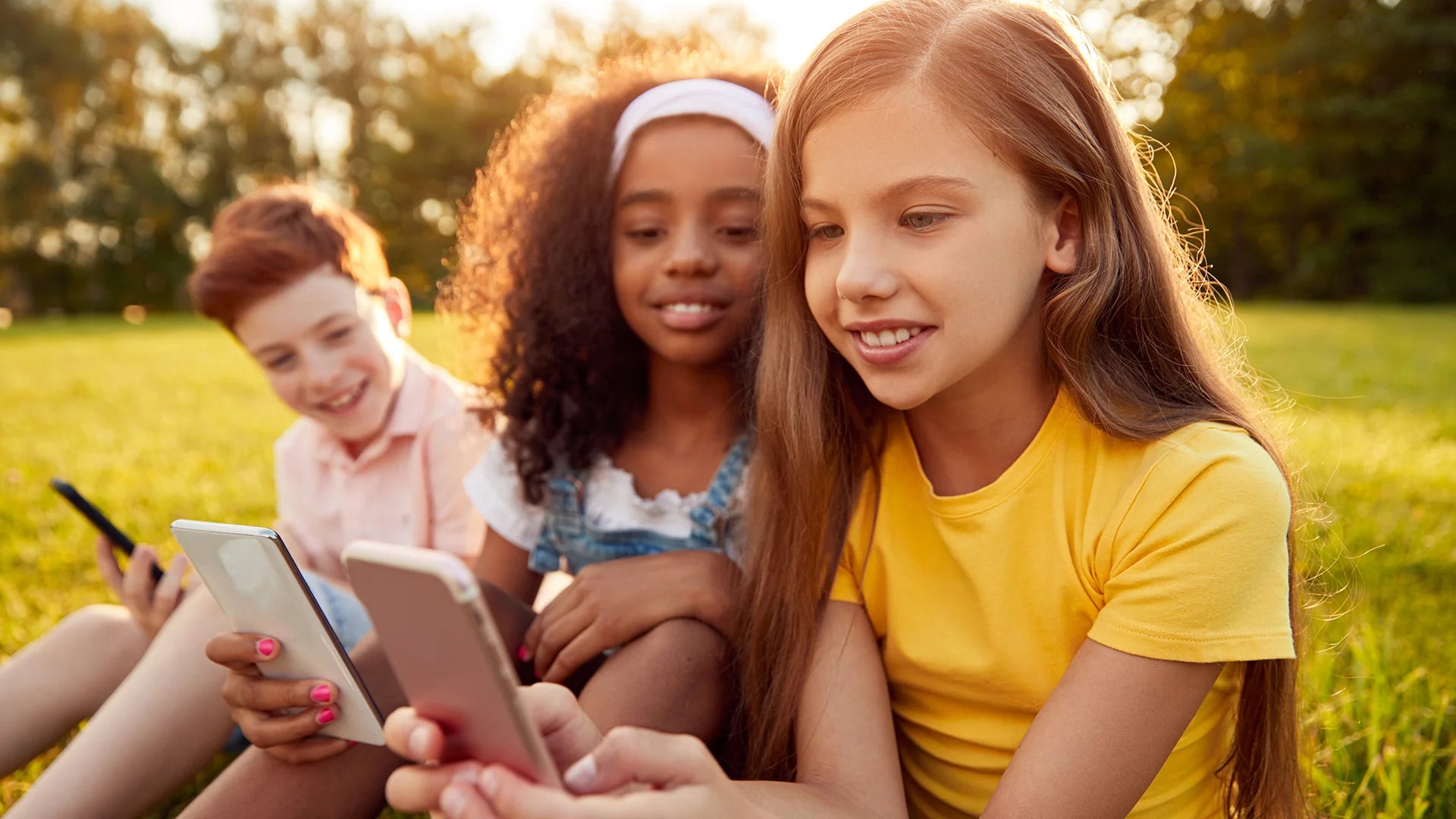

For many parents, social media brings a quiet but persistent unease. It is not only about screens or time spent online. It is about emotions, self-worth, and the invisible weight children carry when their social world becomes public. A single comment can feel overwhelming. Silence can feel personal. Comparison can creep in quietly.
Parents worry because they understand how deeply children feel things, even when they appear confident or detached. Social media compresses social experiences into numbers and symbols, making it easy for kids to confuse feedback with identity.
Helping children enjoy social media without taking it personally is not about mastering technology. It is about helping them stay connected to themselves while navigating connections with others.

Why Kids Take Social Media So Personally
Children do not experience social media the way adults do. Their emotional systems are still developing, and their sense of self is still forming. What seems small to us can feel defining to them.
Online interactions often feel intense because they are highly visible and easily compared. Children may not yet have the ability to place these experiences in context. As a result, meaning fills the gaps.
Common reasons social media feels personal to kids include:
- A developing ability to separate experience from identity
- A strong desire for belonging and recognition
- Limited perspective on algorithms, timing, and external factors
These reactions are not flaws. They are part of growing up in a social world that is louder and more visible than ever before.
When Protection Turns Into Pressure
When parents notice how personally their children take social media, the instinct to protect can become strong. This often leads to tighter rules, more monitoring, or sudden restrictions.
These responses usually come from care. Still, they can create unintended consequences.
Children may begin to:
- Share less about their online experiences
- Hide struggles to avoid worry or consequences
- Feel misunderstood rather than supported
Below is a simple contrast that highlights the emotional difference children often experience:
|
Protective Control |
Emotional Support |
|
Limits experience |
Builds understanding |
|
Focuses on preventing mistakes |
Focuses on learning from them |
|
Prioritizes rules |
Prioritizes trust |
|
Can increase secrecy |
Encourages openness |
Emotional resilience grows not from avoiding difficulty, but from feeling supported while facing it.
Emotional Safety Changes Everything
Children are far more likely to develop a healthy relationship with social media when they feel safe talking about it. Emotional safety does not come from perfect responses. It comes from presence.
When a child shares something painful, parents often feel pressure to respond quickly. The urge to fix, minimize, or react strongly is natural. Yet these responses can unintentionally signal that certain feelings are too much to handle.
Emotional safety grows when:
- Feelings are allowed without being rushed away
- Children feel heard without being corrected
- Parents stay calm even when the story is uncomfortable
When children feel safe sharing their emotional experiences, they are less likely to internalize them alone.
What Children Learn From Watching Us
Children absorb lessons about emotional meaning long before they understand them intellectually. They watch how adults respond to disappointment, criticism, and comparison.
This includes how parents talk about:
- Their work and relationships
- Mistakes and feedback
- Their own online experiences
When parents name feelings without tying them to self worth, children learn that emotions can exist without defining identity. When parents show reflection rather than reactivity, children learn that meaning is flexible.
Perfection is not required. Honesty and self awareness matter far more.
Talking to Kids About Social Media Without Making It Personal

Rules may limit behavior, but conversations shape understanding. Children benefit when discussions about social media move beyond time limits and into emotional awareness.
These conversations often explore:
- How certain platforms or interactions feel afterward
- When social media feels connecting versus draining
- What respect looks like online and offline
These are not one time talks. They evolve naturally and deepen over time. The goal is not agreement on every point. The goal is shared awareness.
When children begin noticing their own emotional responses, self regulation starts to develop from the inside out.
How to Teach Kids to Enjoy Social Media Without Taking It Personally
Online feedback can feel absolute. A lack of response can feel like rejection. A comment can feel permanent. Parents can support this separation by offering perspective only when children are open to it. Timing matters. When feelings are intense, understanding comes first. Perspective comes later.The goal is not to convince a child that their feelings are wrong. It is to help them see that feelings and identity are not the same thing. This might involve wondering together about context or acknowledging disappointment without reinforcing self judgment.
Helpful reminders often sound like:
- This feels hard, and it makes sense
- Other explanations may exist
- Your value did not change because of this
The aim is not to dismiss feelings, but to keep them from becoming identity.
Over time, children learn to hold experiences without letting them define who they are.
Respecting Privacy While Staying Connected
As children grow, they need increasing autonomy, including in digital spaces. Respecting privacy does not mean disengaging. It means staying connected without controlling. Children are more likely to share when they feel trusted rather than watched. Explaining concern openly builds cooperation. Asking permission to engage fosters respect.
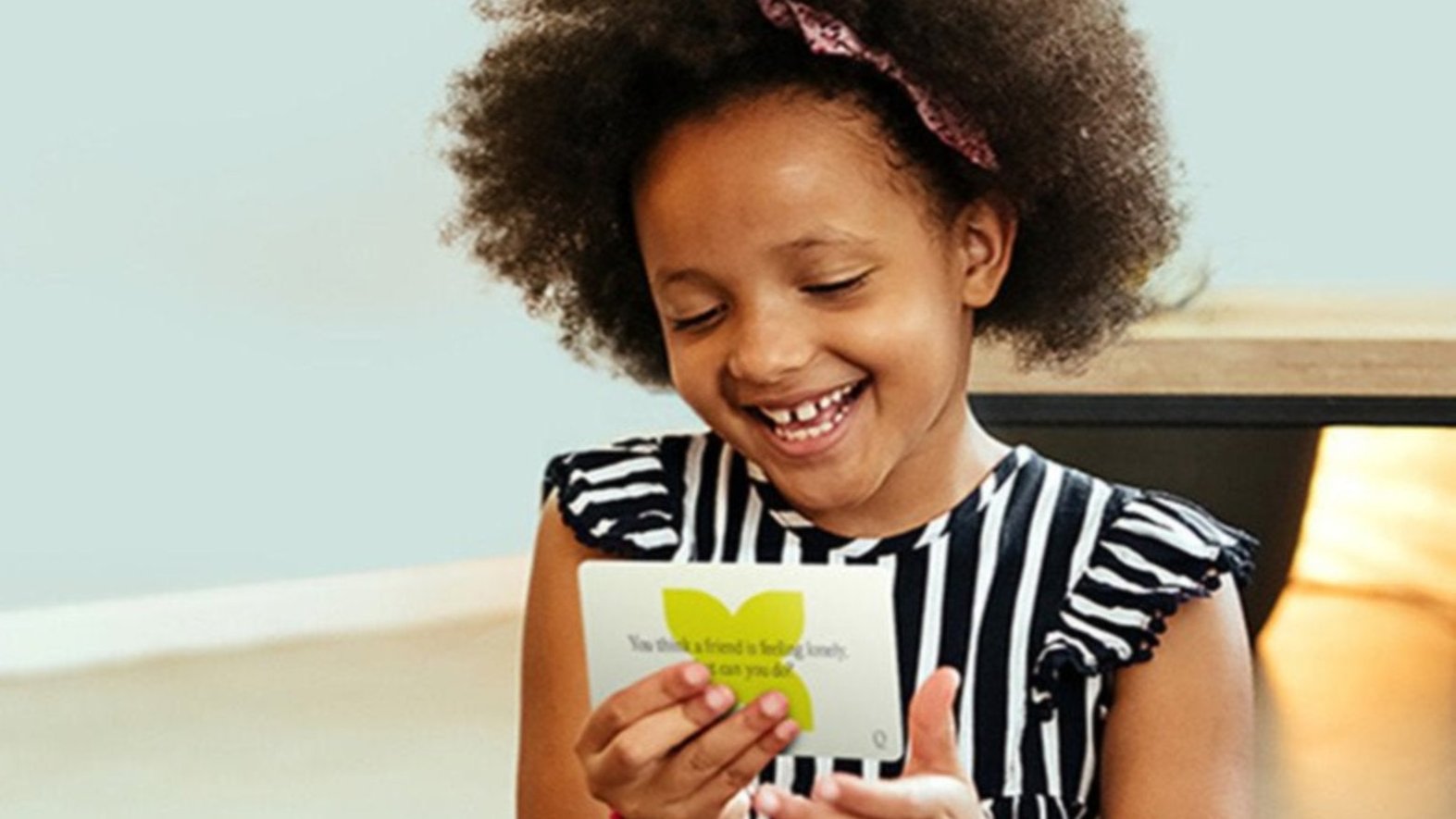
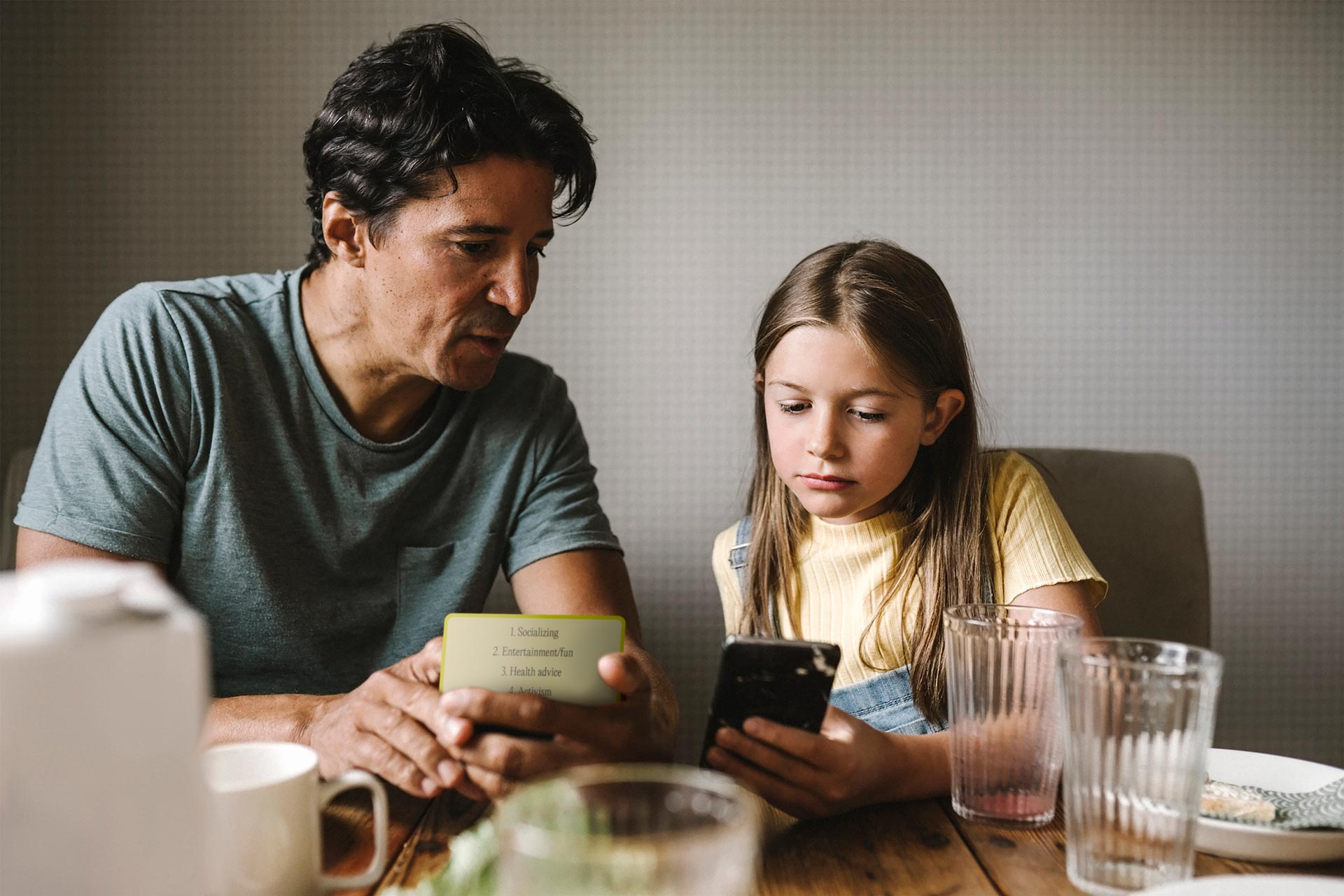
This balance shifts over time. What remains constant is the importance of trust. When children feel respected, they are more likely to seek support when it matters most. Sometimes it helps to have a simple starting point for conversations like these, especially when words feel hard to find. Thoughtfully designed conversation prompts for parents and kids can offer a gentle way to open dialogue and stay connected without pressure.
Reflection Creates Resilience
Some of the most meaningful learning happens after emotions have settled. Reflection allows children to look back without feeling overwhelmed.
Reflection often emerges naturally:
- During quiet routines
- In the car
- While doing something together
These moments allow children to notice patterns, recognize growth, and build confidence in their ability to handle future challenges. Reflection is not evaluation. It is meaning-making.
Growth Includes Mistakes
No child navigates social media without missteps. Feelings get hurt. Parents react imperfectly. This is part of learning.
Children benefit from seeing that:
- Growth is ongoing
- Expectations can change
- Relationships adapt
When mistakes are treated as learning moments rather than failures, children develop resilience and self-trust.
A Different Kind of Protection

The strongest protection parents can offer is not control. It is a connection.
Children who feel emotionally supported are better equipped to handle comparison, criticism, and disappointment. They learn that feedback is information, not identity.
Social media will change. Platforms will come and go. What lasts is a child’s sense of self and the relationship they have with the adults who guide them.
When parents lead with understanding and presence, children learn to enjoy connection without losing themselves in it.
Frequently Asked Questions
1. At what age should kids start using social media?
There is no single age that works for every child. Readiness matters more than the number itself. Some children handle online interaction thoughtfully at a younger age, while others benefit from waiting until they feel more emotionally grounded.
Parents often consider:
- How their child handles feedback or disappointment
- Whether they can talk openly about online experiences
- How they respond to comparison or exclusion
Starting later can reduce pressure, but emotional readiness is the most important factor.
2. How do I help my child stop caring so much about likes and comments?
Caring about feedback is human, especially for children. The goal is not to make kids indifferent, but to help them understand that online reactions are limited and often incomplete.
Children benefit when they learn that:
- Likes reflect visibility, not value
- Silence does not always mean rejection
- Other people’s responses are shaped by many factors
Over time, this understanding helps feedback feel less personal.
3. Is it normal for social media to affect my child’s mood?
Yes, it is very common. Social media is designed to trigger emotional responses, and children are especially sensitive to social cues. Mood shifts do not mean something is wrong, but they do offer useful information.
Parents often notice changes such as:
- Irritability after scrolling
- Increased self comparison
- Emotional highs followed by lows
These patterns can become starting points for gentle conversations about balance and awareness.
4. Should I monitor my child’s social media activity?
Many parents wonder how involved to be without crossing into control. What matters most is whether your child feels supported rather than watched.
Monitoring tends to work best when:
- It is discussed openly rather than done secretly
- The purpose is explained clearly
- Trust and communication remain central
Children who feel respected are more likely to share concerns voluntarily.
5. What should I do if my child is hurt by something online?
When a child is hurt online, emotional presence matters more than immediate solutions. Being calm and attentive helps children process feelings before trying to fix anything.
Support often looks like:
- Listening without minimizing
- Acknowledging that the experience feels painful
- Exploring perspective only when the child is ready
Feeling understood helps children regain their emotional footing.