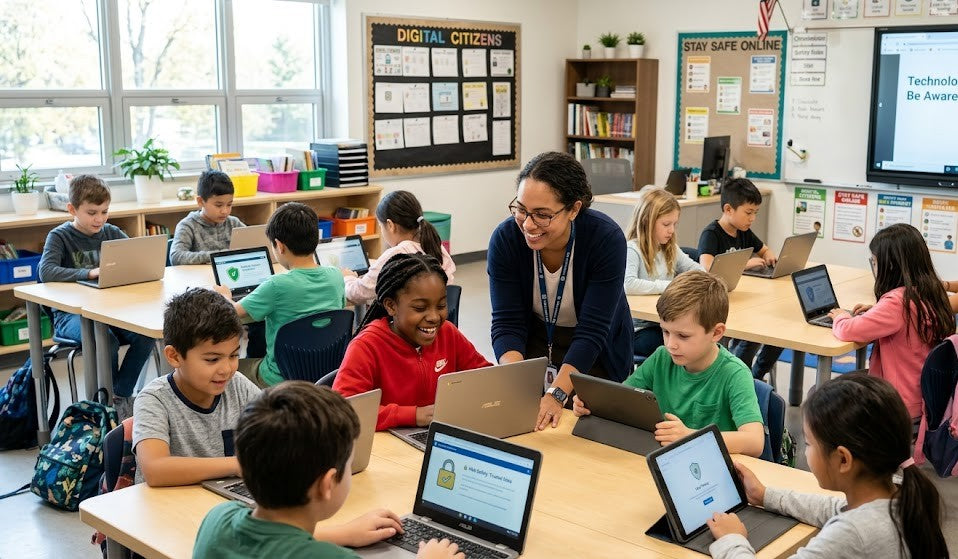
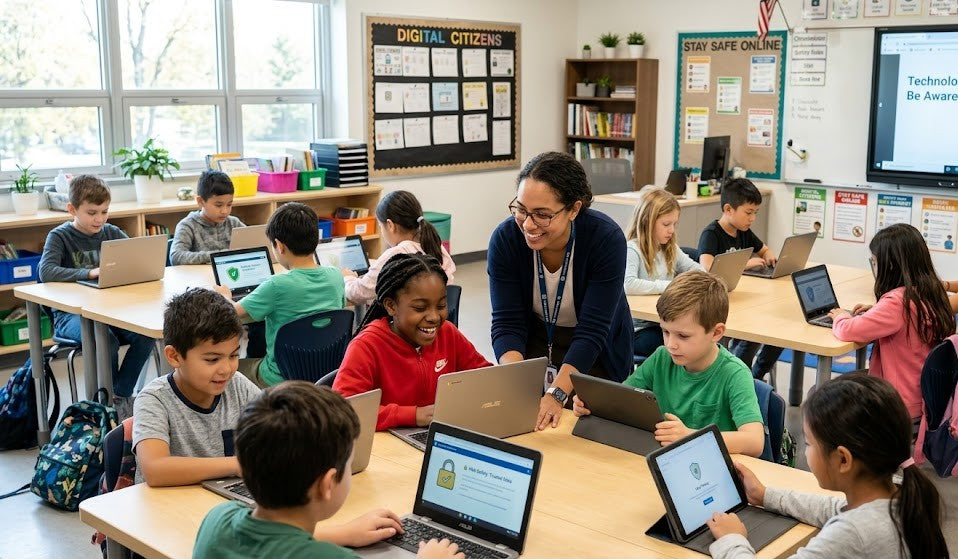






Schools are more than institutions. For parents, they are trusted partners in raising children. Teachers and administrators hold roles that blend responsibility, care, and relationship, which naturally invite trust.
When a message appears to come from a school, parents often respond from connection rather than analysis alone. That response grows from love, responsibility, and involvement. These qualities are strengths in parenting, not weaknesses.
Trust is a healthy and necessary part of family–school relationships. The harm does not come from trusting schools, but from individuals who misuse that trust through online scams that are designed to feel familiar.
Parenting in a Digital World of Constant Communication
Many parents manage a steady stream of school-related communication, including:
- Emails from teachers and administrators
- Online school portals and learning platforms
- Permission slips, forms, and updates
- Payment notices and time-sensitive requests
These messages arrive throughout the day, layered onto work, caregiving, and emotional responsibilities.
Over time, this constant flow can create fatigue. Messages are often opened:
- Between tasks
- During work breaks
- Late at night when energy is already low
Scammers rely on this reality. They know parents and children may not always have the space to pause and reflect in the moment.
Responding quickly is rarely a sign of carelessness. More often, it reflects attentiveness, responsibility, and concern shaped by the pace of modern family life.
How Scammers Target Children by Impersonating Teachers and School Authorities
Mimicking Educators to Gain Trust
Scammers study how teachers and schools communicate. Their messages are designed to feel familiar rather than alarming.
These messages often include:
- Polite, professional language
- Familiar school formatting
- References to grades, attendance, or classroom activities
What makes these scams effective is the trust children and parents already place in real school relationships.
Fake School Platforms Used in Scamming Children
Many parents regularly log into school systems to check grades, submit forms, or complete routine tasks. These actions become part of daily involvement.
Scammers take advantage of this familiarity by creating platforms that closely resemble real ones. The differences are often subtle and easy to miss when parents are focused on completing what feels like a normal request.
|
Real School Communication |
Scam-Based Communication |
|
Uses consistent, familiar platforms |
Mimics platforms with small changes |
|
Allows time to verify or ask questions |
Presses for immediate action |
|
Encourages contact with school staff |
Discourages outside confirmation |
The experience feels ordinary because it is designed to blend into what parents already know.
How Scammers Directly Target Children in School-Related Scams
While many school-related scams are aimed at parents, children are increasingly direct targets. Scammers may contact children through school email accounts, learning platforms, messaging tools, or shared devices.
In some cases, children are asked to:
- Click links sent through school systems
- Share login credentials for learning platforms
- Relay urgent messages to parents
- Complete “school tasks” that involve payments or downloads
Because these requests appear to come from familiar school environments, children often comply without hesitation. This is not a failure of awareness, it reflects how trust works in educational spaces.
The Emotional Strategies Scammers Use on Parents

Urgency and the Caring Parent Instinct
Many scam messages rely on urgency. They are written to suggest that waiting could affect a child’s well-being or standing at school.
Parents may find thoughts like:
- What if my child is affected?
- What if I miss something important?
- What if acting quickly is the safest choice?
These reactions come from care, not panic. When children are involved, responding quickly often feels like the most responsible thing to do.
Shame and Silence After a Scam Experience
When parents realize something went wrong, self-blame can surface. Some worry about judgment and choose not to talk about it.
Silence benefits scammers, not families. Parenting in a digital world is complex, and learning often happens through experience. Open conversations support understanding and reduce isolation.
Respect includes how parents treat themselves while learning something new.
Recognizing Scams Without Turning Parenting Into Control
Awareness Without Fear
Staying aware does not require constant suspicion. Many parents naturally notice when something feels different in tone, timing, or context.
Awareness often shows up as a pause. That pause creates space to reread a message, notice emotions, or check in with the school directly. Curiosity supports safety without undermining trust.
Slowing Down as a Gentle Protective Practice
Slowing down doesn’t mean ignoring messages or delaying care. Even brief pauses can help.
Parents often find clarity when they:
- Notice emotional reactions
- Re-read messages carefully
- Respond in ways that reflect values rather than urgency
These moments often reveal whether a message truly belongs.
Helping Children Recognize and Respond to Scams Without Fear
Preventing scamming children does not require teaching suspicion. It involves helping children recognize patterns, ask questions, and pause when something feels unusual even when a message appears to come from school. These skills develop best through conversation, modeling, and shared problem-solving that strengthens critical thinking in everyday digital moments.
Talking With Children About Digital Trust
Children encounter digital spaces early. Conversations about trust tend to work best when they are woven naturally into everyday moments.
Many families talk aloud about how adults decide what to trust online. Sharing this thinking helps children understand that safety grows from awareness and communication, not fear.
Modeling Calm Thinking
Children learn how to respond to uncertainty by watching the adults around them and noticing how a trusted role model handles doubt and mistakes. When parents pause, ask questions, or seek confirmation, children absorb those habits.
Even when mistakes happen, openness and repair show children that learning continues over time.
When a Scam Happens: Focus on Repair, Not Panic
Responding With Self-Compassion
When something goes wrong, frustration or embarrassment may surface quickly. Meeting those feelings with compassion allows clarity to return.
Mistakes do not define parental ability. They are part of learning in a fast-changing digital world.
Rebuilding Trust With Schools and Within the Family
Reaching out to schools often brings reassurance. Schools understand that scams target trust, not neglect.
Within families, open conversations strengthen connection and reinforce safety. Repair builds trust rather than diminishing it and supports the emotional skills children carry into future challenges.
Raising Digitally Resilient Children in a World of Scams
From Protection Toward Empowerment
Parenting isn’t about eliminating every risk. It’s about helping children grow into people who can think clearly and regulate emotions when situations feel uncertain.
Scam awareness becomes part of broader emotional and relational growth.
Living Connection in Everyday Digital Life
Daily digital moments offer opportunities for connection, reflection, and growth. These moments are often quiet and ordinary.
Parenting in a digital world is less about perfection and more about staying engaged, open, and willing to learn together.
A Quiet Way to Keep the Conversation Going

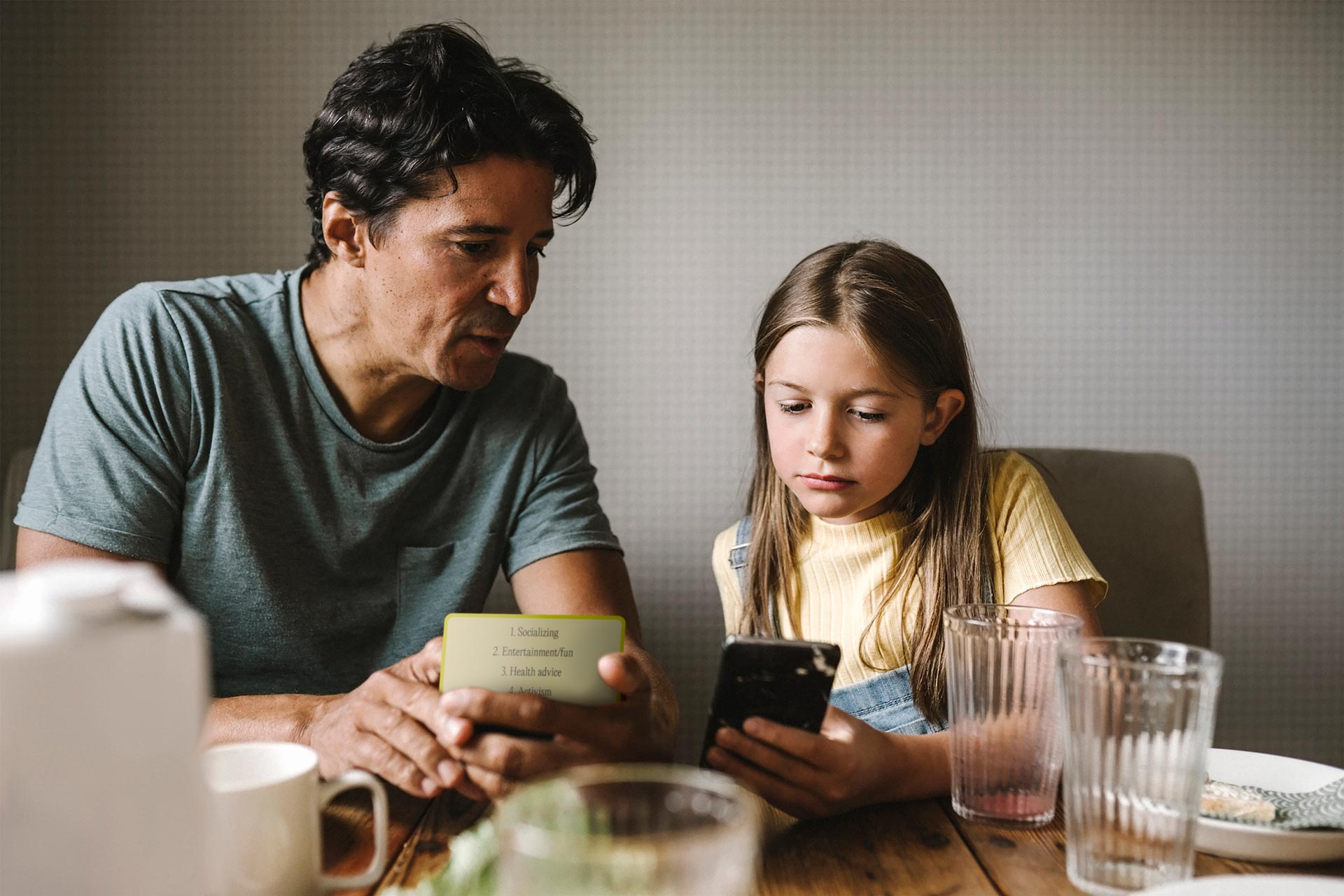
Most of us don’t sit down planning to have a “big talk” about the online world. The best conversations usually happen in small moments, when something comes up and we’re already together. Sometimes it helps to have a few thoughtful questions nearby, not to lead the conversation, but to give it somewhere to start.
Some parents use conversation cards that invite kids to talk about digital life, trust, and everyday choices as a way to keep those exchanges feeling relaxed and mutual. They’re not about having the right answers, just about staying connected as things keep changing.
Frequently Asked Questions
1. How can I tell if an email claiming to be from my child’s school is a scam?
Scam messages often create urgency and push for quick action, especially when a child is mentioned. They may look professional while skipping usual school communication patterns.
Common signs include:
- Pressure to act immediately
- Requests for personal information or payment without notice
- Small changes in sender addresses or links
- Language that discourages checking with the school
2. Why do scammers target parents instead of schools directly?
Parents are emotionally invested and often respond quickly when children are involved. Scammers rely on care and concern rather than technical confusion.
3. Are school portals and learning platforms safe?
Most official platforms are secure when accessed through known links. Problems arise when fake platforms imitate real ones.
Helpful habits include:
- Using saved or official links
- Avoiding unexpected login requests
- Going directly to platforms rather than clicking email links
4. Should I talk to my child about school-related scams?
Yes especially in calm, collaborative ways. Children benefit from understanding how trust works online through shared conversation.
5. What if I already clicked a link or shared information?
Staying calm helps restore clarity. These situations are common, and learning often happens through experience.
Next steps may include:
- Confirming with the school
- Changing passwords if needed
- Watching accounts for unusual activity
6. How can I stay aware without becoming anxious?
Awareness grows from pauses, communication, and shared learning rather than constant monitoring.
7. How does relationship-driven parenting support online safety?
When parents model calm decision-making, children learn to do the same. Emotional regulation and open dialogue support thoughtful responses to digital challenges.