








Embarrassment can hit kids hard. One awkward comment in class, a joke that comes out wrong, or a cringey photo shared at the wrong time can suddenly make them want to disappear. Parents often see the tears, irritability, or withdrawal and quietly worry about what these moments are doing to their child’s confidence.
At the same time, there’s a layer many of us didn’t grow up with. Online spaces, group chats, and AI-shaped content mean embarrassing moments can be screenshotted, replayed, or even changed. It’s a lot for kids to carry and for parents trying to guide them with care, collaboration, and emotional connection while figuring out how to handle embarrassment in a digital world.

What is embarrassment, really?
Embarrassment is a self-conscious emotion that shows up when kids feel exposed, judged, or out of step with what they think is “normal.” It often appears when they believe they:
- Made a mistake in front of others
- Broke a social rule
- Became the center of attention in a way they didn’t want
For children, embarrassment might feel like:
- A hot face and tight chest
- A strong urge to hide or run away
- Worry that “everyone will remember this forever.
Embarrassment itself isn’t harmful. It’s a sign that connection and belonging matter to your child. The real challenge comes when kids don’t yet know how to handle embarrassment, especially in public, online, or AI-influenced spaces. Without support, those moments can turn into shame, risky choices, or harsh self-talk.
Why embarrassment feels bigger in a digital and AI world
In earlier generations, most embarrassing moments faded with time. Now, they can be:
- Captured and reshared
- Commented on by people who weren’t even there
-
Altered or amplified by AI tools
Kids are learning social skills while also dealing with group chats, online games, and social platforms. All of that is happening while families are still trying to build everyday digital routines so screens don’t dominate every social experience.
Embarrassment can feel “bigger” now because:
- It can be replayed or resurfaced
- It may reach people outside the original moment
- It can blend with online harassment, bullying, or digital manipulation
That’s why teaching kids to handle embarrassment is not just about feelings, it's part of digital safety.
How kids typically respond to embarrassment

Children don’t usually say, “I feel embarrassed.” Instead, they show it through behavior.
You might notice your child:
- Shutting down – going quiet, avoiding eye contact, wanting to stay in their room
- Acting out – making jokes, teasing others, or getting sarcastic to deflect attention
- People-pleasing – agreeing to things they don’t want, just to smooth things over
- Going online impulsively – posting or messaging in ways that seek quick validation
None of these reactions means your child is broken or dramatic. They signal that your child is overwhelmed and hasn’t yet learned what to do with embarrassment.
The parents’ role: connection before correction
When a child feels embarrassed, they already feel exposed. If our first move is to correct, lecture, or minimize, they can shut down even more.
In those first moments, your job is not to fix everything. It’s to protect emotional safety.
Helpful moves include:
- Sitting nearby or offering a quiet presence
- Using a calm, gentle tone
- Saying things like, “That sounded really tough,” or “I can see how much that hurt.”
When conversations feel more like cozy family conversations than interrogations, kids are much more likely to open up about what actually happened.
Helping Kids Build Emotional Tools
Before children can change how they react to embarrassment, they need to feel safe enough to stay present with the feeling. Skills work best when they’re layered gently, starting with emotional reassurance and moving toward practical strategies.
The steps below are not about fixing embarrassment or making it disappear. They’re about helping kids move through it with self-respect, awareness, and support both offline and online.
Step 1: Normalize embarrassment without brushing it off
Kids need two things at the same time:
- To know embarrassment is normal
- To feel like their experience still matters
You can normalize without dismissing by saying:
- “Everyone feels embarrassed sometimes, even adults.”
- “That moment would be hard for a lot of people.”
- “It makes sense that you feel this way.”
Try to avoid:
- “It’s not a big deal.”
- “You’re overreacting.”
- “You’ll laugh about this someday,” said too soon.
When you name and validate the emotion, you lower the chance that embarrassment turns into shame.
Step 2: Teach kids to handle embarrassment in the moment

Once your child feels understood, you can start building a small “toolkit” for those intense moments when embarrassment hits.
Practical tools to practice together
1. Pause before reacting
Embarrassment often pushes kids into fast, impulsive responses especially online.
Teach them to:
- Take one slow breath
- Count to five in their head
- Put the device down for a minute
That tiny pause can prevent angry posts, regretful replies, or agreeing to something just to calm the situation.
2. Name the feeling
Help your child practice saying:
- “I feel embarrassed.”
- “That really stung.”
- “I feel like everyone’s looking at me.”
Naming the feeling helps the brain move from “react” mode into “think” mode.
3. Have a gentle exit plan
Kids feel less trapped when they know they’re allowed to step away.
That might look like:
- Leaving a chat temporarily
- Asking to pause a game
- Saying, “I need a break; I’ll come back later”
These steps are especially important in digital spaces where misunderstandings spread quickly. Talking about how to reading tone online can help your child see that not every reaction is as personal or permanent as it feels in the moment.
Step 3: Reframe embarrassing moments as learning
After the emotional wave passes, your child’s brain is more able to reflect and grow.
You can gently ask:
- “What part of that felt worst to you?”
- “Did anything help you even a little?”
- “If this happened again, what might you want to try?”
The goal is not to replay the event endlessly; it’s to help them move from “I’m awful” to “I had a tough moment, and I can learn from it.”
You can even share your own age-appropriate stories of embarrassment and how you eventually handled them. This shows that uncomfortable feelings and long-term okay-ness can exist together.
Step 4: Connect embarrassment to online risks and AI
Embarrassment doesn’t just shape how kids feel it shapes what they do next, especially online.
A child who feels embarrassed might:
- Overshare personal details in a chat or post
- Agree to a joke, challenge, or photo they don’t actually like
- Let others share images or videos of themselves without real consent
- Stay quiet when someone crosses a line
It’s important to gently name how embarrassment can nudge kids toward unsafe choices, particularly when they’re not sure how long content will last or how it might be edited with AI tools.
You can also talk about how some behaviors like sharing someone’s photo as a joke, or forwarding private messages are not just rude but examples of common online oversteps that can really damage trust and emotional safety.
Step 5: Model healthy responses as a parent
Your child is always watching how you react to your own awkward moments.
Let them see you:
- Admit “I messed that up” without spiraling into “I’m terrible”
- Take a breath before reacting when you feel flustered
- Repair gently if you snapped or said something you regret
You might say:
- “I felt pretty embarrassed in that meeting today, but I’m reminding myself everyone makes mistakes.”
- “I wish I had said that differently next time I’ll try another way.”
When you treat yourself with kindness, you teach your child that embarrassment is survivable and doesn’t erase your worth.
Step 6: Teach empathy so kids don’t use embarrassment against others
As kids become more aware of their own embarrassment, it’s a powerful moment to teach empathy.
You can explore questions like:
- “If that happened to you, how would you feel?”
- “What kind of friend do you want to be in moments like that?”
- “What could someone do in that situation that would feel kind and safe?”
These conversations land best when they’re part of an ongoing, relaxed family culture rather than one-time lectures. Many parents find it helpful to build these chats into gentle conversation routines so kids learn that talking about feelings and online life is just a normal part of family life.
Tools that make these conversations easier

Some children find it hard to talk about embarrassment directly, especially if they already feel exposed. Having something to focus on together can lower the pressure and make it easier to start talking.
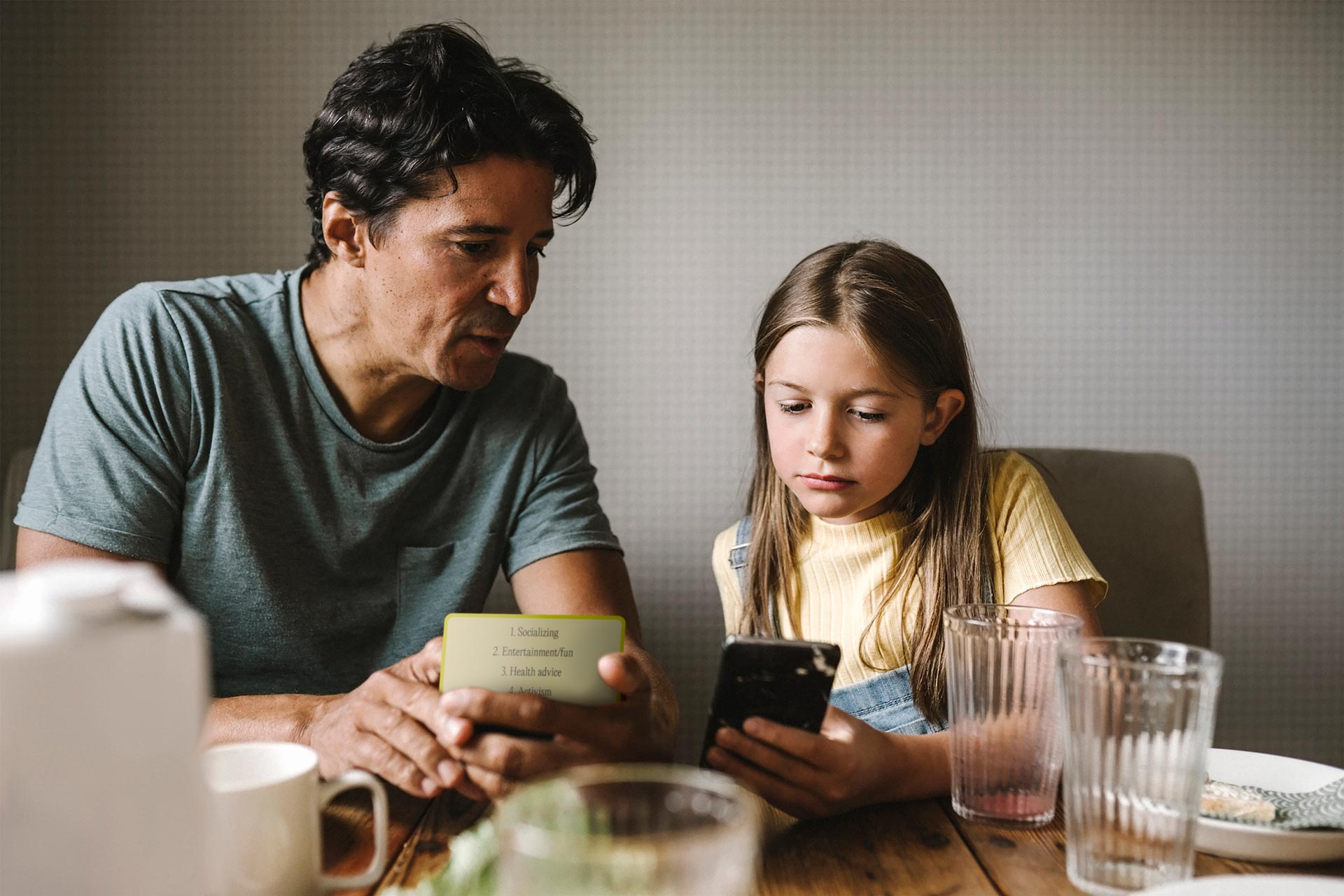
Many families find that Raising Digital Citizens conversation cards help these talks feel easier and more natural, offering gentle prompts that support children in putting their thoughts into words and noticing their own feelings without feeling questioned or corrected.
When embarrassment is more than a passing feeling
Embarrassment is part of being human, but it shouldn’t quietly grow into something heavier that your child carries alone.
Pay attention if you notice:
- Avoiding school, activities, or friends for long stretches
- Strong fear of being seen, heard, or photographed
- Frequent comments like “I’m stupid,” “Everyone hates me,” or “I can’t do anything right”
These can be signs that embarrassment has turned into deeper shame or anxiety. In those cases, extra support from you, another trusted adult, or a mental health professional can be really important.
Final thoughts for parents
In a world where a single misstep can be replayed, reshared, or even reshaped by AI, the most powerful protection your child has is not perfection, it’s connection. When they know deep down, “I can tell my parents anything, even the cringe stuff,” they are already safer, emotionally and digitally.
FAQs:
1. Is embarrassment normal for children?
Yes. Embarrassment is a normal and healthy emotion for children of all ages. It shows that kids care about connection, social rules, and how others see them.
- It often appears during social learning phases
- It can increase during adolescence and in online interactions
- It becomes easier to manage with support and practice
Embarrassment only becomes problematic when children don’t feel supported or safe talking about it.
2. How can I help my child when they feel embarrassed?
Start with connection before correction. In the moment, your calm presence matters more than advice.
Helpful steps include:
- Acknowledge their feelings without minimizing them
- Avoid joking or rushing to fix the situation
- Let them talk when they’re ready
Once emotions settle, you can gently explore what might help next time.
3. Why does embarrassment affect kids’ online behavior so much?
Online spaces can magnify embarrassment because moments don’t disappear quickly. Messages, images, or comments can linger or be shared again.
This can lead kids to:
- React impulsively
- Overshare to seek reassurance
- Stay silent when boundaries are crossed
Teaching kids to pause and reflect helps protect both their emotions and their digital safety.
4. What if my child refuses to talk about embarrassing moments?
This is very common. Many children shut down when they feel exposed or ashamed.
You can:
- Wait for a calmer moment instead of pushing right away
- Talk side-by-side (during a walk or car ride)
- Use shared prompts or scenarios to reduce pressure
The goal is to keep the door open without forcing conversation.
5. When should I worry about embarrassment becoming a bigger issue?
Occasional embarrassment is normal, but ongoing distress deserves attention.
Watch for signs such as:
- Avoiding friends, school, or activities for long periods
- Strong fear of being seen, judged, or photographed
- Persistent negative self-talk
If embarrassment starts affecting your child’s confidence or daily life, extra support can help.