







Parents today are raising children in a world where identity and connection are shaped in highly visible digital spaces. When kids show off on social media, it can feel confusing or even concerning, especially for those who value humility and genuine relationships. Yet, this behavior is rarely about vanity alone. It often reflects deeper emotional needs that children are still learning how to express.
Looking at this through a developmental lens helps shift the perspective. Social media is not just a platform for attention. It is also a place where children explore who they are and how they fit into the world. When parents pause to understand rather than react, these moments can become opportunities for connection instead of conflict.
What Does It Mean When Kids Show Off on Social Media?
Expression vs Attention-Seeking Behavior
When kids show off on social media, it is easy to interpret it as attention-seeking. For many children, it is simply a form of expression shaped by the tools they use every day. A post about an achievement or appearance often carries emotional meaning beyond what is visible on the surface.
In earlier years, children proudly shared drawings or small successes with family members. Social media expands that instinct into a wider audience. The difference is not the desire to share. It is the scale and visibility of that sharing.
It can help to recognize that what looks like showing off may actually include:
- Pride in something they worked hard for
- A desire to be noticed or acknowledged
- An attempt to connect with peers
- Curiosity about how others see them
Seeing these possibilities makes it easier to respond with curiosity instead of judgment.
How Social Media Shapes Identity Formation
Social media plays a significant role in how children form their sense of self. Feedback comes quickly and publicly. This can influence how they present themselves and what they choose to share.
Over time, children may begin to shape their online identity based on what receives the most attention. This does not necessarily mean they are being inauthentic. They are responding to the environment they are in.
Understanding this dynamic allows parents to stay engaged without assuming negative intent.

Why Kids Show Off on Social Media: The Emotional Drivers
The Need for Belonging and Acceptance
At the heart of this behavior is the need to belong, a developmental need that research identifies as central to adolescent social connection online. Children and teenagers are naturally drawn to social connection. Social media offers a space where that connection feels immediate and visible.
When they post content that highlights certain aspects of their lives, they are often seeking reassurance that they are part of the group.
In some cases, this behavior is shaped by experiences of online exclusion. Feeling left out can lead children to share more noticeable or impressive content in an effort to reconnect socially.
This behavior is not about showing off as much as it is about trying to feel included again.
The Desire to Feel Seen and Valued
Children have a strong need to feel noticed and appreciated. When daily life feels busy or disconnected, social media can become a place where that need is met quickly.
Positive responses online can feel like confirmation that they matter. While this is understandable, it can also become something they rely on more than intended.
Parents may notice that children are not just posting content. They are watching closely for reactions. This often reflects a deeper emotional need rather than a surface-level behavior.

The Influence of Peer Culture and Comparison
Living in a Comparison-Driven Environment
Social media creates a space where comparison happens constantly. Children are exposed to carefully selected highlights of others’ lives. This can quietly shape what they believe is normal or expected.
When kids show off on social media, they may be responding to this environment. They are trying to match what they see around them.
Some of the pressures children experience include:
- Wanting to appear successful or interesting
- Feeling the need to keep up with peers
- Comparing appearance, achievements, or lifestyle
- Trying to avoid being overlooked
Understanding this context helps parents see that the behavior is often influenced by external pressure.
Peer Validation and Its Emotional Impact
Peer approval becomes increasingly important as children grow older. Social media makes this approval visible and measurable.
Likes and comments can feel like indicators of worth, even though they are not reliable measures of self-esteem. Over time, children may begin to rely on this feedback to feel confident.
Gentle conversations about what truly makes them feel valued can help create balance. These discussions do not need to correct. They can simply invite reflection.
Monitoring Kids Online and Building Trust: Finding Balance
The Tension Between Awareness and Control
Many parents feel the need to stay aware of their child’s online activity. Monitoring kids online can provide reassurance, but it can also create tension if it feels intrusive.
Children are more likely to withdraw when they feel constantly observed. At the same time, complete disengagement can leave them without support.
A helpful way to think about this balance:
|
Approach |
Experience for Child |
Likely Outcome |
|
Constant monitoring |
Feels watched or restricted |
Less openness |
|
Open conversations |
Feels trusted and supported |
More sharing |
Children often share more when they feel safe, not when they feel controlled.
Respecting Children’s Privacy While Staying Connected
Children’s privacy supports their independence and confidence. Feeling trusted can encourage them to talk more openly about their experiences.
Staying connected does not require knowing everything. It involves being present and available.
When children feel respected, they are more likely to invite parents into their digital world naturally.
Everyday Moments That Reveal What Kids Are Really Feeling
When a Post Is About More Than It Seems
A post that looks like showing off may reflect something deeper. It could be pride, insecurity, or a desire to feel noticed.
Instead of focusing only on the content, it can help to consider the emotion behind it.
Questions that sometimes open conversations:
- What made you want to share that?
- How did you feel after posting it?
- What were you hoping people would notice?
These questions create space for understanding without pressure.
When Social Media Affects Self-Esteem
Children may feel disappointed when their posts do not receive the response they expected, a pattern linked to higher anxiety and mood challenges. These moments can feel small to adults but meaningful to them.
Acknowledging their feelings helps build trust. It also shows that their experiences matter.
Over time, these conversations can gently shift attention away from external validation and toward a more stable sense of self.
Supporting Healthy Digital Habits in Everyday Life
Encouraging Reflection Through Conversation
Children often benefit from being invited to reflect on their experiences. Conversations can explore what they enjoy about social media and what feels challenging.
Reflection can look like:
- Noticing how they feel before and after posting
- Thinking about why they share certain things
- Considering how others might experience their posts
This approach supports awareness without turning the conversation into rules.
Building Emotional Skills Through Daily Interactions
Strong emotional skills help children navigate social media with greater confidence.
When children understand and express their feelings, they are less likely to depend on external validation. Daily interactions at home play a key role in this process.
Simple actions that support this include:
- Listening without interrupting
- Naming emotions in everyday situations
- Sharing small moments of connection
- Being present during conversations
These moments build resilience over time.
Helping Kids Understand Connection Beyond Likes
Shifting Toward Meaningful Relationships
Social media can blur the line between visibility and connection. Helping children recognize the value of deeper relationships can bring clarity.
Conversations about real friendships can highlight what makes relationships meaningful beyond numbers.
This understanding adds balance. It helps children see that connection is not defined by likes alone.
Developing Awareness of Others’ Experiences
Children are still learning how their actions affect others, especially online. Building digital empathy helps them consider different perspectives.
This awareness supports more thoughtful behavior. It also strengthens relationships in both digital and real-life settings.
Understanding Trust and Openness in Digital Spaces
Why Children Engage Freely Online
Children often interact online with a sense of openness. This can sometimes feel surprising to adults.
This behavior is connected to how easily they trust online, especially in spaces that feel familiar or welcoming.
Talking about what makes interactions feel safe to them can build awareness. These conversations do not need to create fear. They can simply encourage thoughtful engagement.

Making Conversations Around Social Media Easier
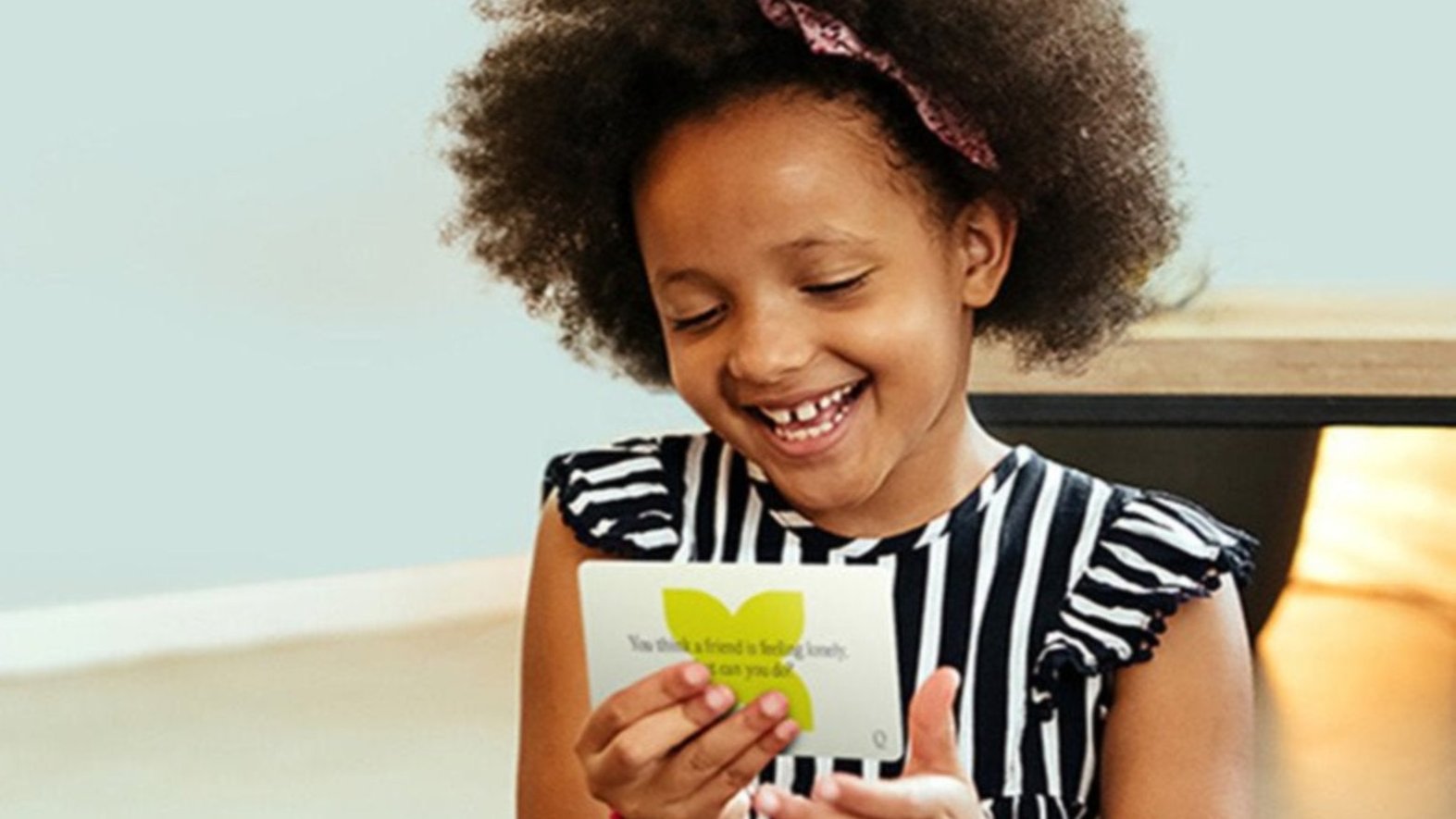
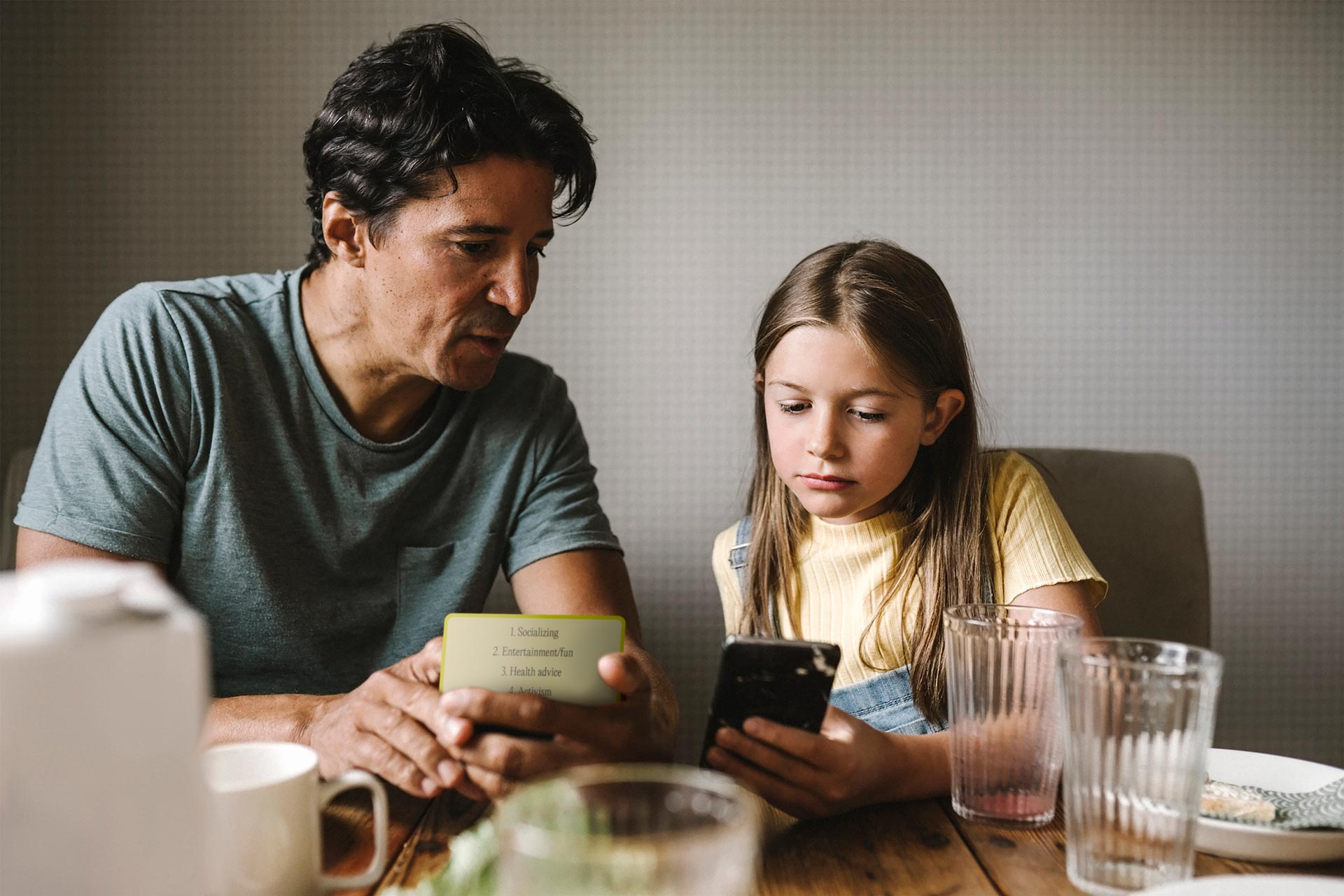
Talking about social media is not always easy, especially when emotions or misunderstandings are already present. In many families, these conversations begin to feel more natural when there is something gentle and structured to guide them, such as simple conversation tools that encourage open-ended sharing without pressure.
What matters most, however, is not the method but the tone. When children sense that they can speak without being judged or corrected immediately, they are far more likely to open up about what they experience online.
Over time, these small, consistent moments of dialogue help build trust. Conversations begin to flow more easily, and social media becomes less of a source of tension and more of a shared space for understanding.
Looking Beyond the Behavior
When kids show off on social media, they are often expressing something deeper than what appears on the surface. They are exploring identity, seeking belonging, and trying to understand how they are seen by others.
These behaviors are part of growing up in a digital world. They are not problems to eliminate but experiences to understand.
When parents stay curious and connected, they create space for children to grow with confidence. Over time, this connection becomes more meaningful than any form of external validation.

