




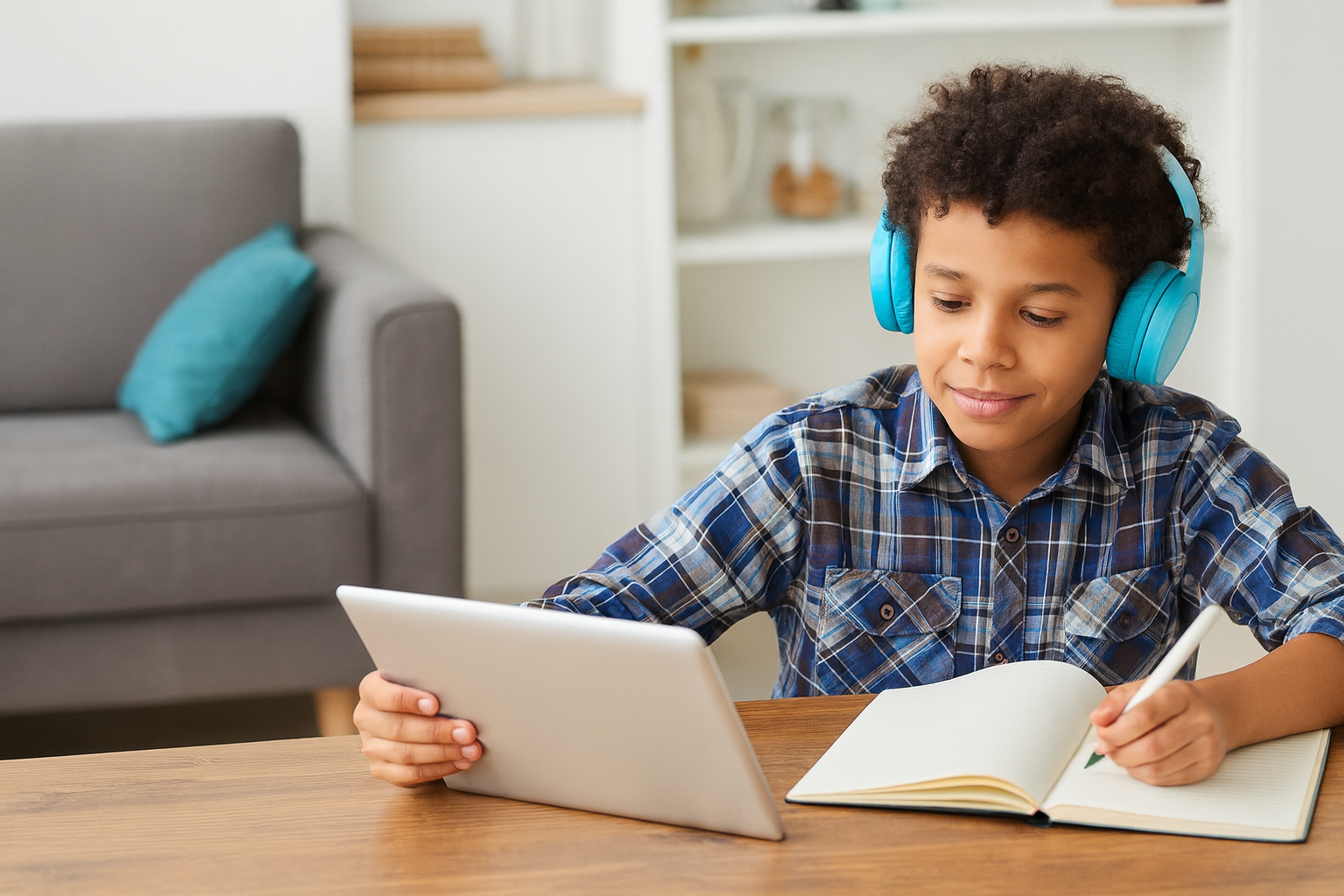



Screens have become a significant part of children’s lives, especially on school days. They are used for everything from homework and educational apps to entertainment and social media. While screens can provide valuable tools for learning and social connection, it’s important to consider how to use them in ways that support a child’s well-being, development, and overall balance.
As parents, the goal isn’t necessarily to restrict screen time but to ensure it doesn’t crowd out other important aspects of a child’s life. This article explores how you can think about screen time in a way that aligns with your family’s values and promotes balance, emotional connection, and healthy habits.

The Importance of a Healthy Screen-Time Routine
Understanding the Impact of Screen Time
Excessive screen time can have negative effects on children’s development, including physical, mental, and emotional health. Studies show that too much screen time can lead to issues such as poor sleep, reduced attention span, and increased stress or anxiety. However, when approached mindfully, screen time can offer valuable educational opportunities, creativity, and social connections. It’s all about balance.
Key concerns include:
- Sleep problems: The blue light from screens interferes with sleep patterns, affecting rest and focus.
- Mental health effects: Overuse of social media and gaming can lead to anxiety or depression.
- Attention and memory issues: Excessive screen time has been linked to shorter attention spans and difficulty concentrating.
Learning how to balance screen time with other activities can significantly enhance your child’s physical and mental well-being.Understanding balance between screen time and children's health is crucial for long-term development.
The Role of Screen Time in Sleep Patterns
A child’s sleep is crucial to their health and development. The more screen time they have, especially in the evening, the harder it is to wind down for bed. The blue light emitted from screens interferes with melatonin production, making it harder for children to fall asleep, which can delay bedtime and affect sleep quality. Research from the NIH confirms that excessive screen time, especially in the evening, significantly disrupts sleep patterns in children
When screen time becomes a habit before bed, it can:
- Delay bedtime: Extended screen use can delay the time it takes for children to fall asleep.
- Affect sleep quality: Even if children fall asleep late, they may not get restful sleep.
esearch shows that limiting screen time at least an hour before bedtime can help improve sleep quality. A study published in the Journal of ScienceDirect highlights that screen exposure, particularly at night, interferes with children’s sleep hygiene, impacting both sleep onset and sleep quality .Impact of screen time on sleep is a key consideration when establishing screen-time routines.
Creating a Healthy Screen-Time Routine for School Days

Setting Boundaries Around Screen Time
Navigating screen time doesn’t always have to mean setting rigid rules. Instead, it’s about reflecting on how screen time fits into the rhythm of your family’s day. Every family dynamic is different, and what works for one may not work for another. The goal is to create a balance that makes room for both screen time and other important daily activities, such as family time, schoolwork, and outdoor play.
When thinking about how to manage screen time, it’s helpful to recognize that:
- Screen time for academic purposes might look different from screen time for entertainment. For some families, the two might blend together seamlessly, while others might prefer to keep them separate.
- The idea of a healthy screen-time routine might evolve over time as children grow and their needs change. What works for a younger child may look different for a teenager who is navigating schoolwork, social media, and gaming.
Keeping in mind your child’s individual needs and interests will allow you to navigate screen time in a way that feels both balanced and flexible.
Balancing Educational and Recreational Screen Time
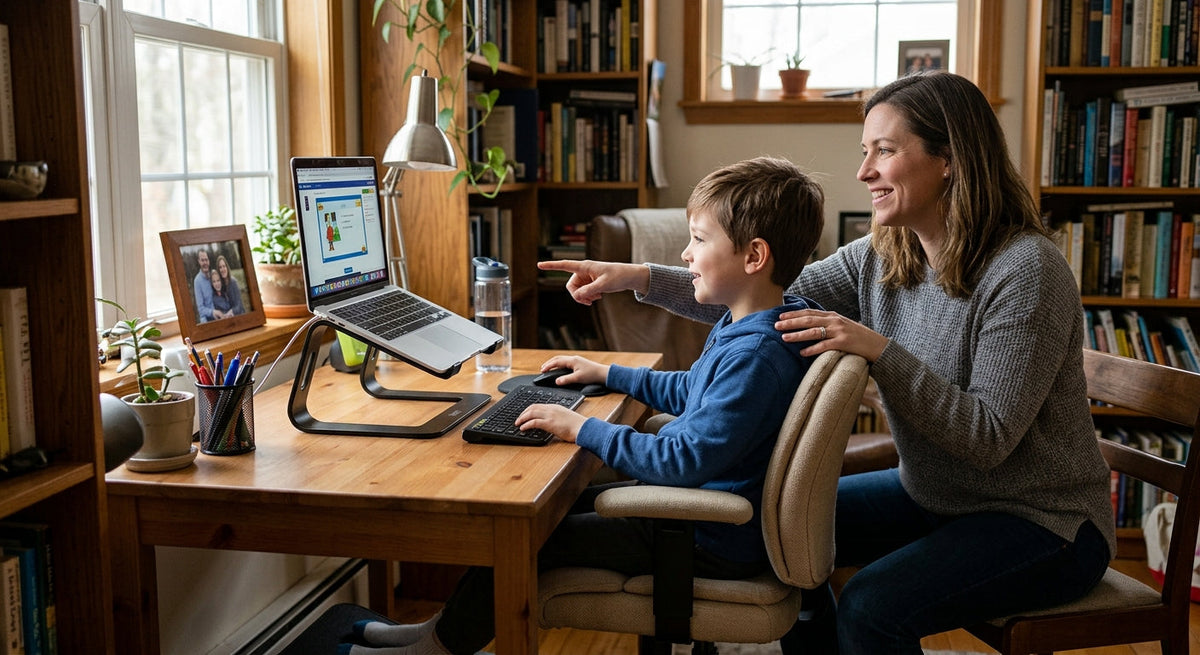
On school days, there are moments when screen time is necessary for homework or learning activities. However, after school hours, children may feel the need to unwind with games, videos, or social media. Striking a balance between these two can be challenging, but it’s often about finding what fits best into your family's daily rhythm.
Rather than trying to separate “good” screen time from “bad” screen time, it may be more helpful to think about:
- How long children are spending on screens for each purpose, whether for learning or recreation.
- Whether recreational screen time interferes with other important activities like physical play or spending time with family.
- The emotional impact that recreational screen time might have, whether it’s relaxing or overstimulating.
Ultimately, it’s about balancing these activities in a way that doesn’t overwhelm a child’s day.
|
Activity Type |
Screen Time Duration |
Impact |
|
Educational Screen Time |
Up to 2 hours/day |
Supports learning but needs to be balanced with offline activities. |
|
Recreational Screen Time |
30-60 minutes after school |
Aids relaxation but should not replace physical or social activities. |
Encouraging Healthy Screen Time Habits for Kids

Building Healthy Habits Together
Healthy habits don’t develop in isolation; they are often a product of a family’s shared routines and values. One way to encourage your child to build positive habits around screen time is to model the behaviors you’d like them to adopt.
When families engage in shared activities like movie nights or educational games, it creates space for connection, learning, and fun, without over-relying on screens. These shared moments can help set the tone for healthy habits.
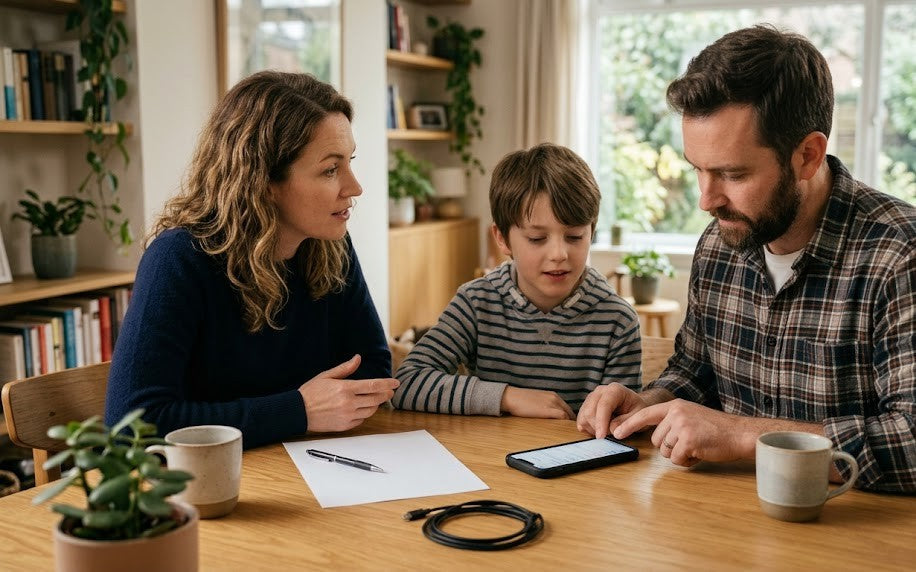
Another way to build healthy habits is through open discussions about technology, setting a foundation of understanding and respect. By explaining why balance is important, children are often more willing to engage in habits that are in line with family values.
Non-Screen Activities for Balance
While screens can be a valuable tool, non-screen activities are essential for promoting physical, emotional, and cognitive well-being.
- Physical Activity: Encourage your child to spend time outside, whether it’s playing sports, riding a bike, or simply going for a walk. These activities help keep them physically healthy while also providing a break from screen use.
- Creative Play: Drawing, building with blocks, or playing with toys engages a child’s imagination and supports cognitive development. These activities also provide a break from the overstimulation that can come from screens.
- Family Time: Whether it’s a shared meal or playing board games, family time without screens fosters emotional connection and quality bonding.
Incorporating offline activities into a daily routine can create a healthier balance between screen time and other enriching experiences.
Navigating Screen Time Challenges
Handling Resistance to Screen-Time Limits
It’s natural for children to resist limits on screen time, especially if they are accustomed to more freedom. Rather than using strict enforcement, it’s helpful to approach screen-time limits with understanding and empathy.
- Open discussions about screen-time limits can help children understand why these boundaries are important for their well-being.
- Finding ways to make limits feel like a cooperative effort rather than a strict rule may reduce resistance.
When children feel that they have a voice in how screen time is managed, they are more likely to respect the boundaries set by their parents.
Social Media and Gaming
As children grow older, they may start using social media or engaging in online gaming. These activities can offer opportunities for social connection, but they can also pose challenges for parents.
- Social Media: Conversations about privacy, self-esteem, and the emotional impacts of social media use can help children navigate these platforms safely.
- Online Gaming: While gaming can be fun and a source of relaxation, balancing it with other activities ensures it doesn’t become all-consuming.
These digital experiences are a normal part of growing up, but they still require guidance to ensure they don’t negatively impact a child’s health or well-being.
|
Activity |
Potential Concerns |
Guidance for Parents |
|
Social Media |
Privacy issues, emotional impact |
Have open discussions about privacy, self-esteem, and emotional well-being. |
|
Online Gaming |
Excessive time, emotional stress |
Set limits on gaming time and balance it with other activities like outdoor play or reading. |
Evolving Screen-Time Routines Over Time

As children age, their relationship with screens will naturally evolve. What works in early childhood may need to be adjusted as they grow into their teenage years. It’s important to regularly reflect on how screen time fits into your family’s routines and be open to changes.
Flexibility in how screen time is managed allows families to adjust as their child’s interests, school responsibilities, and social activities evolve. Regular conversations about how technology fits into daily life help ensure that the routine stays balanced and relevant as your child grows. The MDPI review emphasizes that regularly reassessing screen-time habits is key to supporting a healthy digital balance as children transition through different stages of development
Creating a Screen-Time Routine that Works for Your Family
A healthy screen-time routine isn’t about rigid rules or strict limits, it’s about finding a balance that works for your family’s lifestyle and needs. By modeling healthy screen-time habits, encouraging offline activities, and adapting to changes as children grow, parents can help their children develop a mindful, balanced relationship with technology.
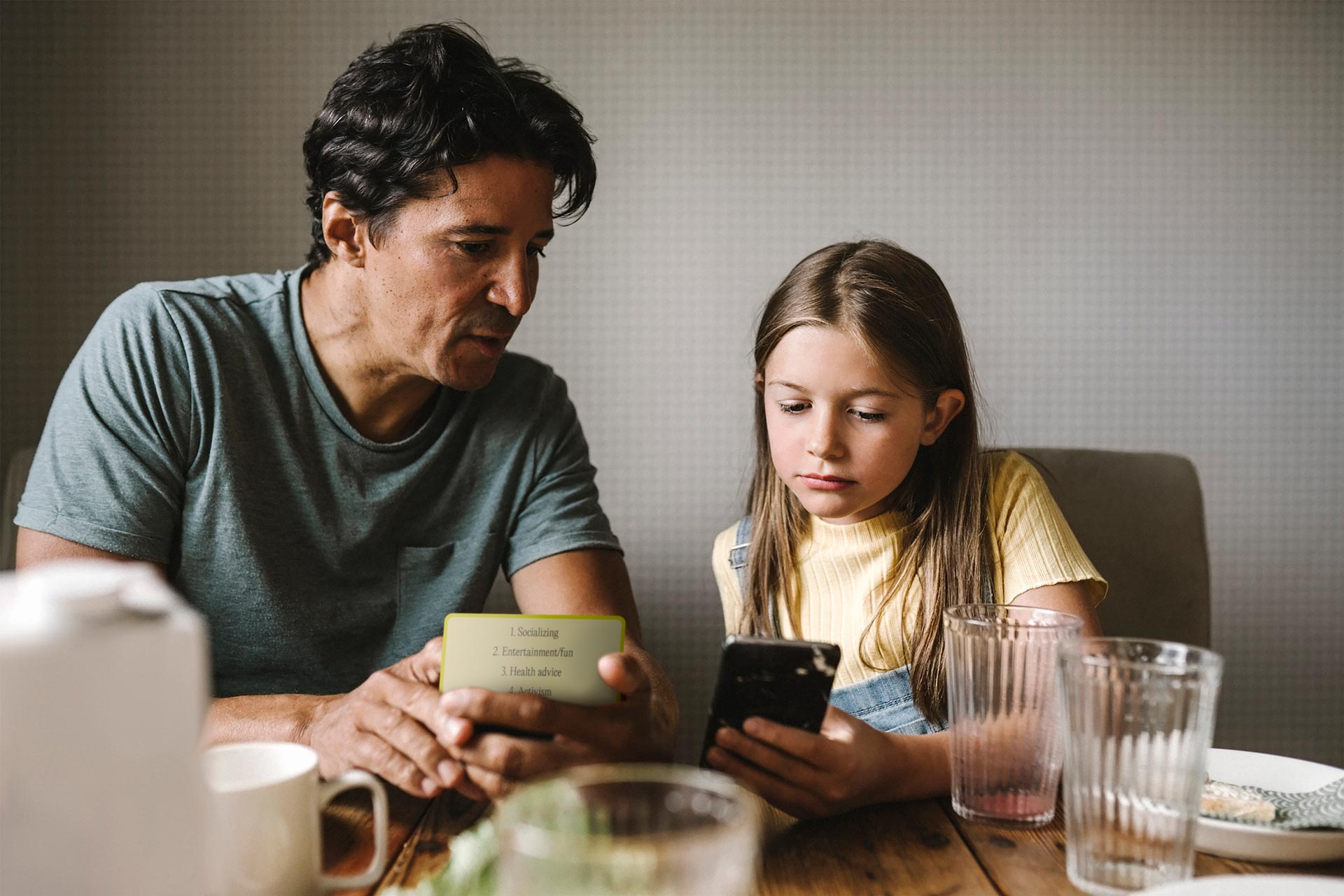
For families looking to dive deeper into fostering these conversations, tools like the Conversation Cards Starter Set can provide a fun and engaging way to initiate discussions on technology use.
Through thoughtful reflection and ongoing adjustments, parents can guide their children toward a healthier, more balanced screen-time routine that works for everyone.
FAQs
1. How can I limit my child’s screen time without causing resistance?
Limiting screen time is often met with resistance from children, especially when they are used to unrestricted access. The key is to approach the situation collaboratively. Instead of imposing strict rules, involve your child in the decision-making process. This will help them understand why limits are necessary and encourage them to cooperate.
- Involve children in setting screen-time boundaries.
- Explain the reasons behind the limits, such as better sleep or more time for other activities.
- Use positive reinforcement for following the rules.
- Encourage open conversations about screen-time preferences and concerns.
2. How can I keep screen time educational without overloading my child?
Screen time can be educational, but it's important not to overload your child with too many apps or online lessons. Aim to incorporate learning apps or videos that align with your child's schoolwork or interests. However, balancing screen-based learning with offline activities, such as reading or creative play, will provide a well-rounded experience.
- Choose educational apps or games related to school subjects.
- Limit screen time to educational content to prevent overload.
- Mix in offline activities like reading, crafts, or puzzles.
- Balance screen time with social activities or family time.
3. What are the best ways to balance screen time with physical activity?
Encourage physical activity before or after screen time to balance it out. Activities like outdoor play, walks, or sports can help children stay active and healthy while still enjoying screen time in moderation.
4. How do I know if my child is spending too much time on screens?
If your child seems tired, irritable, or distracted, it may indicate too much screen time. Monitor their behavior, sleep patterns, and focus on school to assess whether adjustments are needed.
5. How much screen time is appropriate for school-age children?
For school-age children (6-12 years), aim for no more than 1-2 hours of recreational screen time per day. This should be separate from any educational screen time related to schoolwork or learning.