




Work is changing fast. Artificial intelligence, constant connectivity, and new kinds of jobs are already shaping the world our children will grow into. Many of us feel the pressure of that, because it is not always clear how to prepare them for a future that looks so different from our own.
That is why digital citizenship matters so much. When children learn to question what they see online, speak with care, recover from mistakes, and ask for help when something feels wrong, they are building judgment, empathy, resilience, and curiosity. These are the human skills that will help them not only online, but also in school, in relationships, and eventually at work.

Why does digital citizenship matter for the future of work?
Work is changing quickly, but not in a way that makes human qualities less important. The World Economic Forum reports that by 2030, job disruption will affect 22% of today’s jobs, with 170 million new roles created and 92 million displaced. At the same time, employers increasingly point to creative thinking, resilience, flexibility, and curiosity as rising priorities.
That can sound like a problem for older students or adults. In reality, the foundation starts much earlier.
Children build future-ready habits long before they enter the workplace. They build them when they pause before sending a message, when they notice that a video may be misleading, when they work through friendship tension, or when they keep trying after getting something wrong.
Those moments help shape the human-centered skills that are harder for machines to copy and harder for schools alone to teach consistently.
What skills are children really practicing online?
Digital life gives children repeated practice in skills that matter both now and later. That includes:
- critical thinking
- communication
- empathy
- self-regulation
- resilience
- curiosity
- decision-making
This is one reason digital citizenship basics matter so much. The goal is not only to help children stay safer online, but to help them become thoughtful people who can bring good judgment and care into connected spaces.
Why are parents so important in this process?
Schools matter deeply, but they cannot carry all of this on their own. The WEF paper notes that while many education systems name communication, critical thinking, and creativity as priorities, these skills are not always embedded or tracked consistently.
It also cites OECD findings showing that 30% of teachers of 15-year-olds had no training in incorporating social and emotional skills into classroom practice, and 40% lacked training to monitor them regularly.
That does not mean parents need to become experts in everything digital. It means family conversations matter more than ever.
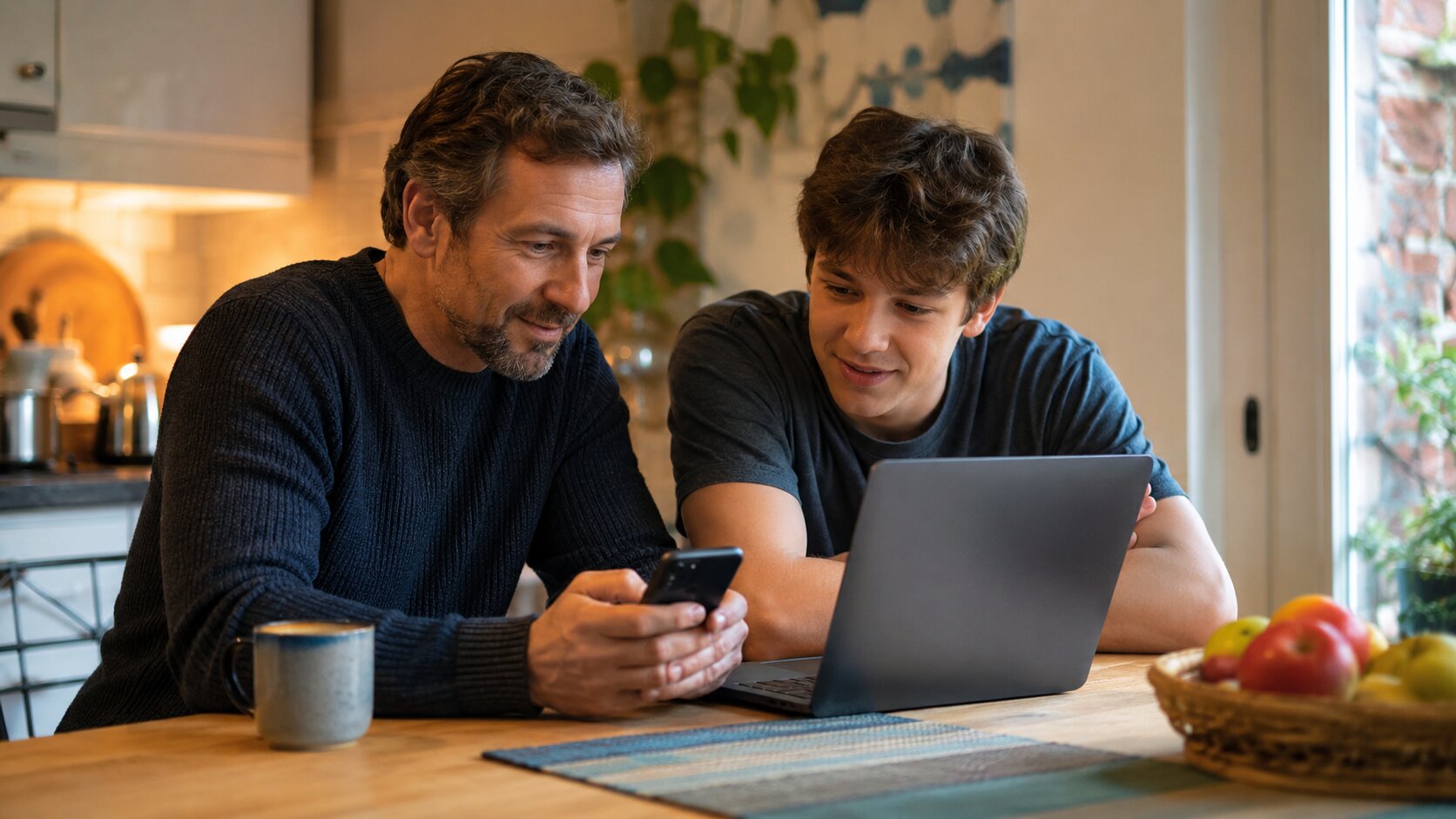
A calm talk after a confusing message. A shared reflection on whether a source feels trustworthy. A chance to repair instead of hide after a mistake. These moments teach children that using technology well is part of living well with others.
|
What children practice online |
What it builds over time |
Why it matters for the future of work |
|
Questioning what they see |
Critical thinking |
Helps them assess information, make decisions, and avoid being misled |
|
Communicating in chats and comments |
Clear communication |
Supports teamwork, collaboration, and professional relationships |
|
Managing online conflict or mistakes |
Resilience |
Helps them recover, adapt, and respond calmly under pressure |
|
Navigating privacy and boundaries |
Judgment |
Strengthens decision-making and personal responsibility |
|
Learning new tools and platforms |
Curiosity |
Builds the habit of adapting as technology and work keep changing |
How does digital citizenship build critical thinking?

Critical thinking is one of those phrases that can sound lofty until you see what it looks like in family life. Often, it is very simple.
It is a child asking, “Is this actually true?” before sharing a post. It is noticing when a headline is designed to stir panic. It is slowing down long enough to ask who made something, why they made it, and what may be missing.
OECD’s PISA 2022 results found that fewer than half of students frequently ask questions when they do not understand what is being taught, and only 44% reported carefully reviewing their homework. Those habits matter because they reflect how children monitor their thinking, seek clarification, and stay engaged when something is not immediately clear.
What can critical thinking sound like at home?
A few questions can open up much better conversations than a quick “Don’t believe everything online.”
You might ask:
- Who made this?
- What do they want you to think or do?
- Does anything here feel exaggerated?
- What else would you need to know before trusting it?
- Should we check another source together?
That kind of steady questioning supports both safety and maturity. It also connects closely with questioning online content, because children need practice with these habits in ordinary moments, not only after something has gone wrong.
Why is critical thinking a future skill, not just a school skill?
As AI tools become more common, children will grow up in a world where polished answers can appear instantly. Some will be helpful. Some will be wrong. Some will be misleading in ways that are hard to spot at first glance.
That is why critical thinking still matters so much. Technical fluency helps, but it is judgment that helps children decide what to trust, what to challenge, and when to ask for help. Employers are signaling the same thing: analytical thinking remains one of the most valued core skills, alongside creativity and resilience.
How can digital life strengthen empathy and communication?

Children do not leave their feelings at the door when they go online. Messages, comments, gaming chats, and shared photos all affect relationships in real ways.
Because tone can be hard to read online, children need help learning how words land, how misunderstandings grow, and how to respond without adding more harm. This is not about getting every message perfect. It is about helping children become more aware of the people on the other side of the screen.
The WEF identifies empathy, active listening, leadership, and communication as core human-centered skills that support teamwork and inclusion. It also notes that many of these skills remain difficult to automate because they depend on context, lived experience, and human judgment.
What helps children communicate better online?
Many parents find it useful to return to a few grounding questions:
- How might that message feel to receive?
- What do you think they meant?
- Is there a kinder or clearer way to say this?
- Would you say this the same way face to face?
Those kinds of prompts help children slow down and reflect. They also fit naturally with online empathy in practice, because kindness online is not about performance. It is about learning to stay connected to other people even when a screen sits in the middle.
What does resilience look like in digital parenting?

Resilience is often misunderstood as toughness. For most children, it looks more like recovering, reflecting, and trying again.
Online life gives children many chances to practice this. A message gets misread. A post feels embarrassing later. A game chat turns sour. A child believes something they should not have trusted. These are stressful moments, but they can also become learning moments when adults respond with steadiness.
The WEF’s human-skills paper notes that resilience, flexibility, and agility are among the fastest-growing skills in demand. At the same time, these skills can weaken without practice and support, which is one reason everyday relationships matter so much.
How can parents respond without shutting down the conversation?
Children are more likely to stay honest when they feel they can bring us the messy truth.
That is why being real with children matters so much in digital parenting. A calm response does not excuse poor choices, but it does make repair more possible. When children feel they can come to us after something awkward or upsetting, they build both safety and resilience.
What practical habits help children become more future-ready?
It helps to focus less on grand speeches and more on repeatable habits. Children usually learn best through rhythm, not intensity.
Here are a few habits worth building at home:
- pause before replying when emotions are high
- check a second source before trusting dramatic claims
- ask for help when something feels confusing or off
- talk openly about mistakes and what can be repaired
- notice how algorithms, ads, and social pressure shape attention
- practice respectful disagreement without humiliation
That last point matters more than it may seem. Social platforms are designed to pull attention, trigger reaction, and keep people engaged. Helping children understand how feeds shape choices gives them a better chance of staying thoughtful inside systems designed for speed and emotion.
Which everyday digital moments are building future work skills?
|
Everyday moment |
Skill being practiced |
Helpful parent response |
|
A suspicious text or call appears |
judgment, boundaries |
“Pause first. You do not need to respond right away.” |
|
A child shares something inaccurate |
critical thinking, repair |
“What made it seem believable at first?” |
|
A group chat turns tense |
empathy, communication |
“How do you think everyone is reading this?” |
|
A child feels embarrassed after posting |
resilience, self-awareness |
“What can you learn from this, and what needs repairing?” |
|
A new app or tool becomes popular |
curiosity, reflection |
“What should we understand before using it?” |
This is also why handling suspicious messages belongs in the same conversation as future readiness. A child who learns to pause, question, and seek support is learning far more than scam prevention. They are learning how to respond well under pressure.
How can parents guide without becoming controlling?
Most of us do not want a home built around lectures, panic, or power struggles. We want children who can think for themselves while still feeling close enough to come to us.
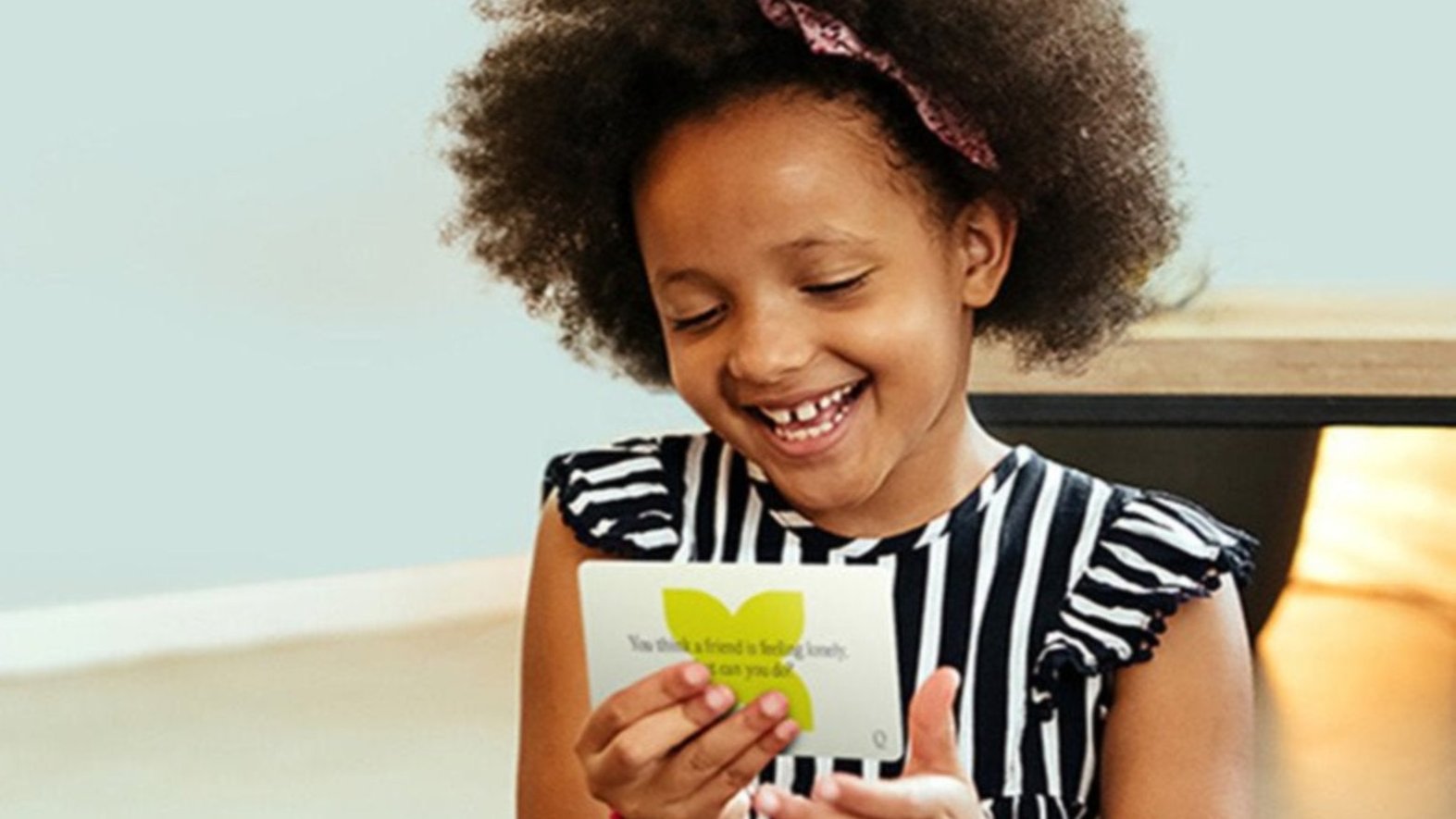
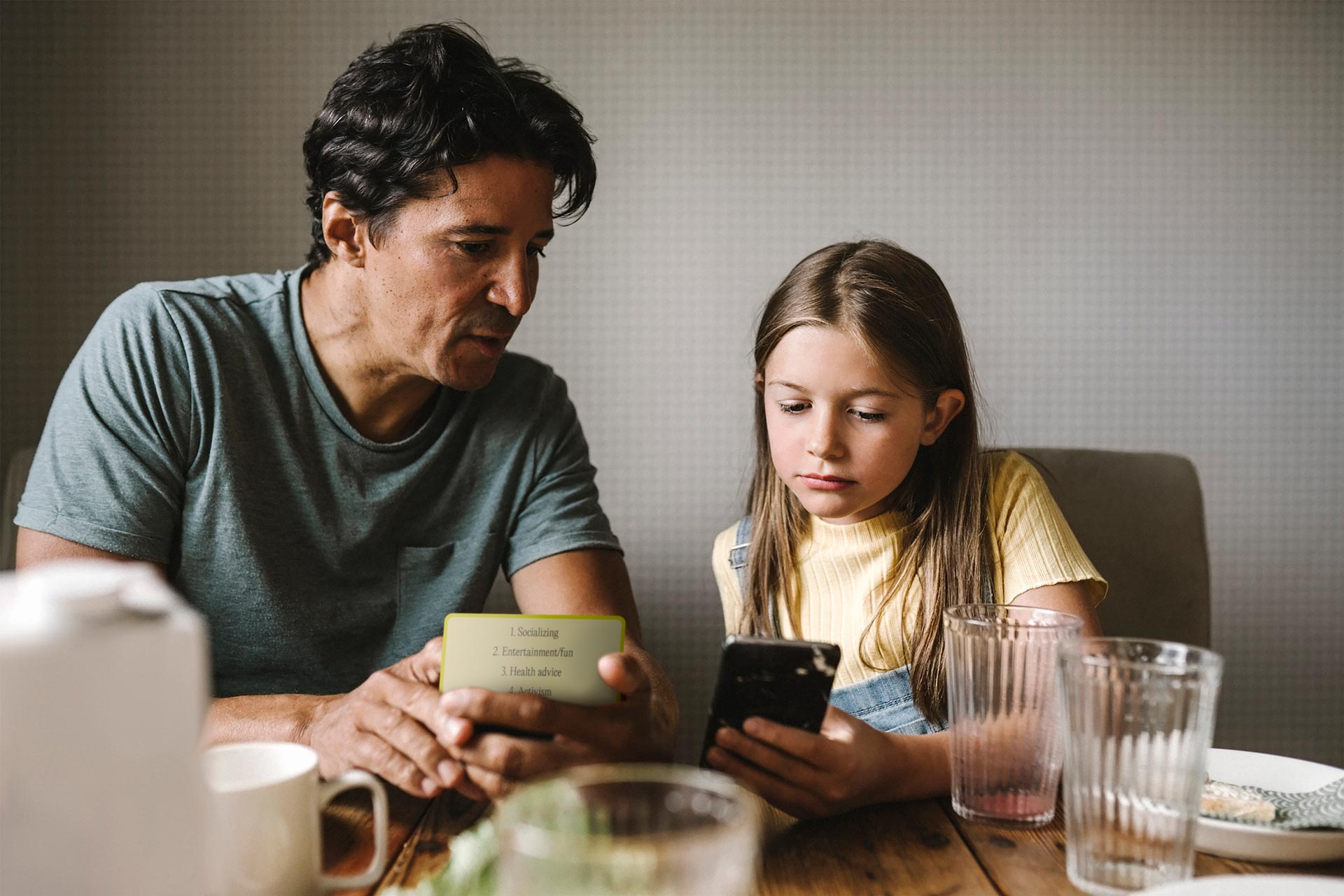
That is why guidance works better when it feels relational rather than reactive. Clear expectations matter, but so do warmth, flexibility, and room for discussion, and guided conversation cards can help make those moments feel more natural and less pressured.Trustable guidance like RDC emphasizes closeness, trust, and repair rather than hostility or shame when things go wrong.
Children also learn from what they see us do. Whether we pause before reacting, put devices down, question dramatic content, or admit when we got something wrong those patterns become part of their learning too.
What matters most moving forward

We cannot predict every tool, platform, or job our children will meet in the years ahead. What we can do is help them build the human qualities that carry across all of it, good judgment, empathy, resilience, curiosity, and the confidence to keep learning.
That work often begins in ordinary digital moments. When we treat those moments as chances to talk, reflect, and stay connected, we are not only helping children navigate life online. We are helping them grow into thoughtful, capable people who will be better prepared for the future of work and for life beyond it.