





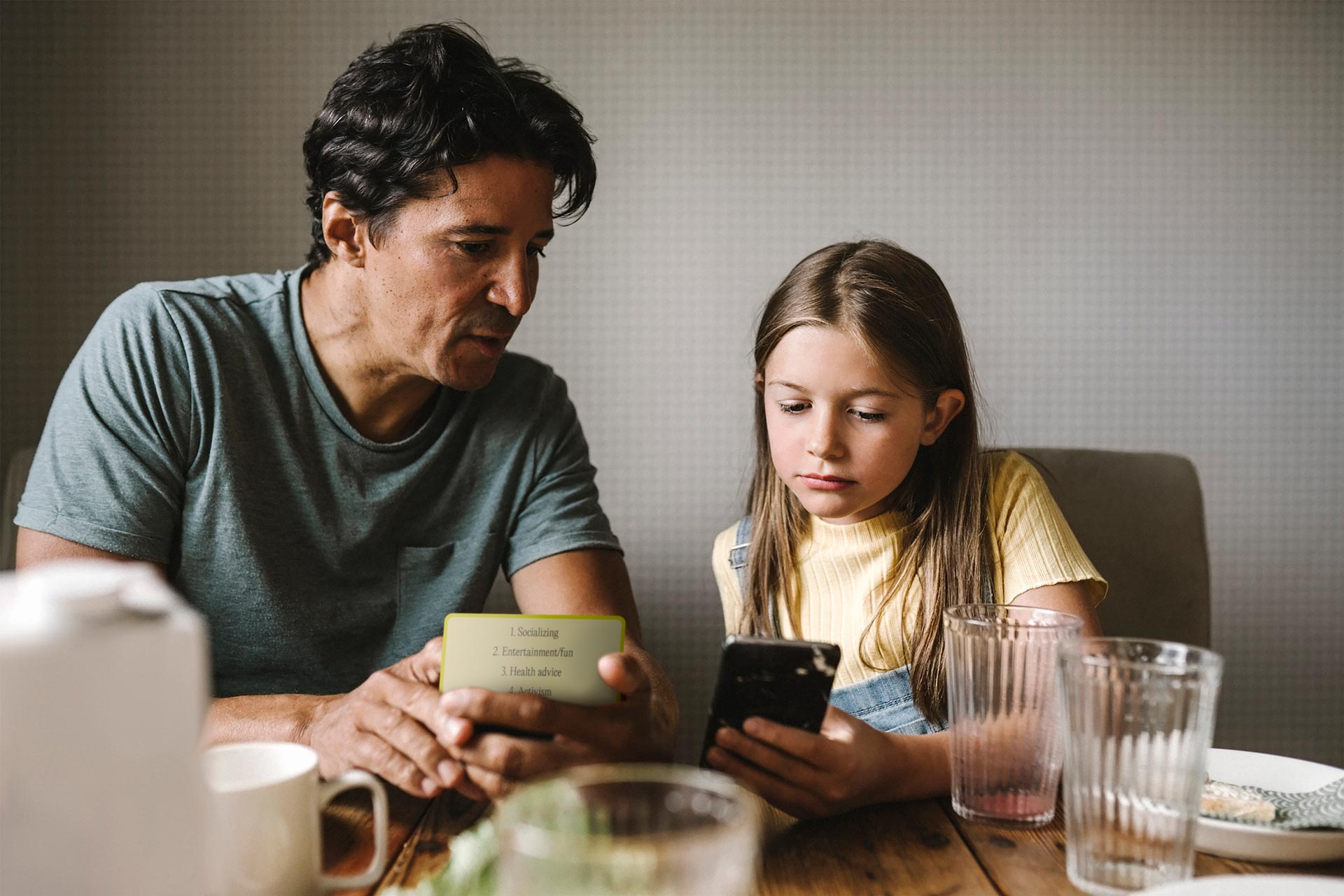


Children today form many of their friendships online, where interactions feel immediate, personal, and meaningful. For parents, this adds a new responsibility that goes beyond setting rules. It involves helping children understand how relationships work in digital spaces.
The challenge is that manipulation rarely looks dangerous at first. It often begins with kindness, attention, or shared interests, making it difficult to recognize. This is why learning to teach kids about online safety through awareness, not control, is more effective.
When children understand trust, boundaries, and emotional influence, they are better prepared to navigate online relationships safely. This understanding grows through ongoing conversation and shared reflection.

Why Kids Trust So Easily in Online Friendships
The Emotional Nature of Digital Connections
Online spaces allow children to connect quickly with others who share their interests, often through games, chats, and social platforms where online grooming can occur. Whether it is a game, a group chat, or a social platform, these interactions can feel immediate and personal.
When someone:
- Listens closely
- Responds quickly
- Shows appreciation
It creates a strong emotional bond. It is not surprising that many children trust quickly in these environments. They are responding to emotional signals, not evaluating risk. This is a normal part of development.
What Manipulation Looks Like in Online Friendships
It Often Feels Like Friendship at First
Manipulation online is rarely obvious at the beginning. It often looks like genuine friendship. A person may:
- Offer frequent compliments
- Show strong interest in the child’s life
- Present themselves as understanding or supportive
Over time, the tone can shift. The same person may begin asking for more attention, more information, or more secrecy. Recognizing this gradual change is a key part of spotting manipulation online.
Signs of Manipulation in Online Chats

When Pressure Becomes Part of the Relationship
One of the most common signs of manipulation in online chats is emotional pressure. It may not feel aggressive, but it creates a sense of obligation.
Children might hear statements like:
- “If you trust me, you would tell me.”
- “Don’t tell anyone, they wouldn’t understand.”
- “You’re the only one I can talk to.”
These phrases make the child feel responsible for maintaining the relationship.
How Urgency and Fear Influence Decisions
Manipulation often relies on urgency. When children feel rushed, they are less likely to think clearly.
Some common patterns include:
- Being asked to respond immediately
- Being told something must stay secret
- Feeling like they cannot take time to think
These urgency tactics reduce a child’s ability to pause and reflect.
When Control Starts to Appear
In some cases, manipulation begins to look like control. This can overlap with cyberbullying signs.
Examples include:
- Getting upset when the child talks to others
- Expecting constant replies
- Using guilt or anger to influence behavior
Recognizing these patterns supports stronger online friendships safety for children.
Helping Kids Understand Healthy vs Unhealthy Online Relationships

What Healthy Connections Feel Like
Children benefit from knowing what a safe relationship feels like, not just what to avoid.
Healthy online friendships usually include:
- Respect for boundaries
- No pressure to share personal information
- Freedom to say no
- A sense of comfort and safety
These experiences support safe social media habits for kids.
What Unhealthy Interactions Feel Like
Unhealthy interactions often feel confusing rather than clearly dangerous.
Children may feel:
- Pressured to respond or agree
- Worried about upsetting the other person
- Unsure about what is happening
Sometimes situations begin as online misunderstandings, but they can develop into patterns of control. Helping children notice this difference builds awareness.
Quick Comparison for Clarity
|
Healthy Interaction |
Unhealthy Interaction |
|
Open and honest |
Secretive |
|
Respects boundaries |
Pushes limits |
|
Calm and comfortable |
Confusing or stressful |
|
Allows independence |
Creates pressure |
Talking With Kids About Online Safety in a Natural Way
Making Conversations Part of Everyday Life
Discussions about how to talk to kids about internet safety do not need to feel formal. Children often respond better when conversations happen naturally.
Simple moments can open the door:
- Talking about a game they enjoy
- Asking about someone they chatted with
- Discussing something interesting they saw online
These everyday interactions create opportunities for deeper conversations.
Creating Space for Honest Sharing
Children are more likely to open up when they feel safe from judgment.
This means:
- Listening without interrupting
- Avoiding immediate reactions
- Staying calm even when something feels concerning
This kind of environment strengthens cyber safety for children because it encourages openness.
Practical Ways to Help Kids Recognize Manipulation
Using Real Experiences as Learning Moments
Real situations are more effective than hypothetical warnings. When something unusual happens online, it can become a learning opportunity.
Instead of correcting immediately, parents can:
- Ask what happened
- Explore how the child felt
- Discuss possible responses together
This helps children build critical thinking skills.
Encouraging Awareness of Feelings
Emotions are often the first sign that something is not right.
Children can learn to notice:
- Feeling uncomfortable
- Feeling pressured
- Feeling confused
This awareness is essential for recognizing online grooming behaviors, which often rely on emotional influence.
What Kids Can Do When Something Feels Wrong
Keeping the Response Simple
Children do not need complicated instructions. What matters is that they feel able to pause and step away.
Helpful actions include:
- Stopping the conversation
- Taking time before replying
- Talking to a trusted adult
These steps support both safety and confidence.
When Children Feel Stuck
Sometimes children do not react at all in difficult online situations. They may feel unsure, overwhelmed, or unable to decide what to do next. This is often a freeze response, which is a natural reaction to stress rather than a sign that they are ignoring the problem.
When parents understand this response, it becomes easier to meet children with patience instead of frustration. A calm and supportive approach helps children process what happened and feel safe enough to talk about it afterward.
Supporting Ongoing Conversations at Home

Keeping the Dialogue Open
Online safety is not a one-time discussion. As children grow, their experiences change.
Regular conversations help children:
- Feel supported
- Reflect on their experiences
- Ask questions when needed
Making Conversations Easier to Start
Sometimes children need a gentle starting point before opening up about their online experiences. Conversations often flow more naturally when they are part of everyday interactions rather than formal discussions. Small prompts, shared moments, or simple questions can lower resistance and make children feel more comfortable expressing themselves.
- Talking about a game or app they enjoy
- Asking about someone they chatted with
- Reflecting on something interesting they saw online
Tools like family conversation cards can support these moments by introducing topics in a way that feels safe and engaging. Over time, consistent, low-pressure conversations build trust and make it easier for children to share openly.
Raising Awareness, Not Fear
Helping children navigate online friendships is not about controlling every interaction. It is about building awareness and confidence.
When children learn to:
- Recognize patterns
- Trust their instincts
- Talk openly about experiences
they become better prepared to handle complex situations.
The goal is not just to teach kids about online safety, but to support them in becoming thoughtful and resilient individuals, aligning with broader principles of internet safety practices. who can build healthy relationships both online and offline.
Frequently Asked Questions (FAQs)
1. How can I teach my child to recognize manipulation online?
Teaching children to recognize manipulation starts with helping them understand how relationships feel, not just how they look. When children can identify pressure, secrecy, or discomfort, they are more likely to pause and question the interaction.
You can support this by helping them notice patterns such as:
- Feeling pressured to respond quickly
- Being asked to keep secrets
- Receiving excessive compliments that feel intense
- Being encouraged to share personal information
2. What are the early signs of manipulation in online friendships?
Early signs are often subtle and easy to overlook. Manipulation usually begins with friendly behavior and gradually shifts into control or pressure.
Some common early indicators include:
- Conversations becoming more private or secretive
- Someone asking for increasing levels of personal information
- Emotional statements that create guilt or obligation
- A sudden increase in attention or intensity
3. What should my child do if someone is manipulating them online?
Children need simple actions they can remember. The most important step is to pause and not respond right away. This helps reduce pressure and gives them time to think. They should also feel comfortable turning to a trusted adult, knowing they will be supported and not blamed.
4. Are online predators always strangers?
No, not always. Some people build trust over time and may seem friendly or familiar. What matters most is behavior, not identity. If someone asks for secrecy, applies pressure, or requests personal information, those are warning signs regardless of who they appear to be.
5. How can I build my child’s confidence to say no online?
Confidence develops when children feel supported and respected in their choices. When they know they can say no without consequences, they are more likely to do so in difficult situations.
You can encourage this by helping them:
- Practice simple phrases like “I’m not comfortable”
- Understand that they do not owe anyone a response
- Recognize that safe relationships respect boundaries
- Feel reassured that they can always ask for help