





Every generation has had trends. The difference today is not that kids care more, it's that trends follow them everywhere.
They don’t stop at school. They live in group chats, on TikTok feeds, in gaming platforms, and in the subtle language of likes and comments. A hairstyle, a skincare routine, a phrase, or even a political opinion can spread overnight. And when something spreads that quickly, it can start to feel less like a choice and more like a requirement.
As a parent, it can be confusing to watch. You may find yourself wondering: Why does this matter so much? Why does my child feel so strongly about keeping up?
The answer is rarely about the trend itself. It is about belonging, identity, and the invisible social systems shaping what feels “normal.”

Key takeaways
- Trend pressure intensifies due to algorithm-driven visibility, making popular behaviors appear universal and socially required.
- Children tie trend participation to belonging, identity development, and fear of exclusion during critical social growth stages.
- Influencer marketing and curated content blur advertising and authenticity, increasing comparison and commercial pressure.
- Parental curiosity, open dialogue, and strong offline identity anchors reduce emotional strain from trend culture.
Why trends feel bigger and louder than they used to
Algorithms make certain trends feel universal
Social media platforms are designed to show us what keeps us engaged. When a dance, product, or challenge performs well, it is pushed to more users. The more engagement it gets, the more visible it becomes.
This creates a powerful illusion: it can look like everyone is doing the same thing.
Children don’t see the algorithm behind the scenes. They see repetition. And repetition creates perceived popularity.
When a trend shows up again and again in their feed, it feels:
- Common
- Expected
- Socially important
That dynamic is deeply connected to how platforms are built to shape attention, something explored further when discussing how social media feeds are curated. Understanding this helps parents shift the conversation away from “Why do you care so much?” to “I see why this feels everywhere.”
The speed of online culture
In the past, trends unfolded slowly. Today, they move at digital speed.
A sound clip can become viral in hours. A new beauty routine can trend globally in a day. A joke in a group chat can feel outdated by tomorrow.
For kids, this speed creates urgency. Missing a few days online can feel like missing an entire cultural moment. That urgency fuels pressure not necessarily because they love the trend, but because they fear being left behind.
Belonging is not optional for kids

Peer approval feels like safety
During childhood and adolescence, belonging is not superficial. It is biological and developmental. Kids are wired to seek inclusion.
If a group bonds over something a style, a show, a trend participation can feel like a ticket into connection.
When children don’t recognize a reference or haven’t tried something popular, they may quietly worry:
- “Will I seem different?”
- “Will they think I’m weird?”
- “Will I be left out?”
These concerns are rarely dramatic. They are often subtle. But they matter deeply.
The emotional impact of exclusion in digital spaces can be especially intense, something reflected in conversations about how online exclusion affects kids. When participation becomes a signal of belonging, trend pressure naturally increases.
Social media and the comparison loop
Seeing highlight reels all day
Children today compare themselves not just to classmates, but to curated online personas.
Trends often center around:
- Appearance
- Lifestyle
- Achievement
- Consumption
When kids scroll through polished content, they are not comparing themselves to average reality. They are comparing themselves to edited versions of others.
Over time, this creates a subtle internal message:
“If I don’t look like that or have that, I might not measure up.”
This doesn’t always show up as dramatic insecurity. Sometimes it shows up as persistent wanting. A sense that something is always slightly missing.
The identity gap
Psychologists often talk about the gap between the real self and the ideal self. Social media can widen that gap.
Trends provide a ready-made template for what is admired. If children tie their identity too tightly to these templates, they may begin adjusting themselves to fit what performs well online.
That adjustment can be exhausting.
FOMO: the quiet driver behind trend pressure

Visibility makes everything feel immediate
Fear of Missing Out is not new. But digital platforms intensify it.
When children see photos from events they weren’t invited to, or group chats referencing a trend they haven’t seen, it can feel immediate and personal.
The visibility of social life online makes absence visible too.
Kids may stay up scrolling not because they love every trend, but because they fear:
- Missing references
- Losing relevance
- Falling behind socially
This cycle connects closely to why both children and adults struggle to step away from devices, a dynamic reflected in conversations about why screens are hard to disconnect from.
When marketing becomes trend culture
Influencers blur the line between advice and advertising
Many trends are not accidental. They are supported by marketing.
Influencers often present products or routines casually, as part of their lifestyle. To a child, this can feel like friendly advice.
But behind the scenes, sponsorships and affiliate links are often involved.
Children may not yet have the tools to recognize:
- Product placement
- Repetition of specific brands
- Emotional persuasion tactics
Building this awareness is part of broader media education. Families who work on developing digital literacy skills often notice that kids become more thoughtful about which trends they adopt.
The financial layer of pressure
Trends often require purchasing something new. Shoes. Beauty products. Tech accessories.
For children, not having something visible can feel like social disadvantage.
For parents, this creates tension. It’s not just about affordability it’s about navigating how to say no without invalidating their feelings.
Explaining that trends often serve commercial goals can gently reframe the conversation. Instead of “You don’t need that,” it becomes, “Let’s think about who benefits when something goes viral.”
Emotional consequences of always keeping up
Trend pressure may look harmless from the outside. But internally, it can create strain.
Children may experience:
- Subtle anxiety
- Social monitoring
- Heightened self-criticism
- Exhaustion from constant updating
Some over-participate to avoid feeling excluded. Others withdraw entirely.
Neither reaction is about laziness or vanity. It’s about coping.
How parents can create a calmer space around trends
Start with curiosity, not correction
When a child talks about a trend, it can help to pause before reacting.
Instead of dismissing it, try:
- “What do you like about it?”
- “How does it make you feel?”
- “Do you feel like you have to participate?”
These questions open space for reflection. They signal that you are interested in understanding, not controlling.
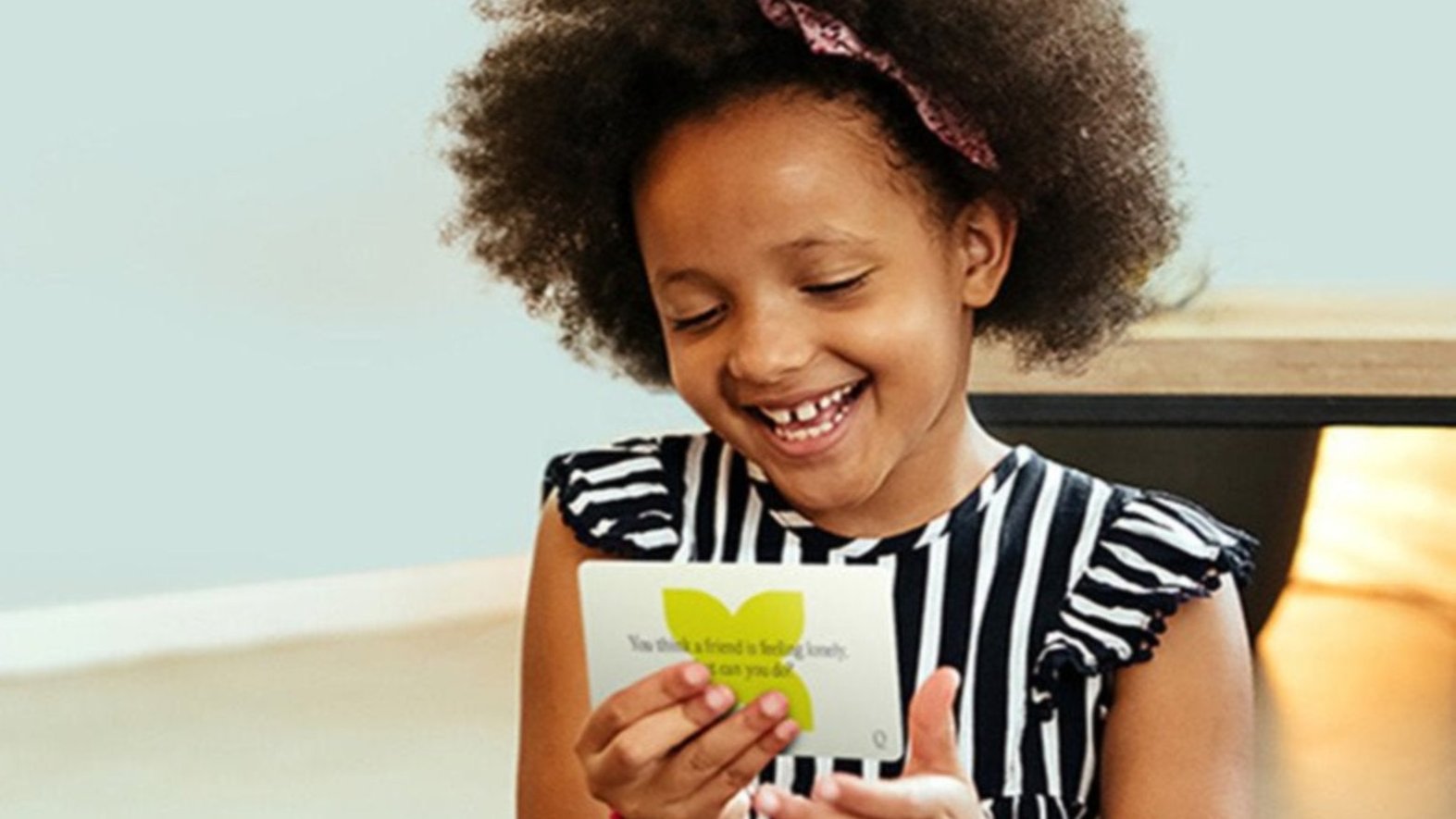
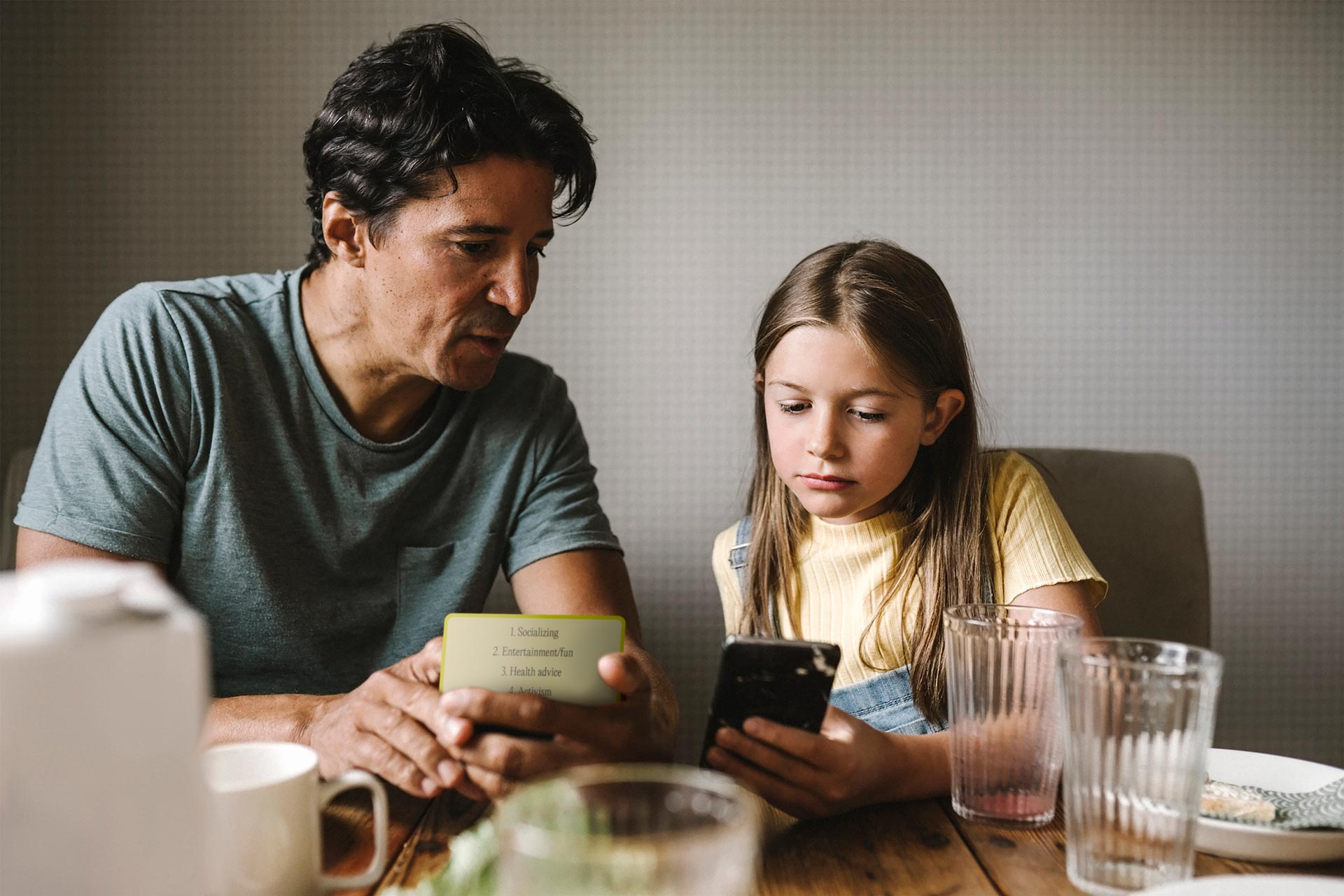
For families who find it hard to start these conversations, structured prompts like the Raising Digital Citizens coversion card can make discussions feel more natural and less interrogative.
Model balance quietly
Children notice how adults relate to trends.
If we frequently comment on popularity or appearance, they internalize that focus. If we show comfort in missing out, they learn that too.
Small modeling moments matter:
- Enjoying experiences without documenting them
- Speaking neutrally about marketing
- Not obsessing over likes or metrics
Balance often speaks louder than rules.
Helping kids build identity beyond what’s trending

One of the strongest buffers against trend pressure is identity rooted in real-world experiences.
Encouraging:
- Creative hobbies
- Sports or physical activities
- In-person friendships
- Volunteer or community engagement
helps children feel grounded.
When their confidence comes from skills and relationships rather than visibility, trends lose some of their power.
At the same time, conversations about kindness and online behavior remain essential. Reinforcing digital empathy conversations reminds children that how they treat others matters more than how closely they follow a trend.
A gentle framework for parents to reflect on
Below is a simple way to think about trend pressure at home:
|
What Kids See |
What They May Feel |
What Parents Can Offer |
|
Viral products |
Insecurity |
Context about marketing |
|
Trending challenges |
Social urgency |
Space to assess safety |
|
Popular influencers |
Admiration |
Media awareness skills |
|
Constant updates |
FOMO |
Encouragement of offline balance |
This is not about strict control. It’s about creating understanding.
Moving forward without overreacting

Trend culture is not disappearing. It is woven into digital life. But children do not need to feel trapped by it.
When parents respond with calm curiosity instead of alarm, something important happens. Kids begin to internalize steadiness. They learn that trends can be enjoyed without defining them.
The goal is not to eliminate participation. It is to help children participate from confidence rather than fear.
If you’re navigating these conversations at home, you’re not alone. Many families are working through the same questions. Ongoing support, practical tools, and shared reflection can be found through Raising Digital Citizens, where the focus remains on helping kids grow into thoughtful, balanced digital participants.
FAQs
1. At what age do kids start feeling pressure to follow trends?
Trend awareness can begin earlier than many parents expect. Even children in late elementary school may start noticing what is popular, especially if they have access to social media or group chats. The intensity often increases during middle school, when peer approval becomes more central to identity.
Signs it may be starting include:
- Talking frequently about what “everyone” is doing
- Asking for specific branded items
- Showing worry about being left out of conversations
Early conversations about belonging and self-worth can make a meaningful difference before pressure escalates.
2. How can I tell if trend pressure is affecting my child’s mental health?
Not every interest in trends signals a problem. What matters is the emotional tone around it. If your child seems anxious, withdrawn, or overly preoccupied with online validation, it may be worth looking more closely.
Possible indicators include:
- Sudden mood shifts after being online
- Increased comparison or self-criticism
- Trouble sleeping due to late-night scrolling
- Irritability when unable to participate
These patterns suggest that the pressure may be moving from playful participation to emotional strain.
3. Should I limit social media to reduce trend pressure?
Limiting access can sometimes reduce exposure, but restriction alone rarely solves the deeper issue. Trend pressure is rooted in belonging and identity, not just screen time.
Instead of focusing only on limits, it may help to:
- Talk about how trends spread
- Explore what feels fun versus stressful
- Strengthen offline friendships and activities
A balanced approach that combines boundaries with dialogue tends to feel more sustainable than strict control.
4. How can I help my child build confidence that isn’t tied to trends?
Confidence grows from experiences that feel meaningful and personal. When children develop strengths outside of digital visibility, trends carry less emotional weight.
You can support this by encouraging:
- Skill-based hobbies (sports, music, art, coding)
- In-person friendships and shared experiences
- Volunteer or community involvement
- Conversations about values and character
Over time, children who feel secure in who they are are less likely to define themselves by what is trending and more likely to participate by choice rather than pressure.

