


We are parenting in a time when communication rarely pauses. Messages travel instantly. Notifications appear within seconds. A child can see when something is delivered and sometimes when it has been opened. And then, suddenly, there is quiet.
When kids panic when messages go unanswered, the reaction can look dramatic from the outside. The distress may seem out of proportion to a simple delay. Yet the intensity often reflects something deeper than the technology itself. The device is not the true source of the fear. It is the trigger.
For many children, silence in digital communication is not empty space. It carries meaning. It can stir questions about friendship, belonging, and personal worth. What appears to be anxiety about a text message is often anxiety about connection.

What delayed replies feel like to a child
The emotional impact of delayed replies
The emotional impact of delayed replies can unfold quickly. A short pause may trigger a cascade of thoughts and physical reactions.
Children may experience:
- Tightness in the chest
- Repeated checking of the phone
- Irritability or snapping at others
- Withdrawal and rumination
What begins as waiting can shift into anxiety within minutes. The brain interprets the silence as potential rejection, which makes separating self-worth from online reactions especially difficult for many children.
Social connection is not a minor preference during childhood and adolescence. It is central to identity and safety. That is why texting anxiety in kids can feel so urgent.
Why children fear being ignored
Why children fear being ignored is tied to their developmental need for belonging. From early childhood onward, responsiveness equals security.
As peer relationships grow in importance, delayed replies can feel like:
- Loss of connection
- Social exclusion
- Disapproval
- Confirmation of self doubt
These fears are rarely spoken about directly. Instead, they show up as behavior.
Understanding this helps adults see that child's anxiety over texting is not about entitlement. It is about attachment and identity.
Developmental sensitivity to social feedback

The adolescent brain and emotional intensity
During adolescence, the emotional centers of the brain are highly active. The areas responsible for perspective and impulse control are still developing.
This creates a situation where:
- Social feedback feels amplified
- Ambiguity is difficult to tolerate
- Delays are easily personalized
- Emotions surge quickly
When kids panic when messages go unanswered, it often reflects this developmental imbalance. The reaction is real, even if the interpretation is inaccurate.
Technology features that intensify anxiety
Digital platforms add layers of visibility that did not exist before, shaped in part by the design choices behind social feeds. Features such as read receipts and online indicators create assumptions about availability.
Below is a comparison of how children often interpret these features versus what they may actually mean.
|
What the Child Sees |
Common Interpretation |
Possible Reality |
|
Message marked as read |
They are ignoring me |
They read it quickly and got distracted |
|
Friend is online |
They are choosing not to respond |
They are multitasking or about to log off |
|
Friend posting publicly |
They care about others more |
Posting took seconds and required no conversation |
|
No reply for an hour |
I did something wrong |
They are busy, tired, or offline |
This gap between interpretation and reality fuels texting anxiety in kids.
The inner narrative that escalates
How thoughts spiral
When kids panic when messages go unanswered, their internal story often escalates step by step.
A typical progression may look like this:
- They have not replied yet.
- Maybe they are busy.
- Or maybe they are upset.
- I probably said something wrong.
- They do not want to be my friend anymore.
The longer the silence lasts, the stronger the story becomes.
Children who already struggle with self-confidence may be especially vulnerable to catastrophic thinking. Silence becomes evidence rather than uncertainty, particularly for children who are still forming fast digital attachments.
Social comparison and visibility
Digital spaces increase comparison. Children can see who is interacting with whom. This visibility magnifies insecurity.
Texting anxiety in kids is often intensified by:
- Seeing friends active while waiting for a reply
- Noticing others receive faster responses
- Watching group conversations continue without them
In these moments, the emotional impact of delayed replies becomes intertwined with fear of exclusion.
How adult responses influence the outcome
Dismissal vs emotional attunement
Adult reactions shape whether anxiety escalates or settles. Consider the difference between two responses.
|
Situation |
Minimizing Response |
Emotionally Attuned Response |
|
Child is upset about no reply |
It is not a big deal |
Waiting can feel uncomfortable |
|
Child keeps checking phone |
Just put it down |
It seems like you are really hoping for that reply |
|
Child assumes rejection |
You are overthinking |
What are you worried might be happening |
Minimizing often increases isolation. Attunement reduces intensity. Validating statements do not reinforce anxiety. They acknowledge it. Feeling understood helps children regulate more effectively.
Creating reflective conversations
Once emotions settle, gentle reflection can build perspective.
Helpful conversation prompts may include:
- What does it mean to you when someone replies quickly?
- Have you ever been unable to respond right away?
- What are some other possible explanations?
These questions shift the focus from immediate panic to thoughtful consideration. Over time, this strengthens emotional flexibility.
Everyday moments that reveal deeper needs

Repeated phone checking
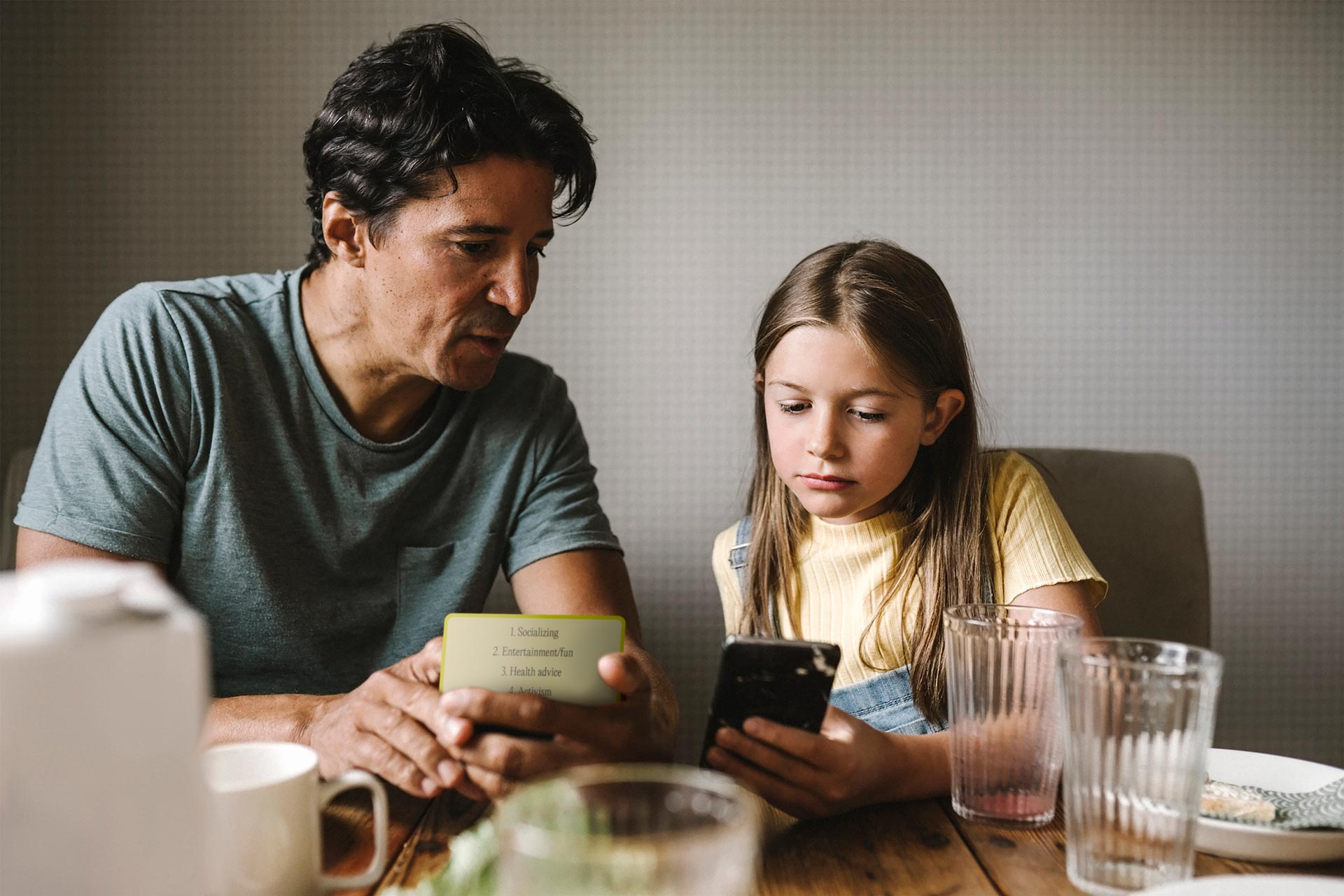
Repeated phone checking is often about reassurance, not information. The device becomes a symbol of connection, sometimes leading to seek digital reassurance instead when human responses feel uncertain.
Instead of focusing only on the behavior, it can help to notice the underlying need. The child is seeking certainty that the relationship is still intact.
Sitting nearby, staying calm, and acknowledging the difficulty of waiting can lower the emotional charge. The goal is not to eliminate discomfort instantly. It is to make it more manageable.
Tears, anger, or withdrawal
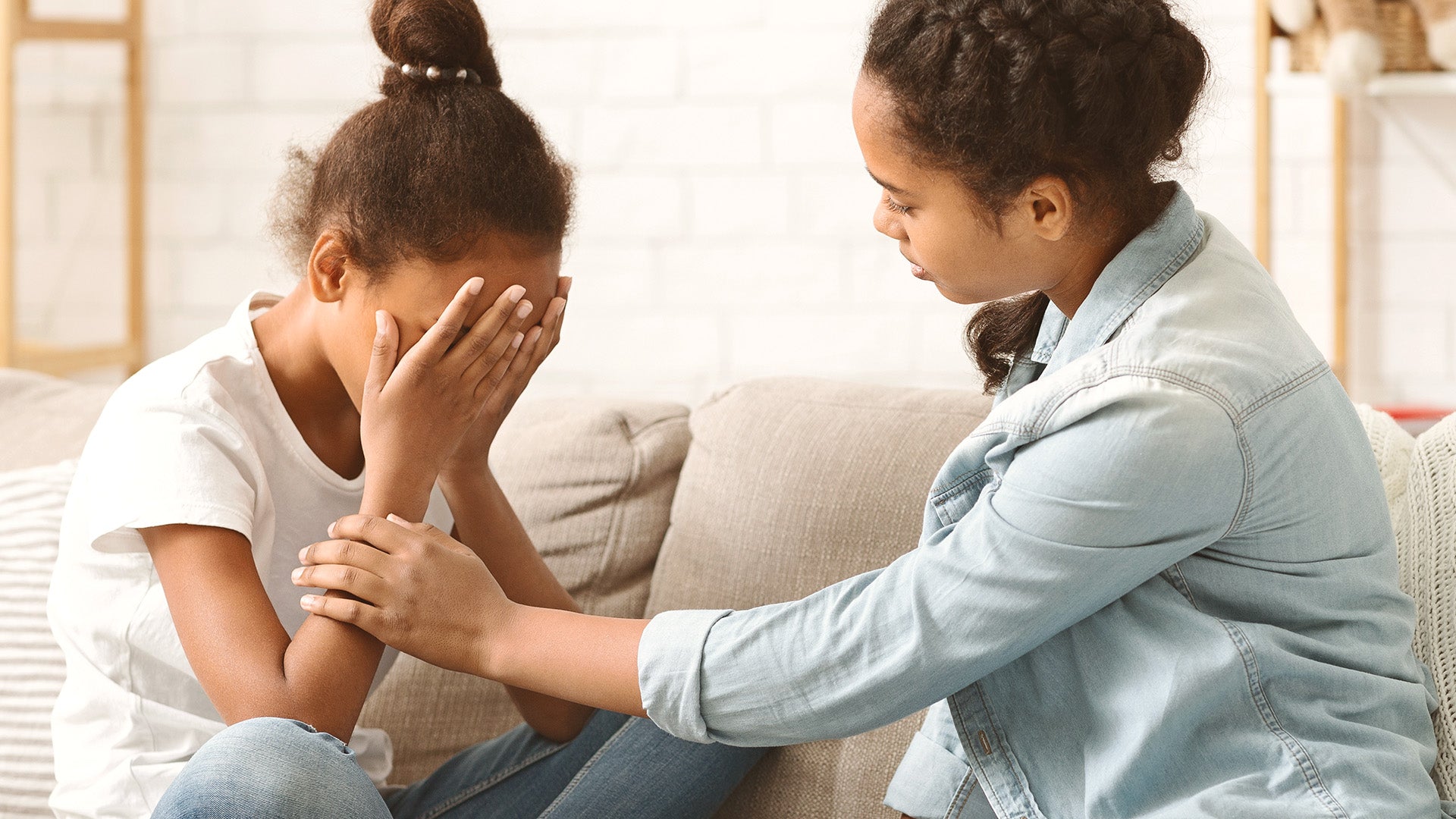
Sometimes the response to unanswered messages is more visible. Tears may follow a long delay. Anger may surface unexpectedly. Withdrawal may replace conversation.
These reactions often signal a deeper fear of being ignored or replaced.
When the emotional layer is addressed rather than just the surface behavior, children gradually build resilience. They begin to understand that pauses in communication do not equal abandonment.
Long-term emotional growth
Over time, repeated experiences of waiting and discovering that relationships remain intact help children recalibrate.
Gradually, they learn:
- Silence does not automatically mean rejection
- People have responsibilities beyond their phones
- Relationships include pauses
- Their worth is not defined by response speed
They begin to understand that a connection is more stable than a single message. Waiting becomes more tolerable. Their sense of worth becomes less tied to response speed.
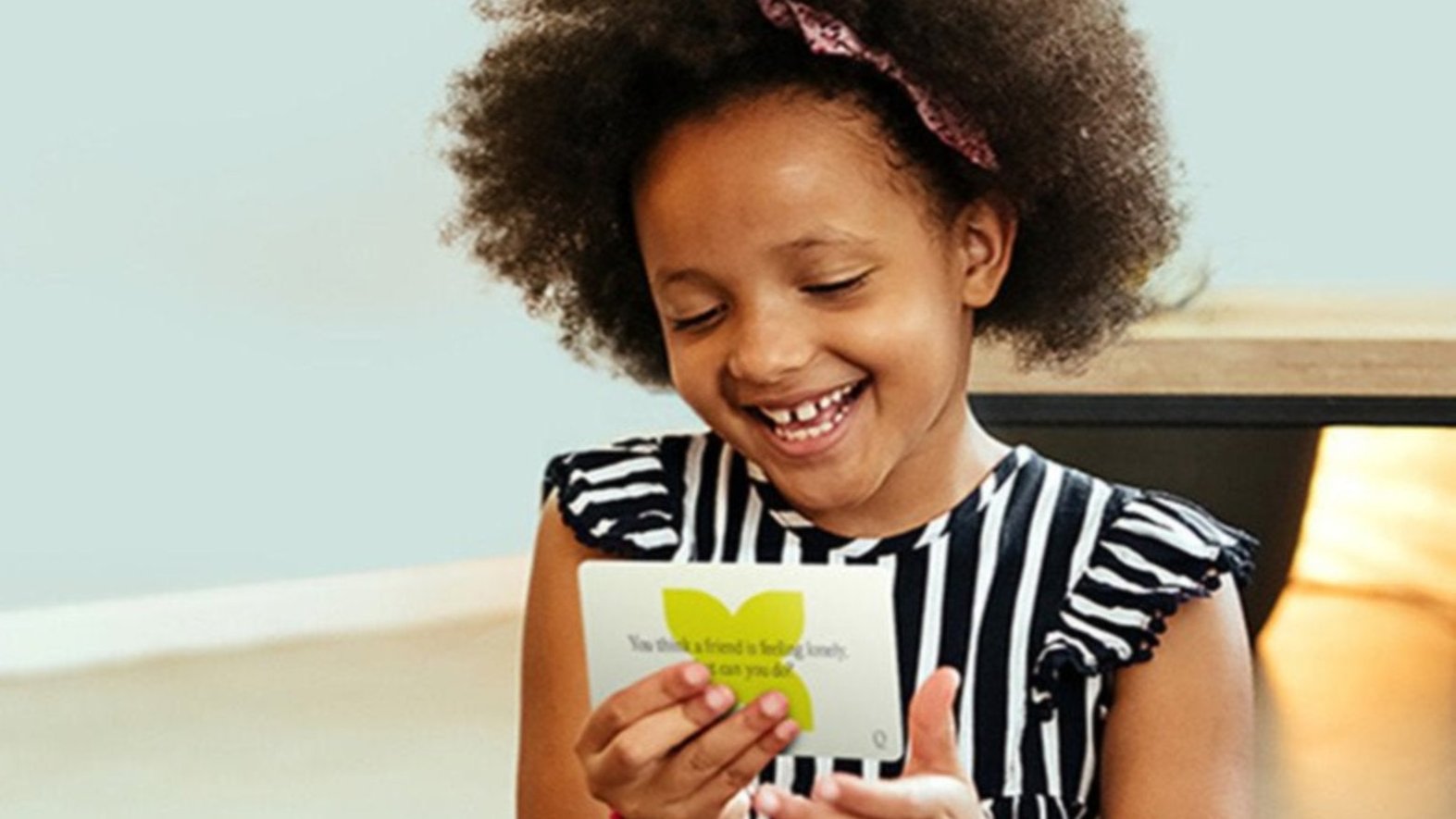
What supports this growth most is ongoing, low-pressure conversation about friendships and digital life. Some families like using simple tools, such as raising digital conversation starter cards to open up thoughtful discussions in everyday moments.
When kids panic when messages go unanswered, it is often a sign that relationships matter deeply to them. With steady dialogue and reassurance, that urgency can gradually turn into resilience.
Frequently Asked Questions
1. At what age does texting anxiety in kids usually begin?
Texting anxiety in kids often begins when peer relationships start to carry more emotional weight. For some children, this can emerge as early as late elementary school if they have access to messaging platforms. For many, it becomes more noticeable in early adolescence when social identity becomes central. The intensity often reflects the developmental stage rather than the maturity level.
Factors that influence timing include:
- Age at which the child receives their first phone
- Personality traits such as sensitivity or anxiety
- Peer group norms around responsiveness
- Previous experiences of exclusion or friendship instability
2. Can texting anxiety be a sign of a deeper mental health concern?
In some cases, child anxiety over texting may connect to broader anxiety patterns. If distress around unanswered messages is persistent, intense, and affects sleep, school performance, or overall mood, it may reflect underlying social anxiety or generalized anxiety.
Signs that additional support may be helpful include:
- Constant rumination even after reassurance
- Avoidance of school or social situations
- Physical symptoms such as headaches or stomachaches
- Extreme mood swings tied to digital interactions
If concerns persist, consulting a pediatrician or licensed mental health professional can provide clarity and support.
3. Should parents monitor their child’s messages to reduce anxiety?
Monitoring messages may provide short-term information, but it does not necessarily reduce texting anxiety in kids. Anxiety is usually rooted in interpretation and self-perception, not in a lack of information. Excessive monitoring can sometimes increase secrecy or dependence.
Before deciding on monitoring, parents may consider:
- The child’s age and maturity
- Established family values around privacy
- The difference between safety concerns and emotional reassurance
- Whether open dialogue might be more effective than surveillance
Safety is important, includingrecognizing unsafe message patterns, but emotional growth also depends on trust and communication.
4. How can schools contribute to reducing texting anxiety in kids?
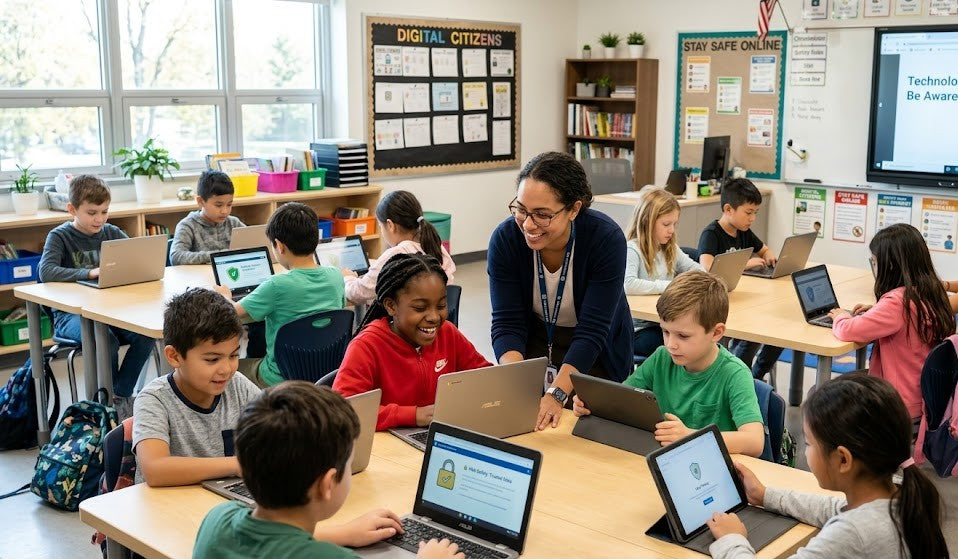
Schools play a meaningful role in shaping digital culture. Classroom discussions about communication norms and digital well-being can help normalize delayed replies and reduce social pressure.
School-based support may include:
- Digital literacy education
- Conversations about online boundaries and expectations
- Counseling resources for students struggling with peer anxiety
- Clear policies around phone use during school hours
When schools address digital dynamics openly, children gain language and perspective for their experiences.
5. Will texting anxiety fade as children grow older?
For many children, the intensity of anxiety decreases with maturity and experience. As they accumulate evidence that friendships survive pauses, their interpretations become more balanced.
Growth often includes:
- Greater confidence in their social value
- Improved emotional regulation skills
- Stronger perspective-taking abilities
- Healthier communication expectations
Kids panic when messages go unanswered most intensely during periods of identity formation. With time, experience, and supportive relationships, that panic often transforms into resilience.