

Your 14-year-old might use YouTube to learn a new skill, WhatsApp to organise schoolwork, and Roblox to spend time with friends. To them, these activities are simply part of everyday life. Then comes the news that the UK government plans to ban social media for children under 16. Suddenly, parents are wondering which apps will disappear and which will remain available. Children, meanwhile, may be worried about losing connections and activities they genuinely enjoy.
The UK under 16 social media ban raises important questions because not every online platform serves the same purpose. Watching educational videos is different from scrolling through personalised feeds, just as messaging a school friend is different from communicating with strangers in an online game.
The government intends to recognise these differences rather than prohibit every online activity. Some social media platforms are expected to face restrictions, while private messaging, gaming, and educational services may continue with additional safeguards. Understanding what has actually been announced can help families prepare with more confidence and less uncertainty.
Is the UK Under 16 Social Media Ban Already in Effect?
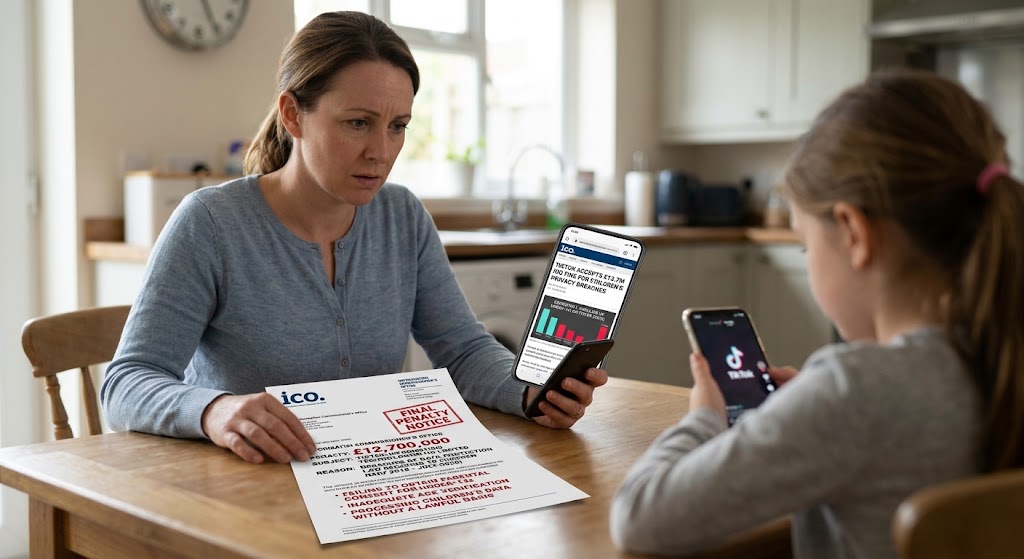
The UK government's proposed social media ban for children under 16 is not yet in effect. Announced on 15 June 2026, it is expected to begin in spring 2027, according to the House of Commons Library's October 2026 briefing.
For now, families should know:
-
Regulations are expected before Parliament by the end of 2026.
-
Existing platform age limits and online safety laws still apply.
-
Children do not need to stop using social media immediately because of this proposal.
Details about existing accounts remain uncertain. Families have time to discuss possible changes without abruptly disrupting children's digital routines.
Why Is the UK Government Introducing a Social Media Ban?
The government's concerns extend beyond screen time. Personalised feeds, endless scrolling, public conversations, and contact with strangers can expose children to harmful content, social pressure, and unwanted interactions.
Although online spaces can support learning and friendship, the proposal would place more responsibility on technology companies. It builds on the Online Safety Act, moving beyond protections against harmful content to age-based restrictions on certain services.
Other platforms, including games, may remain available while particular risky features are limited.
What Do Parents and Children Think About the Ban?
The government's Growing Up in the Online World consultation received 116,211 responses. Parents generally favoured stronger restrictions, while children and young people held more varied views. Many distinguished between platforms rather than treating all social media as equally risky.
Chart 1: Public Views on Social Media Age Restrictions
|
Consultation response |
Support |
|
Parents supporting a minimum age of at least 16 |
90% |
|
Children and young people supporting age 16 across all social media |
19% |
|
Children and young people supporting age restrictions on at least some platforms |
66% |
Source: UK Department for Science, Innovation and Technology, Growing Up in the Online World consultation, June 2026. Percentages reflect different consultation questions and should not be treated as representative of the entire UK population.
Will YouTube, WhatsApp and Gaming Chats Be Affected?

Not every service that allows communication will be treated as social media. The government intends to distinguish between social networks, private messaging, online games, and educational platforms.
Its September 2026 guidance indicates that major social networks are expected to be covered, while dedicated messaging and learning services may remain available. Gaming features such as stranger communication could face restrictions.
Chart 2: Which platforms could be affected by the UK under-16 social media ban?
|
Platform or service |
Expected approach |
What this means for families |
|
Instagram, TikTok, Snapchat, Facebook and X |
Expected to be covered |
Under-16 access to covered social media services would be restricted |
|
YouTube |
Expected to be covered |
Ordinary YouTube access may change; educational arrangements remain to be clarified |
|
WhatsApp and Signal |
Intended to be exempt |
Dedicated messaging can continue, subject to existing requirements |
|
Roblox, Minecraft and Fortnite |
No general gaming ban proposed |
Playing may continue, but stranger communication and livestreaming may be restricted |
|
Discord and similar community services |
Final classification unclear |
Access may depend on how services and features are defined |
|
Dedicated educational platforms |
Intended to remain accessible |
Children should be able to continue using learning-focused services |
Based on government proposals as of 14 October 2026, not a final legal list.
Will YouTube Be Banned for Children Under 16?
YouTube can be both a learning resource and a social platform. Children may watch maths tutorials, explore science, or follow creators, but the service also has recommendations, public comments, and online communities.
YouTube is expected to be covered. However, the treatment of YouTube Kids, educational videos, and viewing without an account remains unclear. Families who rely on tutorials can explore alternative resources together while awaiting final rules.
Will WhatsApp Still Be Allowed for Under-16s?
WhatsApp and Signal are intended to remain outside the ban because dedicated messaging supports school arrangements, friendships, and family communication.
That does not remove existing age requirements or risks involving unwanted contact and privacy. Parents can discuss:
-
Who can contact their child or add them to groups.
-
What personal information others can see.
-
When to ask for help with uncomfortable messages.
Such conversations need not involve reading every private message.
What Happens to Roblox, Minecraft and Fortnite Chats?
The proposal does not seek to ban online gaming. Instead, it may restrict livestreaming and communication with strangers while allowing children to keep playing.
A conversation between classmates is different from an unexpected message from an unknown player. Yet online-only friendships can also become meaningful, making these distinctions difficult.
Discord adds further complexity through its community servers, voice chats, and private messages. Its classification is still uncertain, so parents should not assume every gaming-related service will be exempt.
How Will Age Verification and Teen Safety Protections Work?
Platforms will need reliable ways to identify users who are too young for restricted services. Ofcom is expected to explain acceptable age-assurance methods, potentially including facial age estimation or previously verified account information.
The government has not said everyone must upload an identity document. Privacy, fairness, accessibility, and unnecessary data collection remain important concerns.
What Will Happen to Existing Social Media Accounts?
Children may lose access to covered accounts when the rules begin. Details about saved content, recovery, and returning after turning 16 have not been finalised.
For children, accounts can hold artwork, photographs, videos, learning resources, and meaningful memories. Families could prepare by:
-
Saving important creative work where platforms allow it.
-
Finding other ways to stay in touch with friends.
-
Letting children decide what they most want to preserve.
Preparation should be collaborative, not an excuse to inspect every account.
What About Teenagers Aged 16 and 17?
Additional protections announced in July 2026 would apply to older teenagers, including:
-
Overnight access restrictions from midnight to 6 a.m., with notifications muted.
-
Autoplay and personalised feeds off by default.
-
Livestreaming and stranger communication disabled by default.
Unlike younger children, 16- and 17-year-olds could change certain settings. These measures offer opportunities to discuss sleep, attention, and increasing independence rather than relying on settings alone.
How Can Parents Prepare Without Creating More Conflict at Home?

Some children may welcome the changes; others may worry about losing friends, creative audiences, or supportive communities. Parents can recognise these concerns while taking safety seriously.
A platform's value depends on the child. Gaming can connect distant friends, while videos can help independent learners. A useful conversation considers what children gain from a service, not simply its name.
Begin With Curiosity, Not Assumptions
Ask children what they enjoy online and what they might miss. Listening can reveal whether a concern is about entertainment, creativity, learning, or belonging.
This reflects Connect, the first part of Raising Digital Citizens' CARE framework. Understanding feelings can help families identify safer alternatives without dismissing genuine risks.
Build Shared Expectations Around Online Safety
The remaining CARE principles offer practical guidance:
-
Agree: Develop shared expectations about privacy, unfamiliar contacts, group chats, and asking for help.
-
Respect: Acknowledge children's friendships, feelings, and privacy even when boundaries are necessary.
-
Evolve: Revisit expectations as children mature and regulations change.
These conversations help children build judgment that remains useful across platforms.
A Safer Digital Childhood Needs More Than a Ban
From spring 2027, covered social media services are expected to restrict under-16 access. Messaging may remain available, while some gaming chats may change. YouTube's educational arrangements still need clarification. Families can follow the UK government's official guidance as details develop.
Legislation can change access and encourage safer designs, but it cannot replace everyday conversations about friendship, privacy, and trust.
The aim is not simply to raise children who follow online restrictions. It is to help them become thoughtful, caring, and capable digital citizens through an ongoing relationship built on understanding and respect.