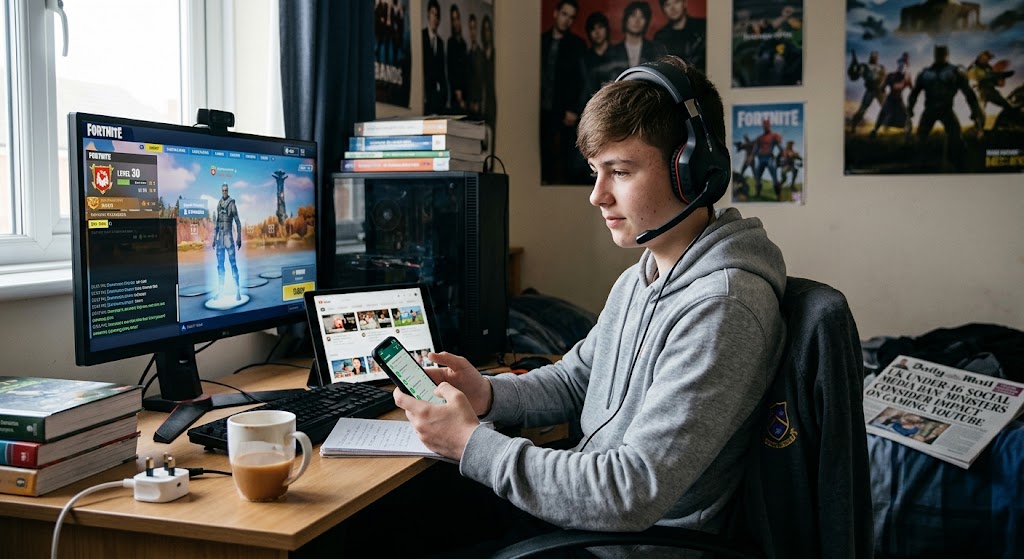







TikTok is facing renewed questions about how it protects children's personal information. On September 24, 2026, the company agreed to pay a £12.7 million fine after withdrawing its appeal against a penalty issued by the UK's Information Commissioner's Office (ICO) in 2023.
The case involves children under 13 using TikTok without adequate age checks or parental consent, along with concerns about how clearly the platform explained its data practices.
For parents, the news raises an important question: How much information do social media platforms collect about our children, and who is responsible for protecting it?
Understanding what happened can help us have more informed conversations about digital privacy without making our children feel that their online interests are something to fear.

Why Was TikTok Fined £12.7 Million for Children's Privacy?
The UK's Information Commissioner's Office originally fined TikTok in April 2023 for breaches of data protection law. Its investigation examined practices between 2018 and 2020, when large numbers of children younger than TikTok's minimum account age were using the platform.
According to the ICO, up to 1.75 million UK children under 13 may have used TikTok in 2020, despite the platform's own age restrictions. The regulator found that TikTok had not taken adequate steps to identify and remove these accounts or obtain the necessary parental consent.
What Did the UK Regulator Find?
The ICO identified three significant problems with TikTok's handling of children's personal information:
-
Inadequate age checks: TikTok failed to take sufficient action to identify and remove children below its minimum age.
-
Missing parental consent: The company processed children's data without obtaining the parental consent required in the circumstances.
-
Unclear privacy information: Users, particularly children, were not given sufficiently understandable explanations of how their information was collected, used, and shared.
These findings matter because children may not understand what happens to their information when they create an account, watch videos, or interact with content. Privacy is not only about what children intentionally share. It also involves information collected in the background, often without young users recognizing its significance.
Why Did TikTok Accept the Fine in September 2026?
Although the penalty was issued in 2023, TikTok initially challenged the decision through the UK legal system. In August 2026, an Upper Tribunal ruling rejected a preliminary legal argument advanced by TikTok concerning the regulator's authority to issue the penalty.
On September 24, 2026, TikTok withdrew its appeal against the fine, making the original penalty final. The company also withdrew a separate appeal involving an information request from the ICO. That decision allows the regulator to continue investigating how TikTok uses teenagers' data in its recommendation systems.
It is important to distinguish these developments. The £12.7 million fine concerns historical children's privacy violations, while the investigation into teenage recommendation systems remains ongoing. TikTok has stated that it disagrees with the earlier findings and has introduced additional youth safety measures since the period investigated.
What Children's Data Can TikTok Collect?

When we think about personal information, we often picture names, birthdays, or photographs. However, social media platforms can learn about users through everyday activity, even when they rarely post anything themselves.
TikTok's recommendation system uses engagement signals to personalize videos. This can make the experience entertaining and relevant, but it also means children's viewing behavior may reveal information about their interests and preferences.
Personal Information vs. Behavioral Data
|
Type of Data |
Everyday Example |
Why It Matters |
|
Account information |
Username, birthday, profile details |
Can identify a user or indicate their age |
|
Viewing activity |
Videos watched and watch time |
Helps shape personalized recommendations |
|
Engagement |
Likes, comments, and searches |
Can reveal interests and preferences |
|
Shared content |
Videos, photos, and captions |
May expose personal details or identifiable locations |
|
Device information |
Device identifiers and technical data |
Can help platforms recognize devices and operate services |
These are examples of information social media services may process, not a list of data specifically found to have been unlawfully collected in the TikTok case. The broader lesson for families is that privacy involves more than keeping an account private or avoiding personal information in public posts.
Is TikTok's Algorithm Also Being Investigated?
Yes. Alongside the historical fine, the ICO is examining how TikTok processes personal information belonging to users aged 13 to 17 through its recommendation system. The investigation began in February 2025 but was delayed while TikTok challenged an information request.
With that appeal withdrawn, the investigation can continue. The regulator wants to understand whether children's personal information is being used appropriately when algorithms select and recommend content.
Why Does This Matter for Teenagers?
Imagine your teenager watches a few videos about fitness, skincare, or studying. Soon, similar videos begin filling their feed. Some may be helpful or entertaining, while others might encourage unrealistic comparisons or keep drawing their attention back to the same subject.
This does not mean personalized recommendations are automatically harmful. However, they can influence what children repeatedly encounter, and some young people may find it difficult to stop scrolling. The ongoing investigation is examining important questions about how teenage data is used, rather than establishing that TikTok has committed additional violations.
What Can Parents Do to Protect Their Children's Privacy on TikTok?
News about privacy violations can make parents feel that they need to check every interaction or immediately impose stricter rules. Yet protecting children's digital privacy does not have to begin with surveillance or conflict.
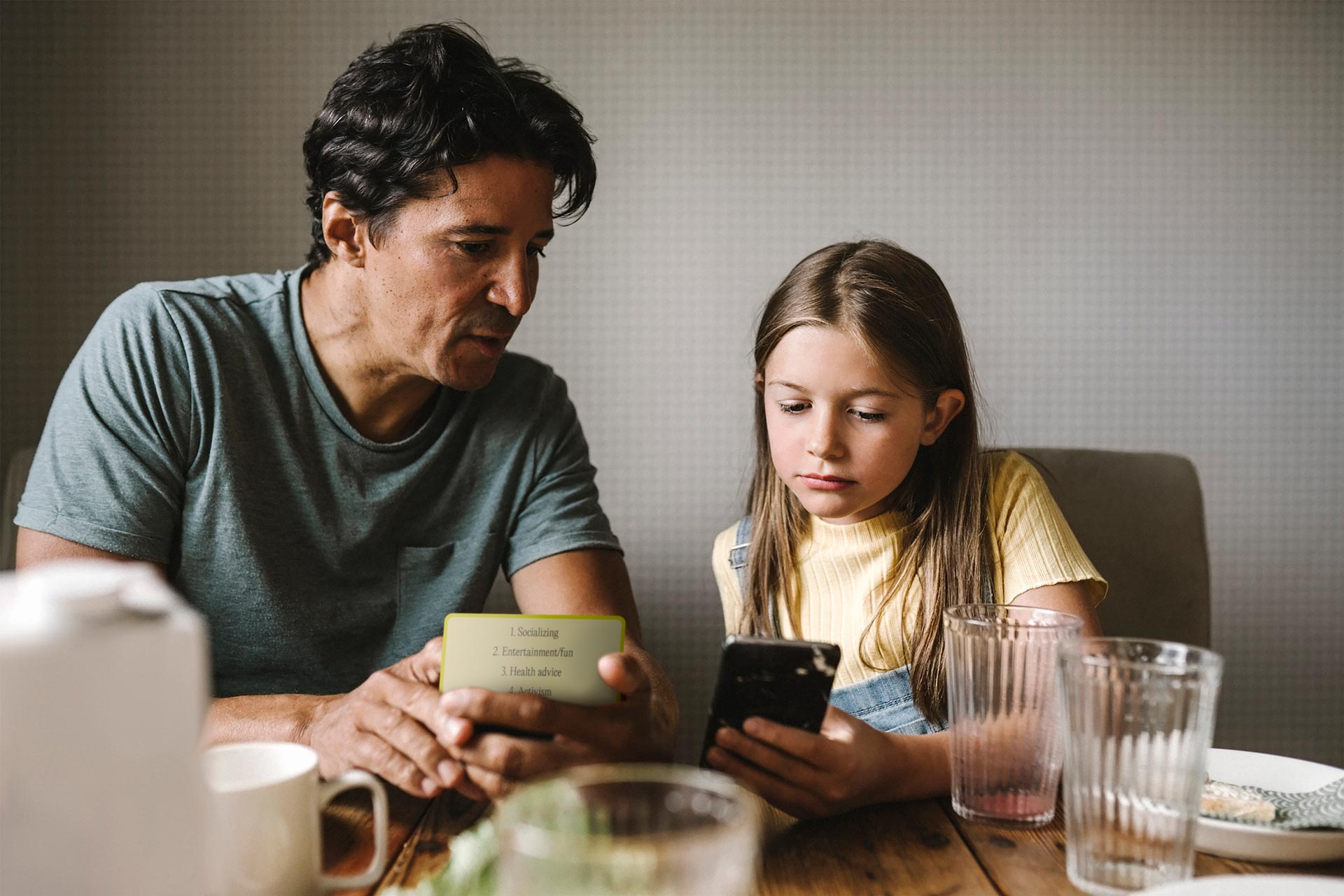
A more collaborative approach starts with understanding what our children enjoy about the platform and helping them recognize how their information is used. When children participate in these decisions, they have opportunities to practice the judgment and responsibility they will need as they become more independent.
Five Practical Steps Families Can Explore Together
-
Review account privacy: Explore who can see posts, follow the account, or interact with shared content.
-
Discuss personal information: Talk about why birthdays, locations, and school details deserve extra care.
-
Explore the For You feed: Ask how TikTok might know which videos your child enjoys.
-
Review available data: TikTok allows users to request a copy of certain account and activity information through its settings.
-
Create shared expectations: Agree on what information feels comfortable to share and when to ask for support.
TikTok currently requires users to meet its minimum age requirement, generally 13 or older, subject to local rules. Its accounts for 13- to 17-year-olds are private by default, although some settings can be changed. Parents and teens can review these protections together without treating privacy as something children must surrender to receive guidance.
How Can Parents Discuss TikTok Privacy Without Damaging Trust?
Consider a familiar situation. Your 14-year-old enjoys watching cooking videos and sharing funny clips with friends. One evening, you mention the TikTok privacy fine, and your teen responds, "Why are you worried? I don't even post anything personal."
Rather than turning the conversation into a disagreement, you might ask, "Have you noticed how TikTok seems to know what you're interested in?" Together, you could explore how viewing habits influence recommendations and why information can matter even when it is never shared publicly.
Questions That Encourage Reflection
-
What do you think TikTok learns from the videos you watch?
-
Is there information about you that you would rather keep private?
-
How do you feel when an app remembers your interests?
-
Would you like to look at the privacy settings together?
-
What should companies do to protect young people's information?
These questions invite children to think critically without suggesting that enjoying TikTok is irresponsible. They also create space for parents to acknowledge something important: adults do not always understand every detail of how digital platforms use their information either, and learning together can be more productive than pretending otherwise.
Final Thoughts: Children's Privacy Is a Shared Responsibility

TikTok's £12.7 million privacy fine is a reminder that protecting children online cannot depend on individual families alone. Technology companies have responsibilities to explain their practices clearly, respect children's rights, and design services that account for young users' needs.
At home, we can contribute by making privacy part of ordinary family conversations rather than another source of worry or conflict. When children understand that their personal information matters and feel respected in decisions about their digital lives, they are better equipped to make thoughtful choices.
Children deserve both meaningful privacy protections from technology companies and trusting relationships with adults who help them navigate the digital world.
Frequently Asked Questions About TikTok's Privacy Fine
Does the £12.7 Million Fine Mean TikTok Was Hacked?
No. The fine was issued for violations involving the lawful processing of children's information, inadequate age checks, missing parental consent, and unclear privacy explanations. It was not a penalty for a data breach or cyberattack. Understanding that difference helps families distinguish between information stolen by outsiders and information collected or used improperly by a platform.
Does TikTok's Fine Mean the App Is Unsafe for All Teenagers?
The fine does not establish that every teenager using TikTok is unsafe. It identifies serious historical failures in the company's handling of younger children's information. Families may want to consider their child's age, privacy awareness, emotional readiness, and online experiences when deciding how to approach the platform and its available protections.
Can Parents Find Out What Data TikTok Has Collected?
TikTok offers a data download feature through Profile → Menu → Settings and privacy → Account → Download your data. Available information may include account details, viewing history, comments, and privacy settings. Parents can explore this feature with their teens, while recognizing that downloadable files may not contain every piece of information processed by the platform.