

When parents ask, “Is Snapchat safe for kids?” they are usually asking whether their child can handle disappearing messages, location sharing, streaks, group chats, friend requests, and the pressure of being constantly reachable.
Snapchat is not intended for children under 13. For teens, safety depends on maturity, privacy settings, location choices, messaging habits, and trust.
No setting can replace trust, emotional safety, and digital judgment. Snapchat safety is not about spying or controlling every tap. It is about staying connected enough that your child will come to you when something feels uncomfortable.
Key Takeaways:
- Snapchat is not intended for children under 13 and requires teen maturity, privacy awareness, and family support.
- Key Snapchat risks include disappearing messages, screenshots, location sharing, group chats, unwanted contact, and algorithmic content.
- Safer Snapchat use depends on privacy settings, Ghost Mode, Family Center, messaging habits, and open parent-teen communication.
Is Snapchat Safe for Kids?
The Short Answer
For children under 13, Snapchat is not a good fit. Younger children are still learning privacy, screenshots, social pressure, and fast digital choices.
For teens, Snapchat can be safer when parents and teens talk openly, review settings together, and treat mistakes as learning moments.
A parent might quietly notice:
- Whether their teen talks about uncomfortable online moments
- Whether they understand screenshots and privacy
- Whether they are open to reviewing settings together
- How they react when concerns come up
Why Snapchat Feels Different From Other Apps
Disappearing Messages Are Not Always Private
Snapchat feels casual because messages, photos, and videos can disappear. For teens, that can feel playful and low-pressure.
But disappearing does not always mean private. A Snap can still be:
- Screenshotted
- Screen-recorded
- Saved in chat
- Shown to someone else
- Talked about later
A useful question might be, “Would I be okay if this was seen tomorrow by someone I did not expect?” That question helps kids pause before a fast choice becomes a bigger problem.
Streaks and Replies Can Add Pressure
Research on teen app experiences helps explain why Snapchat streaks, replies, and social feedback can feel emotionally important to young users. For some teens, that urgency is fun. For others, it creates pressure to respond quickly and stay available.
A child who worries about being left out may feel real distress when a friend does not reply. Asking what it feels like to be left on opened can open a conversation about friendship, anxiety, andmessage anxiety.
The Main Snapchat Risks Parents Should Understand
Privacy, Location, and Messaging Risks
Privacy is one of the biggest Snapchat concerns. Teens may share a silly face, a vulnerable thought, or a risky image because the app feels temporary. But digital content can move beyond the moment.
A few privacy truths are worth keeping in the family conversation:
- Disappearing does not always mean gone
- Screenshots and recordings can happen
- Private jokes can be misunderstood
- Receiving private content comes with responsibility too
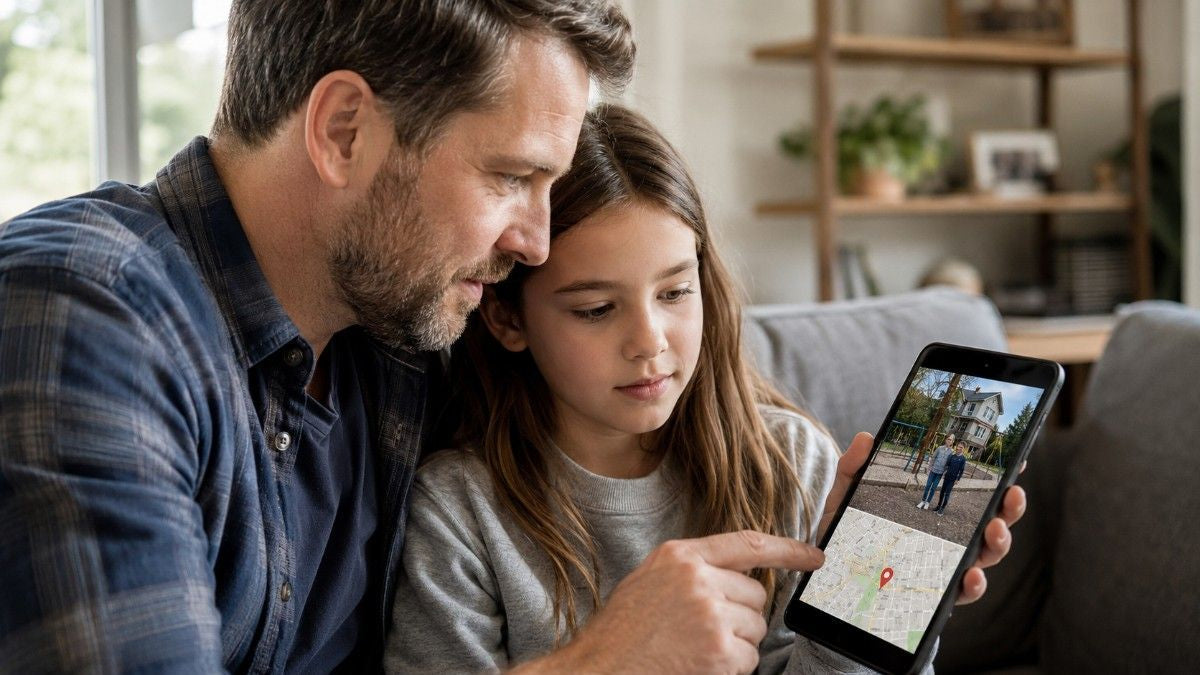
Location sharing also deserves attention. Snap Map can help with pickups, but it can reveal routines, school patterns, home addresses, and hangout spots.
Location safety works best when families talk about it as consent, not control. Snap Map becomes less scary when families treat location boundaries as a shared safety habit rather than a test of trust.
Messaging risks often happen inside private chats or group conversations. These risks can include unwanted contact, bullying, sexual pressure, gossip, screenshots, exclusion, and secret-keeping.
Group chats can move fast because kids may react before thinking. The same relationship-first approach applies to group-chat safety, whether teens are messaging on Snapchat, Discord, or another social app.
Snapchat Safety Settings Parents May Want to Review

Settings That Affect Everyday Safety
Parents do not need to master every Snapchat feature. It is more manageable to begin with settings that shape visibility, contact, location, and content.
Useful areas to look at include:
- Who can contact your teen
- Who can view their Stories
- Whether they appear in Quick Add
- Whether Snap Map is on or set to Ghost Mode
- Which friends can see their location
- Whether Family Center is set up
- How to block and report unsafe accounts
This review works best with your teen, not secretly, unless there is an immediate safety concern.
Quick Comparison Table
|
Snapchat Area |
What Parents May Notice |
Supportive Conversation |
|
Privacy settings |
Who can contact your teen and view Stories |
Talk about trusted audiences |
|
Location settings |
Whether Snap Map shares location |
Discuss Ghost Mode and consent |
|
Messaging settings |
Who your teen chats with |
Talk about blocking and asking for help |
|
Family Center |
What parents can see |
Use it as a conversation starter |
|
Discover and Spotlight |
What content appears |
Talk about mood and attention |
Snapchat Family Center and Location Settings
Parent Visibility Without Reading Every Message
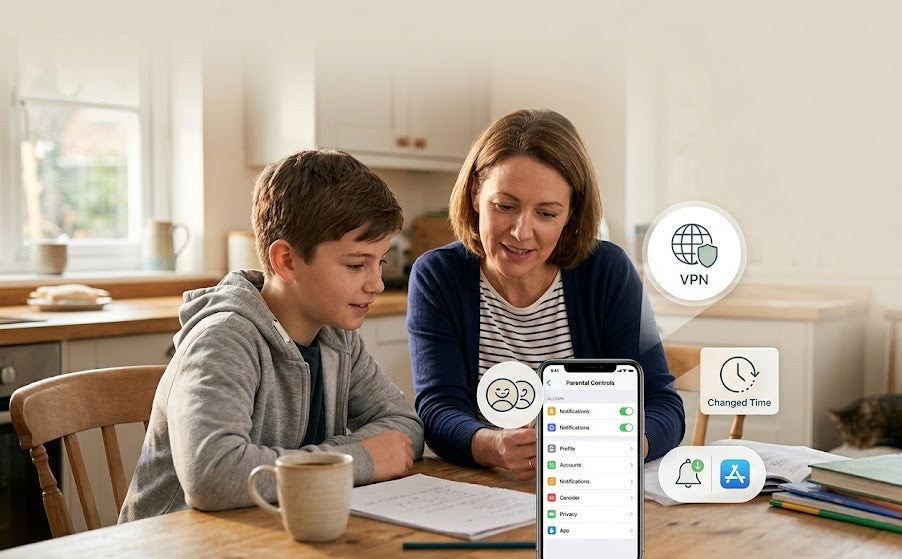
Snapchat Family Center gives parents more visibility without showing the full content of private messages. That distinction matters.
It allows parents to notice patterns while still preserving privacy. The tool is most helpful as part of ongoing dialogue, not daily inspection.
A helpful script might be:
“I am not looking to read your messages. I do want to understand who is in your digital world and make sure you know how to get help if something feels off.”
Ghost Mode and Phone Permissions
Snapchat’s teen safeguards include location-sharing choices, and Ghost Mode prevents your location from appearing to friends on Snap Map. For many teens, this is a safer default.
Some families may choose selective location sharing with parents or trusted people. Parents might ask:
- Who actually needs to know where you are?
- When does location sharing help you feel safer?
- When could it create pressure or risk?
Snapchat settings are only one layer. Device-level location permissions also matter. Helping kids review permissions builds digital citizenship beyond one platform.
Messaging, Mistakes, and Emotional Safety

Talking Before There Is a Crisis
Messaging safety includes both settings and habits. Families do not need a long contract for this conversation to matter.
It can be enough to talk about unsafe messages, trustworthy contacts, and when a child might want adult help.
Topics that often come up naturally include:
- Adding people they know and trust
- Feeling pressured to send private images
- Blocking or reporting unsafe accounts
- Telling a parent if someone threatens or pressures them
- Leaving group chats that become cruel
A calm “Thank you for telling me” is often more protective than a lecture. If a Snap is screenshotted, shared, or misunderstood, the goal is not shame. The goal is social repair and learning what to do next.
Discover, Spotlight, and Algorithmic Content
Snapchat Is Not Only a Messaging App
Because Snapchat remains part of the broader teen social media landscape, many parents think of it mainly as a private messaging app. But teens may also spend time in Stories, Spotlight, Discover, filters, lenses, and creator content.
These areas can introduce humor, trends, beauty standards, news, and mature themes. Spotlight and Discover can pull teens into algorithmic feeds that shape attention, mood, and expectations.
Parents can ask:
- What are you seeing?
- How does it make you feel?
- Do you feel relaxed or pressured after using it?
Keeping Snapchat Conversations Open at Home
Start With Curiosity
Many parents begin digital safety conversations when they are already worried. That is understandable. But when fear leads, kids may hear blame.
Curiosity can soften the start. A parent might ask what feels fun, stressful, confusing, or misunderstood about Snapchat.
Boundaries are still important. A boundary connected to a real safety concern often lands better than a rule that feels random or controlling.
A parent might say:
“Here is what worries me, and here is why I want us to slow this part down.”
A balanced privacy statement might be:
“I will not read your chats just because I am curious. If there is a serious concern about harm, threats, bullying, or sexual pressure, I will step in and we will handle it together.”
When Snapchat May Not Be a Good Fit Right Now
Signs Your Child May Need More Support
Some kids are not ready for Snapchat yet, even if their friends use it. Signs worth noticing include:
- Hiding online activity
- Losing sleep because of messages or streaks
- Adding strangers impulsively
- Becoming distressed over replies
- Sending risky content
- Feeling unable to leave group chats
If your teen already uses Snapchat, you have not missed your chance. A calm opening might be:
“I realized we never really talked through Snapchat safety, and I want us to do that together.”
When the conversation feels tense, raising digital conversation cards can offer a gentler way to talk about privacy, trust, and online choices.
FAQ:
Is Snapchat safe for 10-year-olds?
No. Snapchat is not intended for children under 13, and most 10-year-olds are not ready for the privacy, location, messaging, and social pressure built into the app.
Is Snapchat safe for 13-year-olds?
It depends on the child. Some 13-year-olds may use Snapchat more safely with privacy settings, Family Center, location limits, and open communication.
Can parents read Snapchat messages through Family Center?
Family Center gives parents visibility into a teen’s Snapchat world without showing the full content of private messages.
Should teens use Ghost Mode?
Ghost Mode is often a wise default for teens because it limits casual location sharing and reduces unnecessary exposure.
Final Thoughts: Safety Comes From Settings and Connection
So, is Snapchat safe for kids? For children under 13, the answer is no. For teens, Snapchat is not automatically safe or unsafe.
It depends on privacy settings, location choices, messaging habits, maturity, and the relationship between parent and child.
Parents do not need to become technology experts overnight. They need to stay curious, calm, and involved. The strongest protection is connection strong enough that when something goes wrong, your child knows they can come to you.